

“You don’t have to be great to start, but you have to start to be great.”
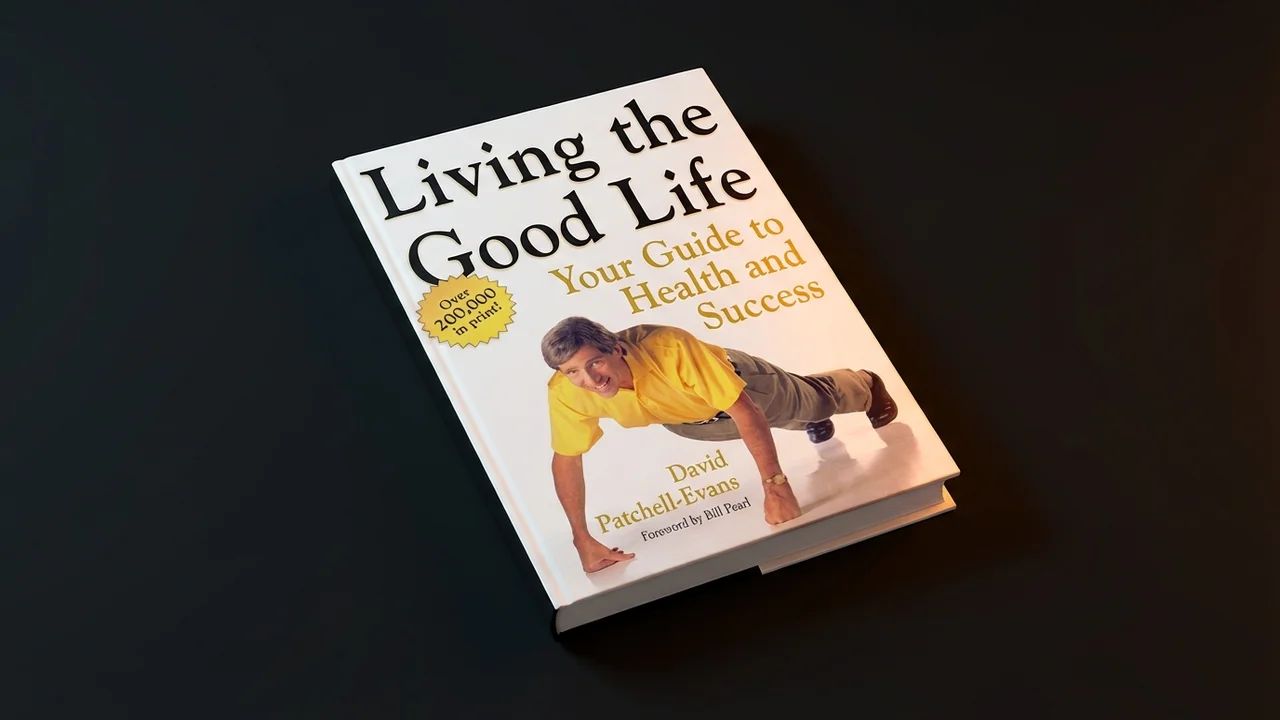
I picked this book up from a Good Life gym. Literally picked it up — it was sitting on a shelf near the front desk, and I grabbed it on my way out after a workout. No Amazon order, no recommendation from a friend. Just a guy leaving the gym with a free book in his hand.
And honestly? That’s the most fitting way to discover a book about health and fitness. Not through some algorithm or bestseller list, but in the place where the work actually happens.
The Core Message
Let me save you some time. The entire thesis of Living the Good Life boils down to one sentence: if you go to the gym on a regular basis, you will feel and perform better in life. Period.
That’s it. No fancy biohacking protocols. No intermittent fasting debate. No arguing about whether keto or paleo or carnivore is the superior diet. Just move your body consistently, and your life will improve.
You don’t need to be a super athlete to stay in shape. Just work out, run a bit, lift a bit, and you will live better. It sounds almost too simple to be worth writing a book about. But here’s the thing — simple advice that people ACTUALLY follow is infinitely more valuable than complex advice that collects dust on a bookshelf.
Why Simple Beats Complex
I’ve read hundreds of books at this point. Books on psychology, neuroscience, economics, marketing, history — you name it. And one pattern I keep noticing is that the most life-changing advice is almost always embarrassingly simple.
Meditate for ten minutes a day. Read for thirty minutes before bed. Exercise three to four times a week. Drink more water. Sleep eight hours.
None of this is revolutionary. None of it will make headlines. But the people who ACTUALLY do these things consistently? They outperform everyone around them. Not because they’re smarter or more talented, but because they built the foundation that everything else rests on.
Living the Good Life understands this. It doesn’t try to reinvent the wheel. It just reminds you that the wheel works — if you actually use it.
The Five Reasons
The book lays out five core reasons to exercise, and I want to list them here because they’re worth repeating:
- Increase your confidence and self-esteem
- Helps you sleep better
- Reduces tension and stress
- Helps you move past self-imposed limitations
- Increases your positive attitude about yourself and your life
Notice something? Not a single one of these is about aesthetics. Not one mention of six-pack abs or looking good at the beach. Every single benefit is INTERNAL — confidence, sleep, stress relief, mental breakthroughs, and a better outlook on life.
That shift in framing matters more than you think. When you exercise because you want to look a certain way, motivation is fragile. One bad mirror day and you’re done. But when you exercise because it makes you THINK better, SLEEP better, and FEEL better? That’s a reason that sustains itself.
My Personal Experience
I can confirm every single one of those five points from my own life. When I’m consistent with working out, everything else falls into place. My focus sharpens. My mood stabilizes. I sleep like a rock. I make better business decisions. I’m more patient with people. I’m more creative.
And when I fall off the wagon — which happens, because life — I can feel the difference within a week. The brain fog creeps in. Sleep gets worse. Stress piles up faster. It’s like pulling one card from the bottom of a house of cards.
The connection between physical activity and mental performance isn’t some woo-woo self-help claim. It’s biology. Exercise increases blood flow to the brain, triggers the release of endorphins and BDNF (brain-derived neurotrophic factor), and reduces cortisol. Your body was literally DESIGNED to move, and when you don’t, everything starts to malfunction.
Yes, It’s a Sales Tool
Let’s address the elephant in the room. This book is obviously a way to sell Good Life clients on further Good Life services. It’s a branded book from a gym chain. The whole thing is essentially a marketing piece designed to keep you coming back and maybe signing up for personal training or group classes.
I’m not going to pretend otherwise. As someone who has spent years in internet marketing, I can spot a content marketing play from a mile away. And this is absolutely that.
But — and this is a big but — does that make the advice wrong? Not even a little bit.
Take this book at its core message, and you have a winner. Strip away the branding, ignore the subtle upsells, and what you’re left with is genuinely solid health advice that applies to EVERYONE, whether you go to Good Life, a local gym, or just run around your neighborhood.
Some of the best marketing in the world works precisely because it delivers real value. And that’s what this book does.
Who Should Read This
If you’re already a gym regular who reads about fitness and nutrition obsessively, this book probably won’t teach you anything new. It’s not a deep dive into exercise science or advanced programming.
But if you’re someone who KNOWS they should be exercising but keeps finding excuses not to? This is a perfect starting point. It’s short, it’s practical, and it strips away all the complexity that stops people from just getting started.
Sometimes you don’t need a 400-page textbook on biomechanics. Sometimes you just need someone to tell you: get off the couch, go move your body, and watch how everything else improves. That’s exactly what Living the Good Life does.
Final Thoughts
This isn’t a life-changing literary masterpiece. It’s not going to make you rethink the nature of existence. But it delivers a clear, actionable message with zero fluff — exercise regularly, and your health, mindset, and quality of life will improve dramatically.
Excellent, and not much else I can say. The advice is relatable, applicable, and backed by real-world results that anyone who has ever committed to a consistent fitness routine can confirm.
5/5 Stars — for doing exactly what it set out to do, simply and effectively.
Thanks for reading.
— Leonidas
