After venturing in Mexico’s second largest city: Guadalajara, I returned back to my accommodations in Nuevo Vallarta, Mexico to continue working.
After a few more weeks of working, and enjoying the beach & resort lifestyle, it was time to continue venturing into the unknown of Mexico.
So I took only my backpack, and bought a $60 USD flight into the parts where most foreigners don’t go.
A road trip around an important economic and historic triangle within Mexico
Fly from Puerto Vallarta to Guadalajara, about 1 hour
Out of curiosity, I took a bus back from Guadalajara to Vallarta, 6 hours
Flight to Aguascalientes, about 1 hour, 10 minutes
Bus from Aguascalientes to San Luis Potosi, about 3 hours
Rented a car in San Luis Potosi, and drove to San Miguel De Allende, about 2.5 hours
Drove back, another 2.5 hours, in the same day
Drove to Guanajuato, about 3 hours because I took a scenic mountain detour
Guanajuato to the center of Leon was about 1 hour
Leon back to San Luis Potosi was about 2.5-3 hours of driving
Flight back to Vallarta, just a bit more than 1 hour
As a side note, I was able to rent a car from San Luis Potosi for a mere $5 USD/day. I rejected the insurance (out of confidence, and years without having an accident). Luckily, nothing happened to the car along the way 🙂
In this post, I’ll simply cover 4 of the 5 cities that I visited, with Guanajuato, Mexico being covered in an individual post later on.
A Little About Aguascalientes, Mexico
Like all of Mexico, this area was inhabited by indigenous tribes for over 20,000 years before the Spanish conquerors arrived.
From 1530 until about the mid 1700’s, the Spanish were constantly under attack by the Chichimeca tribes.
Based on Spanish strategy at the time, the entire region was fortified with 3 forts that would provide passage for the conquerors, and further efforts to annihilate the Chichimeca tribes.
By the mid 1500’s, King Filipe II of Spain ordered that someone with a lot of money create a town in the location.
As such, in 1575, Juan De Montoro was the effective man to found the city of ‘San Marcos’, which was renamed to ‘Villa of Our Lady of the Assumption of Aguas Calientes’ in 1611, and then ‘Aguas Calientes’ in 1875.
Aguascalientes translates to ‘Hot waters’ and is a reference to the abundance of hot springs outside of the city. Yet, there is not a single hot spring within the city 🙂
Flying over a hot spring in the deserts of Aguascalientes, Mexico
An example of typical rooftops in Mexico due to rapid expansionism in the 1900’s.
Many red brick houses are visible in Aguascalientes. The result of rapid growth within this city and all across Mexico.
A cook prepares a taco in Aguascalientes, Mexico
It’s a harsh life for some animals in Aguascalientes, Mexico. I thought he was just scruffy at first.
Walking into the Plaza De La Patria towards the Catedral Basilica De Nuestra Señora De La Asunción in Aguascalientes
A statue reminiscent of the fake doctors of the Black Plagues in front of the Catedral Basilica De Nuestra Señora De La Asunción
A statue of a priest in front of the Catedral Basilica De Nuestra Señora De La Asunción in Aguascalientes
A small stadium in the Plaza De La Patria in Aguascalientes
I think this is the Palacio De Gobierno in Aguascalientes
Salty snacks cart in Aguascalientes
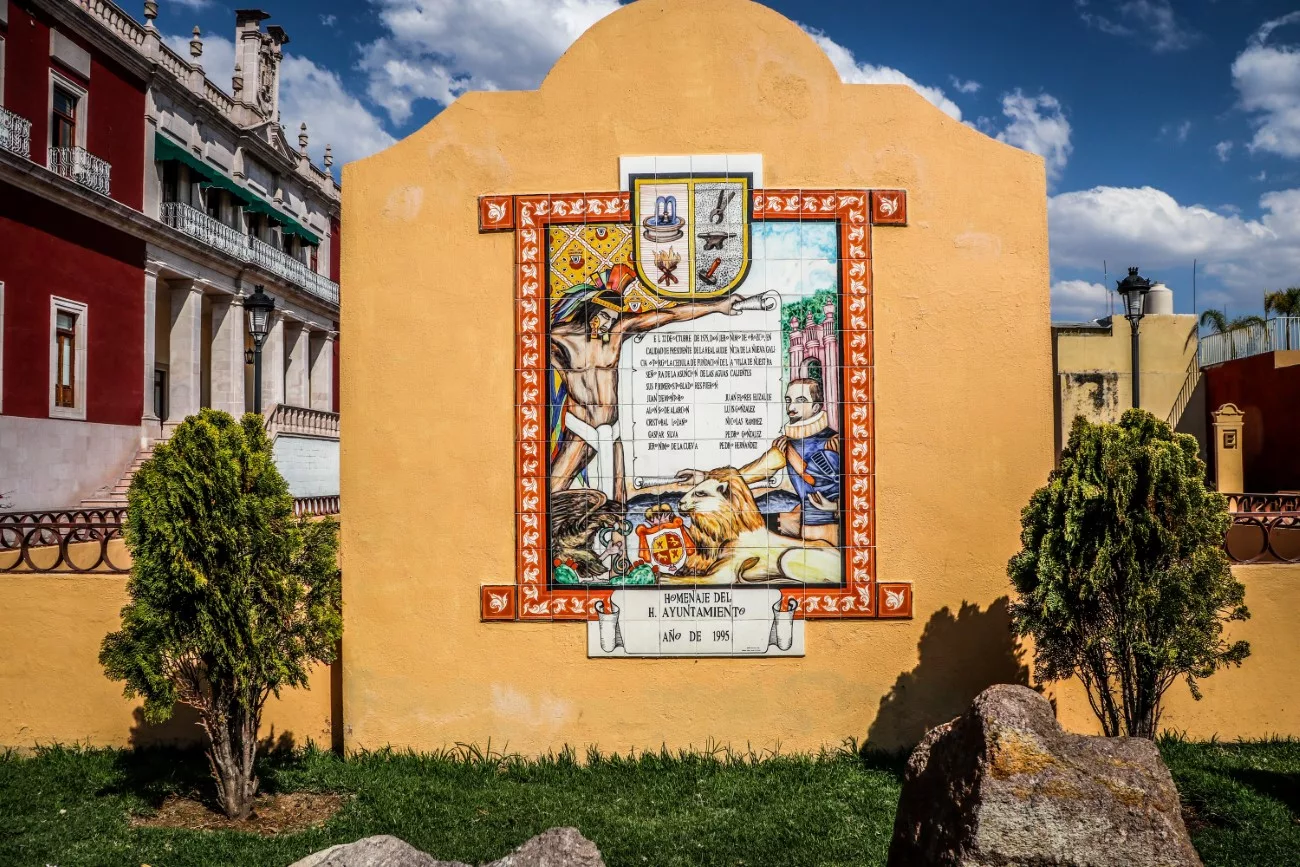
Commemorating the founding of Aguascalientes, and the subjugation of the indigenous peoples in 1575.
Walking towards the ‘Templo de San Antonio’ in Aguascalientes
Construction on the Templo de San Antonio in Aguascalientes started in 1895.
A close up of the beautiful clock and designs on the Templo de San Antonio in Aguascalientes
The main tower and dome of the Templo de San Antonio in Aguascalientes
The very empty and underused Museo De Aguascalientes
Inside the Museo De Aguascalientes looks like a palace
Classical and contemporary art and photos are shown inside the Museo De Aguascalientes
A British University (funded or simply inspired by) along the streets of Aguascalientes
The only visible section of the ‘Ortega Douglas Castle’, modeled after castles in Scotland.
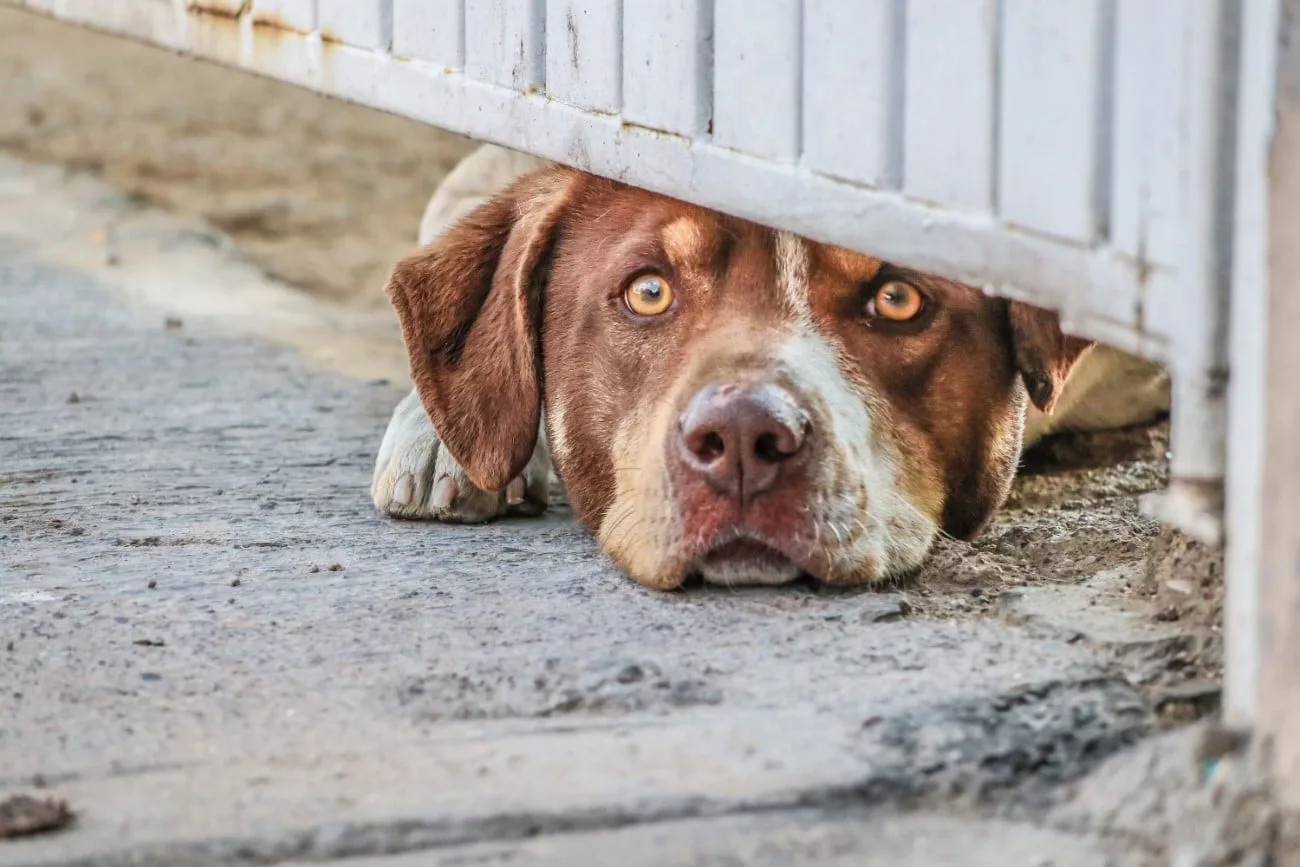
A dog keeps a lookout for things to bark at in Aguascalientes
The Old Railway station is a historic reminder of the beginnings of Aguascalientes. It’s an amazing museum of train accidents in Mexico as well.
One of the original buildings of the Old Railway station in Aguascalientes. The museum shows the evolution of the station over the last 200 years.
A walk around the park in the Old Railway station in Aguascalientes
Facing a newer version of the railway station in the Old Railway station park in Aguascalientes
One of the trains used in Mexico, a long time ago
People waiting for the bus, in front of a shop that clearly indicates we are in Aguascalientes
Church of the Immaculate Conception in Aguascalientes
A man sells fruits along the street in Aguascalientes
Shoe-shinning is an active and competitive profession in many cities across Mexico
Visas for Mexicans, with Donald Trump saying ‘Fuck’
Temple of Lord of Encino in Aguascalientes with a beautiful fountain in front
Temple of the Lord of Encino facade in Aguascalientes
Interior of the Temple of the Lord of Encino in Aguascalientes
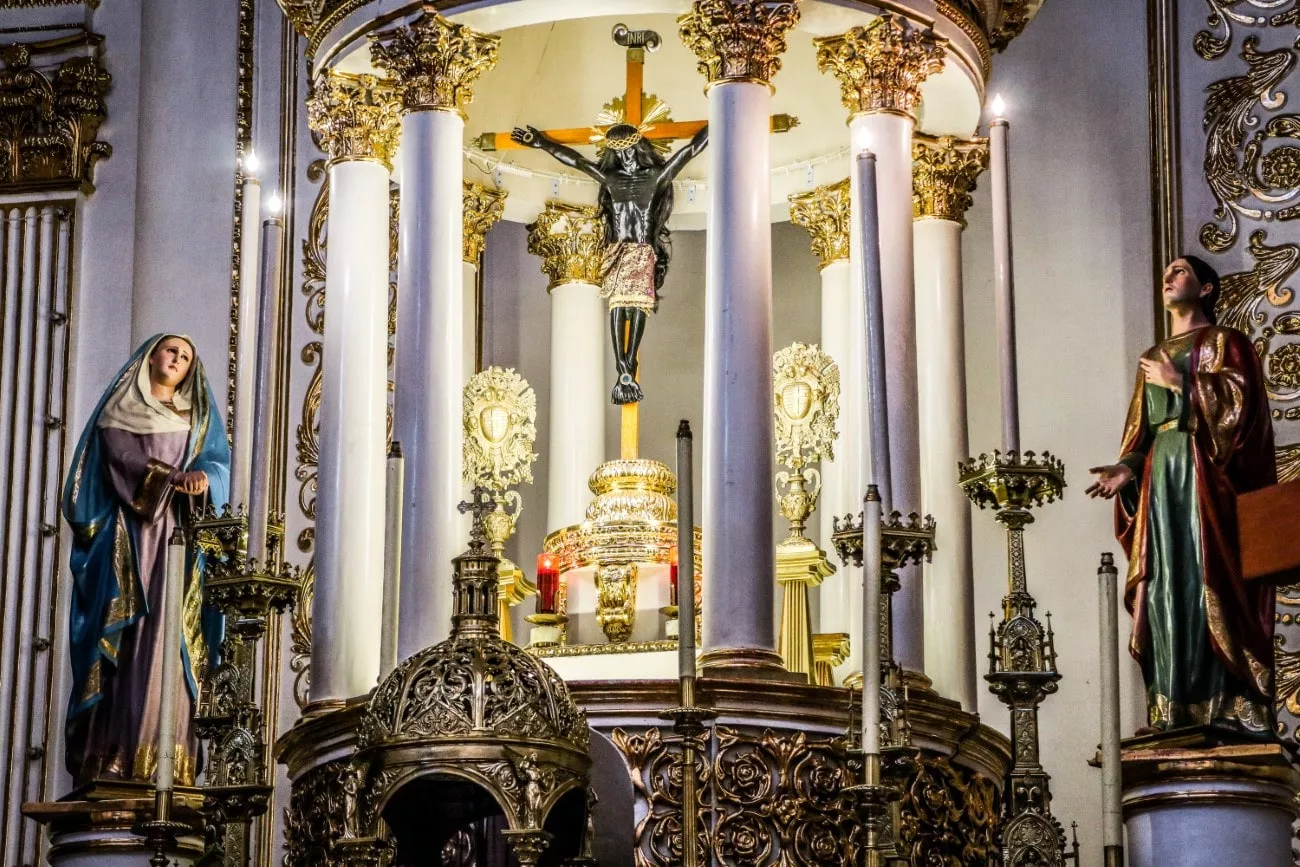
Jesus on the cross in the Temple of the Lord of Encino in Aguascalientes
A small grocery store in Aguascalientes. I liked the decaying paint on the walls, and perfectly quadratic dimensions of everything.
I only stayed in Aguascalientes for one day, finding it typical and uninteresting. Instead, the following day, I took a bus to San Luis Potosi, which had a much more old school, historic charm in the center.
For sight-seeing, I wouldn’t recommend Aguascalientes for more than a day.
San Luis Potosi
Before the Spanish came, the area where the city of San Luis Potosi now sits was dominated by the nomadic tribes of Chichimecas.
The Chichimecas is a general term for the many tribes that inhabited the region, and were constantly at war with each other, despite having a similar language, customs, and religions.
The arrival of the Spanish into the area was greeted with never-ending attacks as well, especially along the economic and religious routes of the trade caravans and missionaries, ultimately known as the Chichimeca Wars.
It wasn’t until 1589 that things had calmed down enough to build a stable settlement, and by 1593, exploitation of the vast mineral mines in the area began.
The city was named after King Louis the 9th of France (San Luis), and Potosi was added in reference to the large gold deposits found in the hills of Potosi, Bolivia.
During the second French Invasion of Mexico in 1863, Benito Juarez (The president of Mexico at the time), declared San Luis Potosi as the Republican capital (against the French Invaders).
The view from my rooftop in San Luis Potosi features the Metropolitan Cathedral of San Luis Potosí
The plaza of the Templo de Nuestra Señora del Carmen
A close up of the Templo de Nuestra Señora del Carmen in San Luis Potosi
Vendors selling balloons in San Luis Potosi
A couple restaurants around ‘Plaza Del Carmen’ in San Luis Potosi
A stylistic closeup of a street lamp in San Luis Potosi
Walking among the beautiful colonial streets of San Luis Potosi
A closeup of a tower of one of many churches in San Luis Potosi
The dome of another church in San Luis Potosi
The beautiful colonial architecture of the center of San Luis Potosi
Many streets in the center have been closed off to car traffic in San Luis Potosi
Some streets are incredibly narrow, yet still allow car traffic in San Luis Potosi’s colonial streets
A boy sells salted snacks, mixed with corn, chili, and other addons in San Luis Potosi
The Metropolitana San Luis Potosí Cathedral in the center of the city.
The colonial streets in the San Luis Potosi Center
The mini park at the heart of San Luis Potosi
A typical colonial building on the corner of the central plaza in San Luis Potosi
Walking around the center in San Luis Potosi. On the right you can see commerce has integrated itself readily into the colonial buildings without a problem
San Luis Potosi is named after Louis the IX (9th) of France, or ‘San Luis Rey De Francia’ in Spanish.
San Luis Potosi founded in 1592.
Auditorio Rafael Nieto in San Luis Potosi
The Chapel of Loreto in San Luis Potosi, built in the 1700’s for the Society of Jesuits.
One of the wealthy colonial buildings in the ‘Plaza Fundadores’ in San Luis Potosi
Walking down the streets towards another church in San Luis Potosi
The Central Christian Church in San Luis Potosi
Another beautiful shot of a church in San Luis Potosi, with a fountain in the front
A beautiful fountain in San Luis Potosi, showcasing wealth and prosperity
In the Plaza Del Carmen, facing the Teatro de La Paz, built in 1894 in San Luis Potosi
A detailed vase in Plaza Del Carmen in San Luis Potosi
Another of the many strongly red coloured churches in San Luis Potosi
Kids playing around in San Luis Potosi
Typical condiments in a Mexican restaurant. Almost everything here is extremely spicy.
A statue commemorating the police force in San Luis Potosi
A man sells fruits across the street in San Luis Potosi
The street on the right leads into the colonial central core of San Luis Potosi
Sandwiches, yogurt with fruits for sale in the markets of San Luis Potosi
A woman sells fruit from her cart in San Luis Potosi. This is one of my most favorite aspects about Mexico. These are available almost everywhere.
A regular intersection in Mexico. Daily life.
If you are a fast walker like myself, you will most likely be able to see most of San Luis Potosi city within a day as well.
Relative to Aguascalientes, San Luis Potosi is a much more charming colonial city, with a consistent historical feel to it.
I stayed in San Luis Potosi for a total of 3 days (2 initially, and then one extra day when I returned from Guanajuato).
San Miguel De Allende
Similar to San Luis Potosi, the real draw to visiting San Miguel De Allende is its well-preserved historic center, and its interesting architecture and colours.
Prior to the arrival of the Spanish conquistadors, this area was called ‘Izcuinapan’ (place of dogs).
By the mid 1500’s, a small chapel was built in honor of Archangel Michael, and thus the area was named ‘San Miguel’.
From 1540 to 1590, this area was generally involved in the Chichimeca Wars of the Spanish and the Indigenous tribes.
The Chichimecas fought aggressively because the Spanish enslaved all men, women and children to work the rich silver mines.
Despite the constant onslaught of attacks from indigenous tribes, roads were built to connect the region with San Luis Potosi, Guanajuato and other mining colonies in the area.
By 1826, the city was renamed from San Miguel el Grande or San Miguel Los Chichimecas, to San Miguel De Allende.
The renaming was in honor of General Ignacio Allende, who helped the armies of Mexico defeat the Spanish Empire during the war of Independence.
Eventually, the city went into decline into the 1930’s due to a loss of agricultural significance, and a decreasing population.
But by the 1960’s, thanks to a large influx of American military students, and general word of mouth, San Miguel De Allende grew itself into a prosperous tourism hub.
The wild lands of the hot deserts of Mexico, reminiscent of the Wild West films. Desert, sand, interspersed with bright green cacti. On the way to San Miguel De Allende
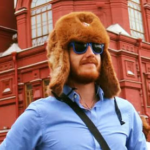
Leonidas taking his newly rented car for a road trip in Mexico, on the way to San Miguel De Allende
Where I parked my car in Mexico, on the way to San Miguel De Allende
Almost every 3rd world country features a lush ecosystem of cabling, that would confuse almost anyone. Birds sitting on your TV and internet cables.
A typical fruit and vegetable store in Mexico.
‘No soup for you!’ (A reference to the soup nazi from Seinfeld). A woman selling fruits in San Miguel De Allende
Walking into the core of San Miguel De Allende
A woman sells arts and crafts to tourists in San Miguel De Allende
Parish of San Miguel Arcángel. The ‘Grand, neo-Gothic 17th-century church known for its soaring pink spires & lofty, ornate sanctuary’ – in San Miguel De Allende
Parish of San Miguel Arcángel. The ‘Grand, neo-Gothic 17th-century church known for its soaring pink spires & lofty, ornate sanctuary’ – in San Miguel De Allende
The interior of the Parish of San Miguel Arcángel
Facing the Parroquia de San Miguel Arcángel from the Parque Allende
A tourist absorbs San Miguel De Allende through his photography
A woman poses with a donkey and colonial-era ‘revolutionary’ Mexican for a photoshoot
‘Keep calm, you’re on the fun side of Trump’s Wall’ T-shirt
The colourful colonial streets of San Miguel De Allende
Red and white church dome, with a blue sky and lush green vegetation in San Miguel De Allende
Paths to not get lost in San Miguel De Allende, along with new constructions on the hills
Seems like every building in San Miguel De Allende is selectively coloured, to contrast with its neighbors.
Children pose in front of traditional Mexican costumes in San Miguel De Allende
A man pretends to play a trumpet in San Miguel De Allende for money
The bright red tower of the Templo de San Francisco in San Miguel De Allende
The Antiguo Convento De San Antonio is on the right in San Miguel De Allende
A tram bus, potentially full of tourists, traverses the central streets of San Miguel De Allende
A Mexican pigeon takes a birdbath in San Miguel De Allende Park
The bright yellow towers of the ‘Church of the Immaculate Conception’ or ‘Templo de la Purísima Concepción’ in San Miguel De Allende
Volkswagen Beetles were extremely popular cars in Mexico. This one is modified as an art piece
The colourful streets of San Miguel De Allende
The placement of this bridge on top of regular roads is strikingly similar to Italian architecture in Venice and Florence
Another angle of the ‘Templo de la Purísima Concepción’ in San Miguel De Allende
A small traffic jam in San Miguel De Allende. Traffic rules here are ‘developing world’ style, where you can stop almost anywhere, and actively create traffic jams.
Decorations in the streets of San Miguel De Allende
The Volkswagen Beetle was introduced in 1954 in Mexico. It was the most popular car ever produced and purchased in Mexico
A hilltop view of the city of San Miguel De Allende with a miniaturization filter
A hilltop view of the city of San Miguel De Allende, closeup of the primary churches
A hilltop view of the city of San Miguel De Allende, a broader closeup of the city center
A hilltop view of the city of San Miguel De Allende. Bright green trees intersperse the colourful houses, in an almost tropical way.
A hilltop view of the city of San Miguel De Allende sunset coming down.
Pickup truck culture is very popular among the farming/ranch societies of Mexico. I ran into a festival for the thousands of ranchers who work the farms, horses, and other things outside the major cities in Mexico.
After San Miguel De Allende, I returned to San Luis Potosi for one night, because I wasn’t sure where my next destination would be.
The following day, I drove to Guanajuato City and stayed there for 2 days and nights, before heading over to Leon.
Guanajuato City will be included in a future album, because it was one of the most amazingly designed cities in Mexico.
León, Guanajuato, Mexico
Just like the last 3 cities on our adventure, this area was also occupied by various indigenous tribes, which are aggregated as ‘Chichimecas’.
The Spanish came, and all out war occurred for about 50 years due to Spanish tyranny.
Ultimately, the tribes were annihilated and assimilated.
Leon was involved within every Mexican revolution, including the Chichimeca War, the war of Independence, the War of Reform, and the French Intervention.
Leon was simply a curiosity for me, because I had heard of it while in Toronto, Canada. Furthermore, it was only about 1.5 hours away from Guanajuato, Mexico by car, so I decided to take a short drive into the city center.
Ultimately, the city center provides about 1-2 hours of historical sightseeing (from what I saw), and is defined in a narrow corridor of streets, along with the 2 usual plazas.
The ‘Templo Expiatorio Diocesano del Sagrado Corazón de Jesús’ or ‘Diocesan Expiatory Temple of the Sacred Heart of Jesus’ in León, Mexico
‘Built from 1921–2013, this neo-gothic church offers a light-filled sanctuary & catacombs.’
The front facade of the Templo Expiatorio Diocesano del Sagrado Corazón de Jesús in Leon, Mexico
The large detailed circle, which is covered in coloured panes of the Templo Expiatorio Diocesano del Sagrado Corazón de Jesús
The interior of the Templo Expiatorio Diocesano del Sagrado Corazón de Jesús in Leon, Mexico
Jesus doing what he does best, hanging out in Leon
The side facades of the Templo Expiatorio Diocesano del Sagrado Corazón de Jesús in Leon, Mexico
The older Metropolitan Cathedral of Leon Guanajuato
The front facades of the Metropolitan Cathedral of Leon Guanajuato
Exploring the downtown streets of Leon, Mexico
The fancy interior of the Metropolitan Cathedral of Leon Guanajuato
The interior of the Metropolitan Cathedral of Leon Guanajuato in portrait view
The ‘pulpit’ of the Metropolitan Cathedral of Leon Guanajuato
Praying in a smaller section of the Metropolitan Cathedral of Leon Guanajuato
A bust of one of the old popes of the Vatican in Metropolitan Cathedral of Leon Guanajuato
Another pope adorns the Metropolitan Cathedral of Leon Guanajuato
Jesus carrying his usual cross while romans mock and hit him with things
The ‘Plaza Fundadores’ in Leon, Mexico
Another shot of the Plaza Fundadores in Leon, Mexico
A bust of Miguel Hidalgo Y Costilla in Leon, one of the most famous Mexican revolutionaries.
A street lamp mimics the shape of church towers in Leon, Mexico
Residents relax in Plaza Principal in Leon, Mexico
The town hall in Leon, Mexico
A woman sells books and magazines from her shop in Leon, Mexico
A church tower contrasted with the lush green trees of the Plaza Principal in Leon, Mexico
Colonial architecture in Leon, Mexico next to the Plaza Principal
Conclusion
If you have the time, money, and willpower to do this kind of road trip, I highly recommend visiting San Luis Potosi, Guanajuato, and San Miguel De Allende.
Since 2010, Leonidas has been an incredible Web Developer, and amazing Digital Marketer. He is the author of various exciting case studies in digital marketing, most notably in Pay Per Call Marketing.
Make sure to read the case studies to make your life so much better!