

“We no longer knew whether we were in heaven or on earth.”
How much do you actually know about the Byzantine Empire? If you’re anything like me, the answer before reading this book was: not much. We all learn about Rome — the gladiators, the Senate, Julius Caesar, the fall. But what happened AFTER Rome fell? That’s where Lost to the West picks up, and it’s a story that deserves way more attention than it gets.
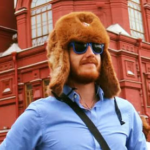
I was listening to this extensively while in Ankara and Antalya, Turkey — while traversing the ruins of the ancient Greek and Roman empires, it felt like I could understand their lives just a bit better with this audiobook. Walking through those ancient stones with Brownworth narrating in my ears was one of those perfect book-and-location combos that just clicks.
A Thousand Years in One Book
Lars Brownworth covers roughly a thousand years of Byzantine history — from the founding of Constantinople by Emperor Constantine in 330 AD all the way to its fall to the Ottoman Turks in 1453. That’s an INSANE amount of ground to cover, and honestly, Brownworth does a remarkable job keeping it engaging.
The book reads more like a collection of dramatic stories than a dry history textbook. Each chapter focuses on a key emperor or turning point, and Brownworth gives you just enough context to understand why it mattered without drowning you in dates and names.
And trust me — the characters in Byzantine history are wilder than anything Hollywood could dream up. Poisonings, palace coups, blinding rivals, generals stabbing each other in the back (sometimes literally). Game of Thrones has nothing on the actual Byzantine court.
Justinian and Theodora — The Ultimate Power Couple
The section on Emperor Justinian and Empress Theodora was probably my favorite part of the entire book. Here you have a guy who rose from peasant origins to become one of the most powerful rulers in history. And his wife, Theodora? She came from even humbler beginnings — a former actress and entertainer in an era when that was basically the lowest social class.
Together, they rebuilt the Hagia Sophia (which I’ve seen in person in Istanbul — absolutely jaw-dropping), reconquered huge chunks of the old Roman Empire, and codified Roman law in a way that STILL influences legal systems today. The Justinian Code is essentially the foundation of civil law in much of Europe.
But what really stood out to me was Theodora’s role during the Nika Riots. The city was burning, Justinian was ready to flee, and Theodora basically told him to grow a spine and fight. That moment changed the course of history. One person’s refusal to run saved an empire.
The Slow Decline
What makes Byzantine history so fascinating — and honestly, a bit tragic — is watching this empire slowly lose ground over centuries. It wasn’t one catastrophic event that killed it. It was death by a thousand cuts. The Arabs took the eastern provinces. The Seljuk Turks carved up Anatolia. The Crusaders — who were supposed to be ALLIES — sacked Constantinople in 1204 and looted it to the bone.
That last one really got to me. Christian Crusaders destroying the greatest Christian city in the world. The irony is almost too much. You can still see the stolen bronze horses from Constantinople sitting on top of St. Mark’s Basilica in Venice today — a permanent reminder of that betrayal. Brownworth doesn’t shy away from showing how the West’s greed and short-sightedness contributed to Byzantium’s downfall.
By the time the Ottoman Turks finally took Constantinople in 1453, the empire was a shadow of its former self. The city that once held a million people had shrunk to maybe 50,000. It’s heartbreaking when you think about it.
History Repeats Itself
It’s always great to hear and read about histories of empires from a more dense and complex narrative, as opposed to a paragraph in some book or a 10-minute video on YouTube. Life was just as complex in the past as it is now, and retrospectively seeing their mistakes is a mistake in itself, since we need to evaluate history from an “as it happened” reality to the people, who themselves could not predict their fates or the ultimate fate of their empire.
That’s the lesson I keep coming back to. We look at the Byzantines and think, “How did they not see it coming?” But they were dealing with the same messy, unpredictable reality we deal with today. Political infighting, economic pressures, external threats, alliances that fall apart — sound familiar?
Empires don’t collapse because the people living in them are stupid. They collapse because the problems compound faster than anyone can solve them. And the people at the top are usually too busy fighting each other to notice the walls crumbling around them.
Brownworth’s Style
One thing I really appreciated about this book is Brownworth’s storytelling ability. This dude started as a podcast host — his 12 Byzantine Rulers podcast was one of the first history podcasts ever — and you can tell he knows how to hold an audience. The writing is accessible, fast-paced, and never boring.
The only downside? Because he’s covering a THOUSAND years, some emperors and periods get barely a mention while others get full chapters. It’s unavoidable given the scope, but there were moments where I wanted him to slow down and dig deeper.
Final Thoughts
If you have any interest in history, empires, or understanding how civilizations rise and fall, Lost to the West is a fantastic starting point for Byzantine history. It won’t make you an expert, but it’ll give you a solid foundation and — more importantly — it’ll make you want to learn more.
I especially recommend the audiobook if you’re traveling through Turkey or Greece. There’s something incredibly powerful about learning history while standing in the places where it actually happened. It transforms the experience from passive reading into something visceral and real.
4/5 — a great introduction to one of history’s most overlooked empires.
Thanks for reading.
— Leonidas
