

Porto gave Portugal its name. Literally. The Romans called this settlement “Portus Cale” and over a few centuries that became “Portugal.” It’s the country’s second-largest city (about 215,000 in the core, 1.7 million in the metro), and locals will happily argue it’s better than Lisbon.
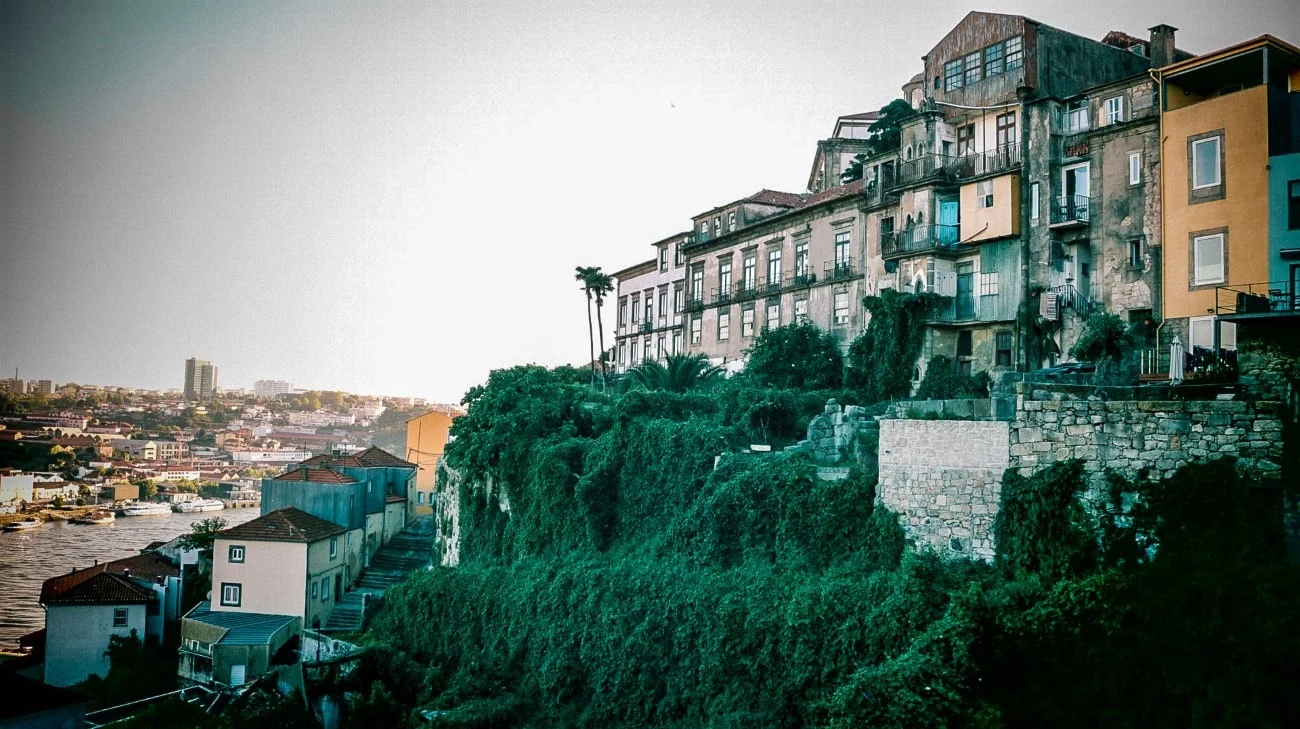
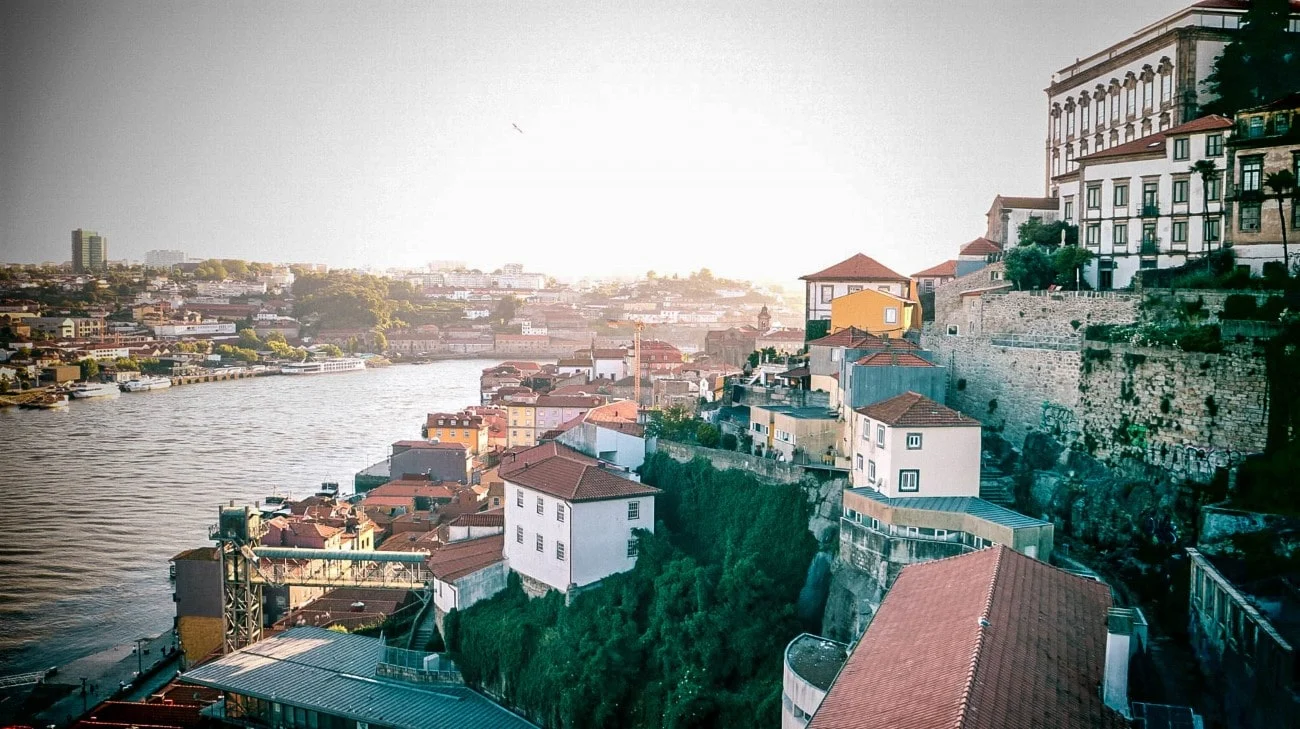
I took the train up from Lisbon and within minutes understood why people love this place. The city is built into steep granite cliffs on both sides of the Douro River, every surface covered in colorful tiles, and the entire historic center has been a UNESCO World Heritage Site since 1996. Porto is also the birthplace of Port wine, though the cellars are technically across the river in Vila Nova de Gaia (a detail Porto residents pretend doesn’t exist).
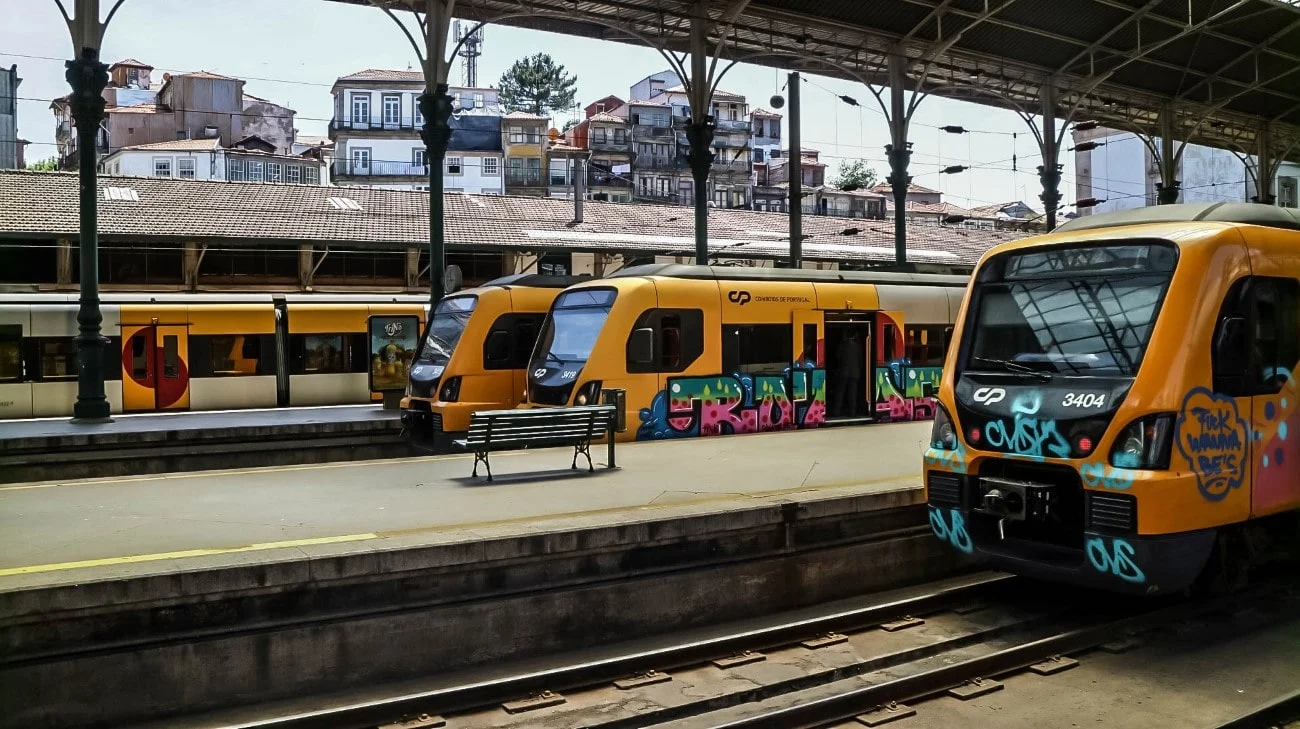
Arriving by Train
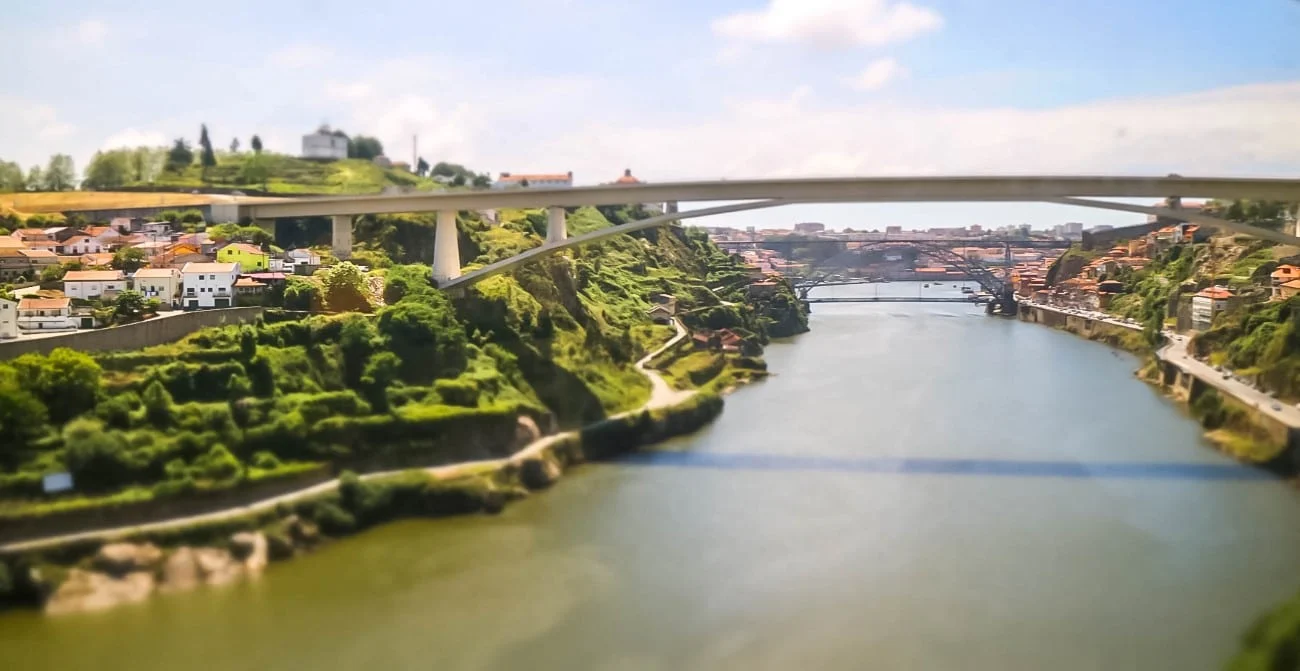
The train from Lisbon to Porto takes about 3 hours and the arrival is one of the most scenic in Europe. You cross the Douro River gorge on a bridge hundreds of feet above the water, with the entire city stacked up on the cliffs ahead. Campanhã station is where you land, Porto’s main railway hub since 1877.

Streets, Tiles & Churches
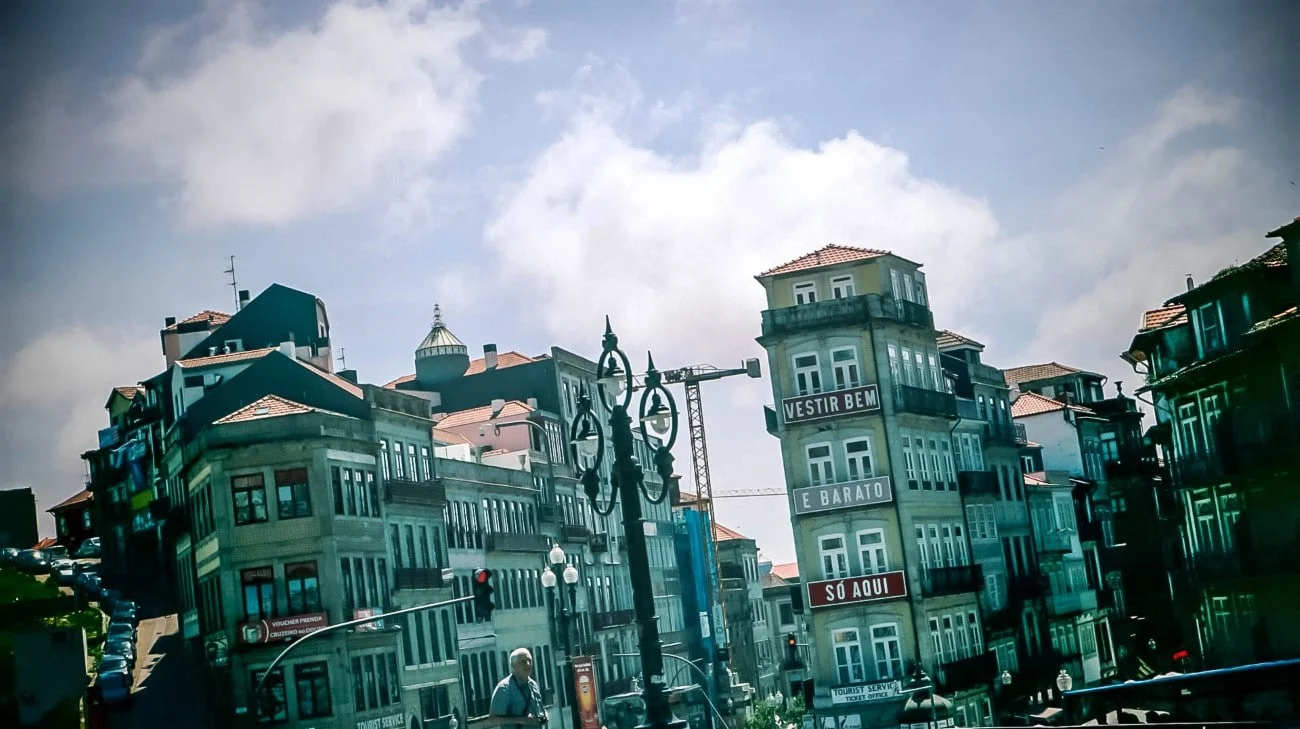
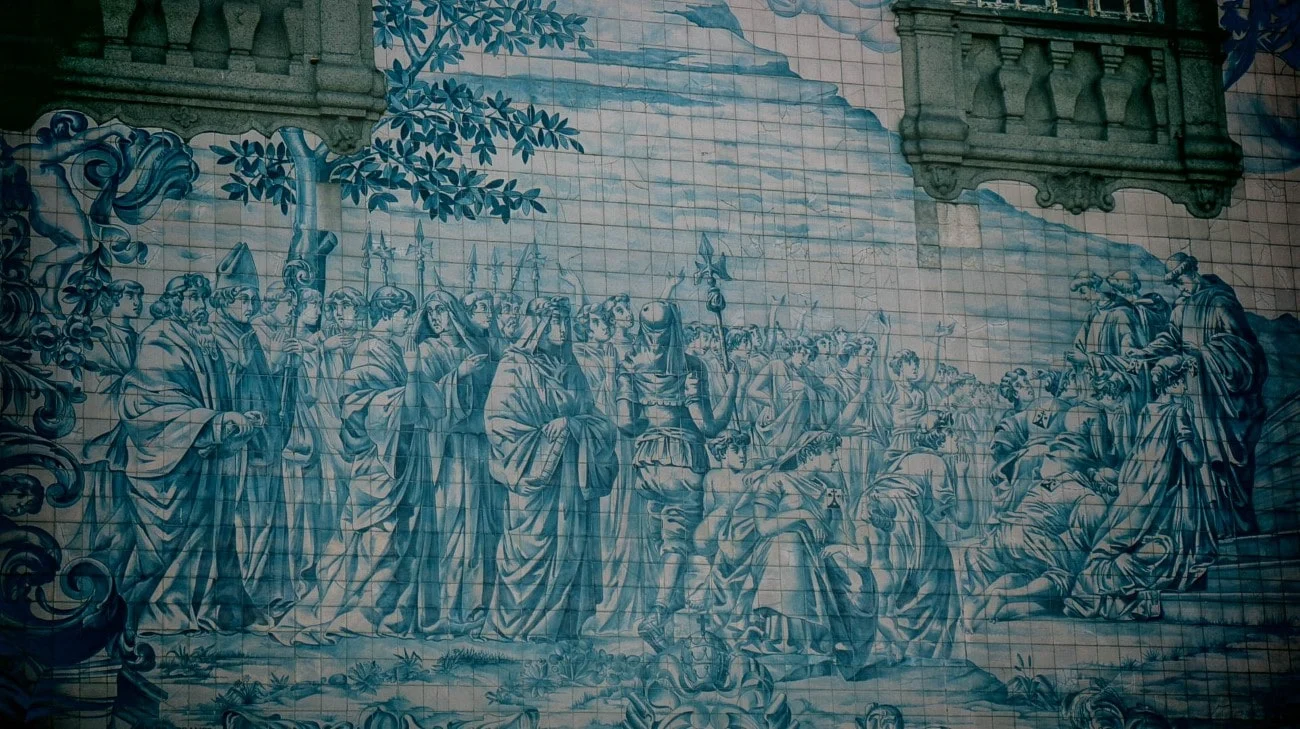
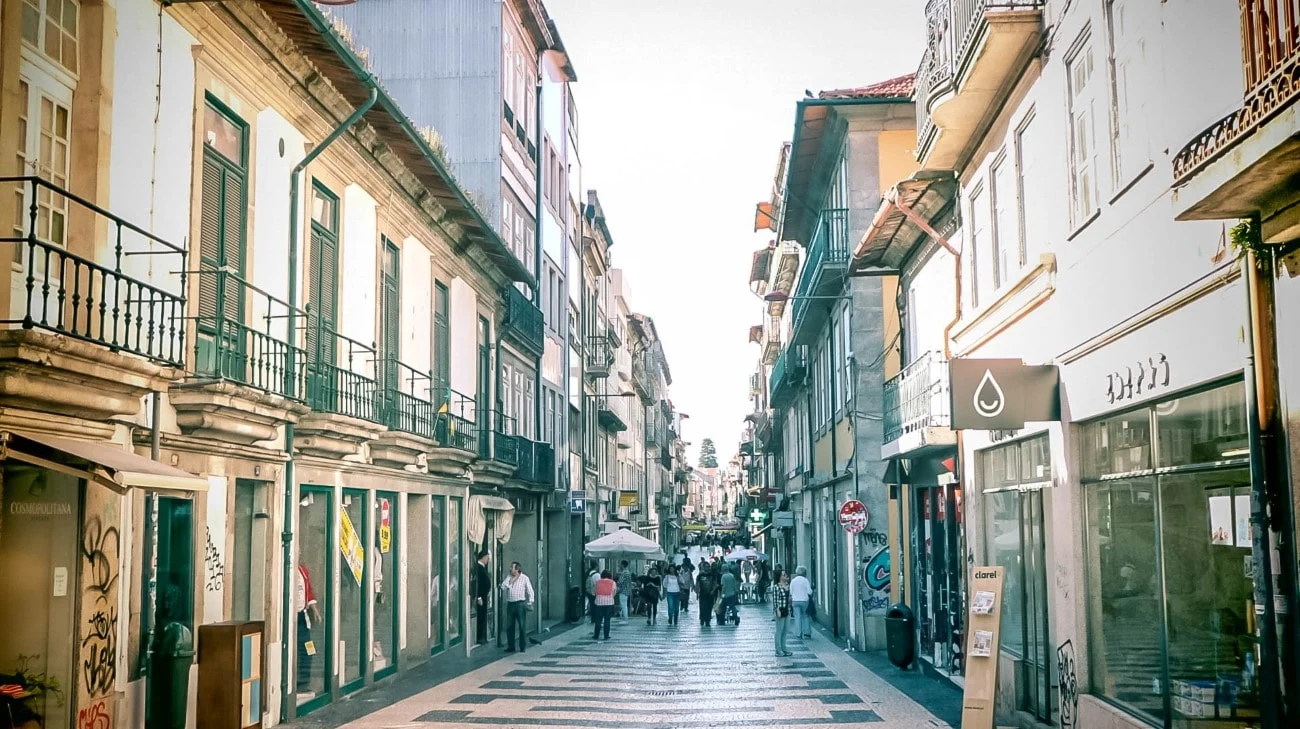
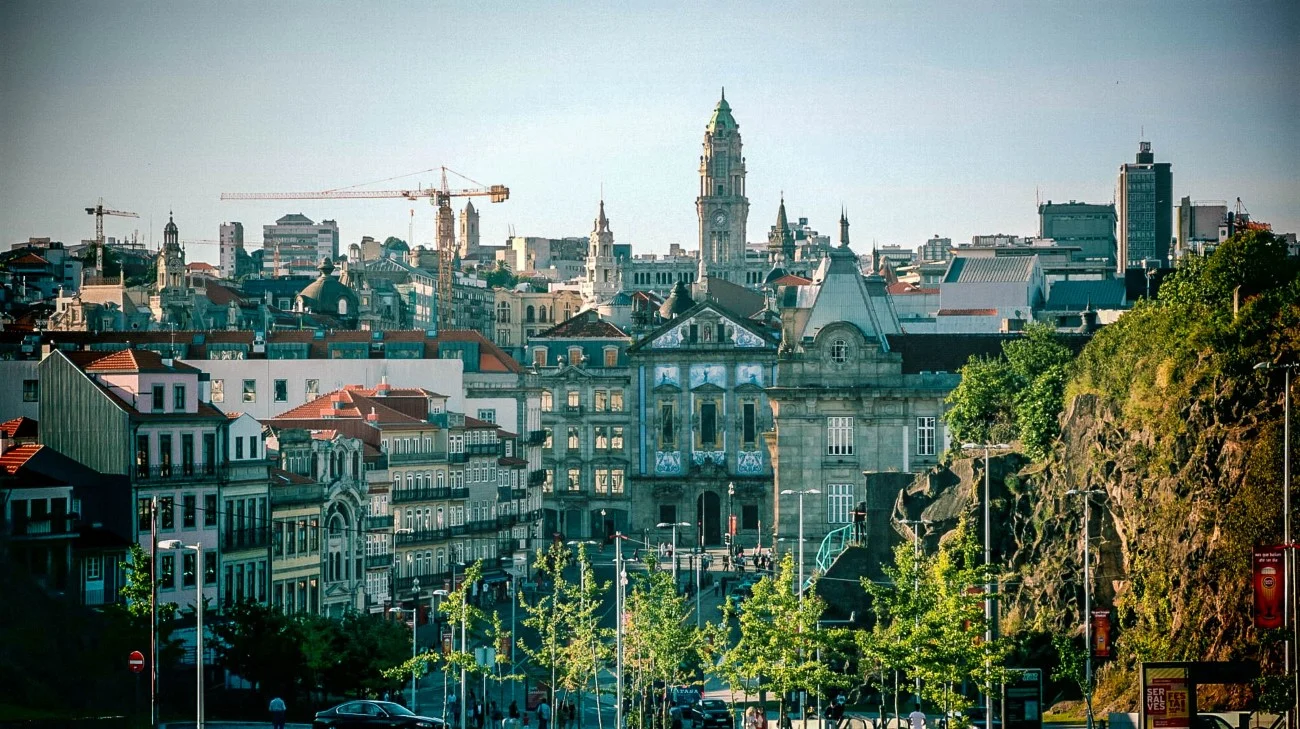
Walking through downtown Porto is like being inside an outdoor museum of Portuguese decorative arts. Nearly every building is covered in azulejo tiles, the hand-painted blue-and-white ceramics that have been a national obsession since the 15th century (they got the technique from the Moors). The Capela das Almas on Rua de Santa Catarina is covered in roughly 16,000 tiles installed in 1929. Igreja do Carmo has the largest azulejo panel on any single church wall in Portugal.
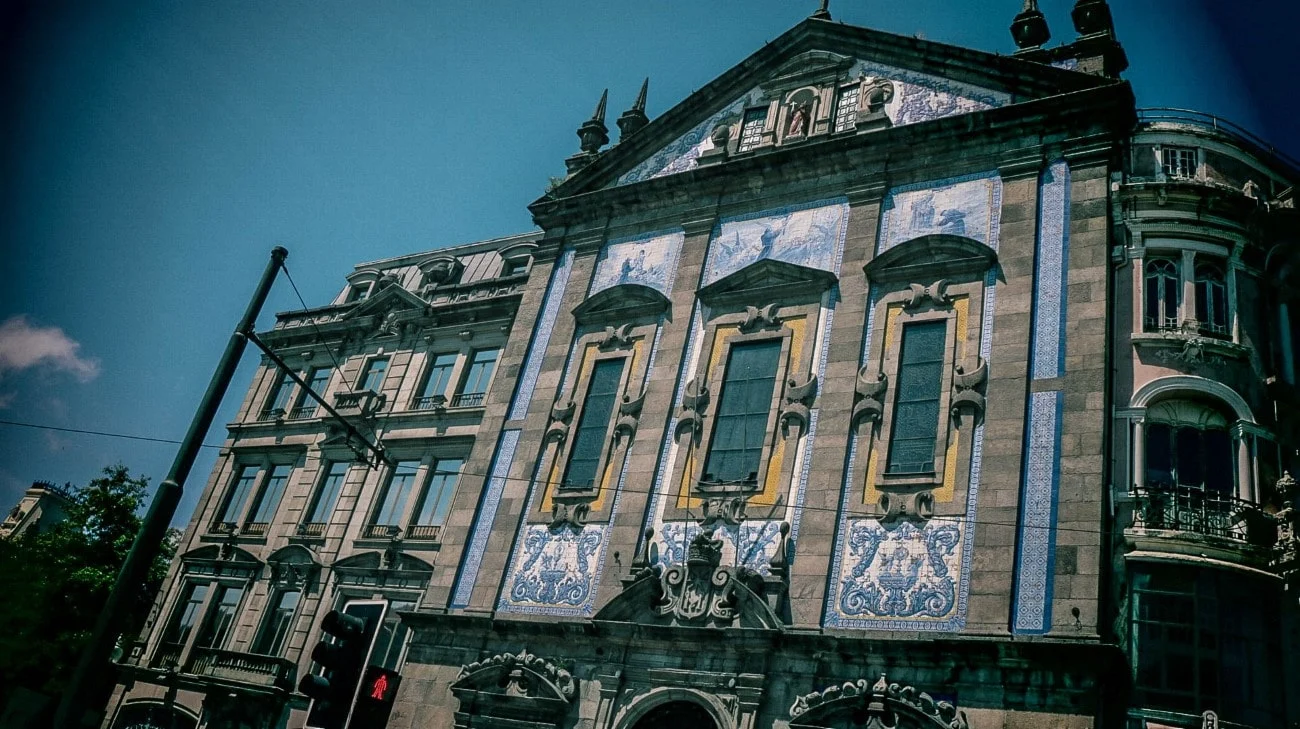
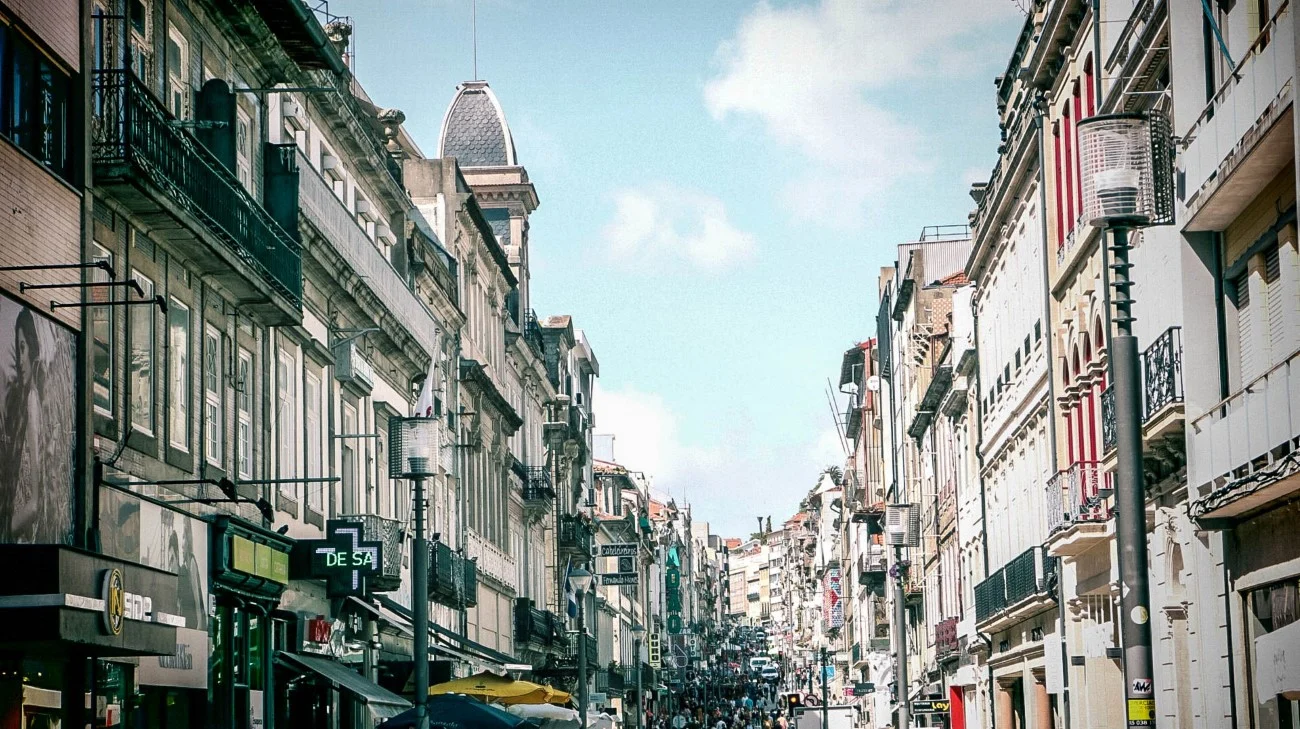
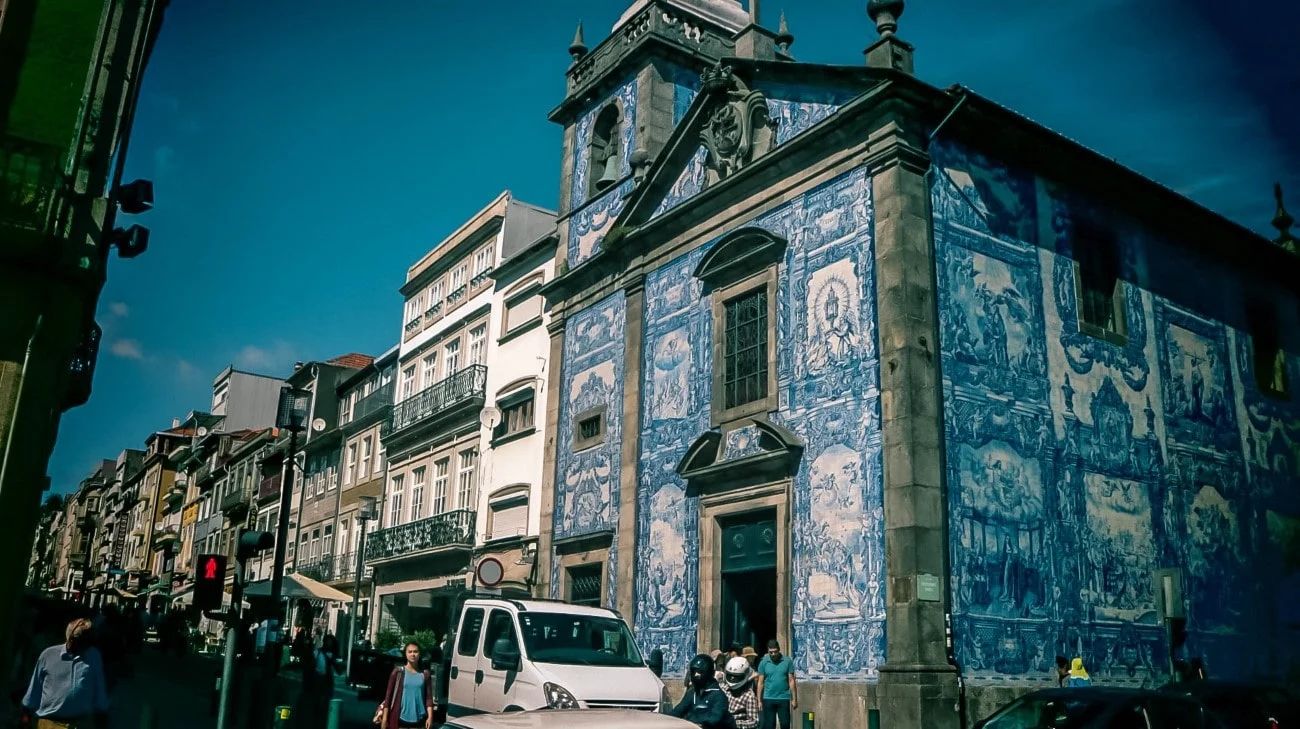
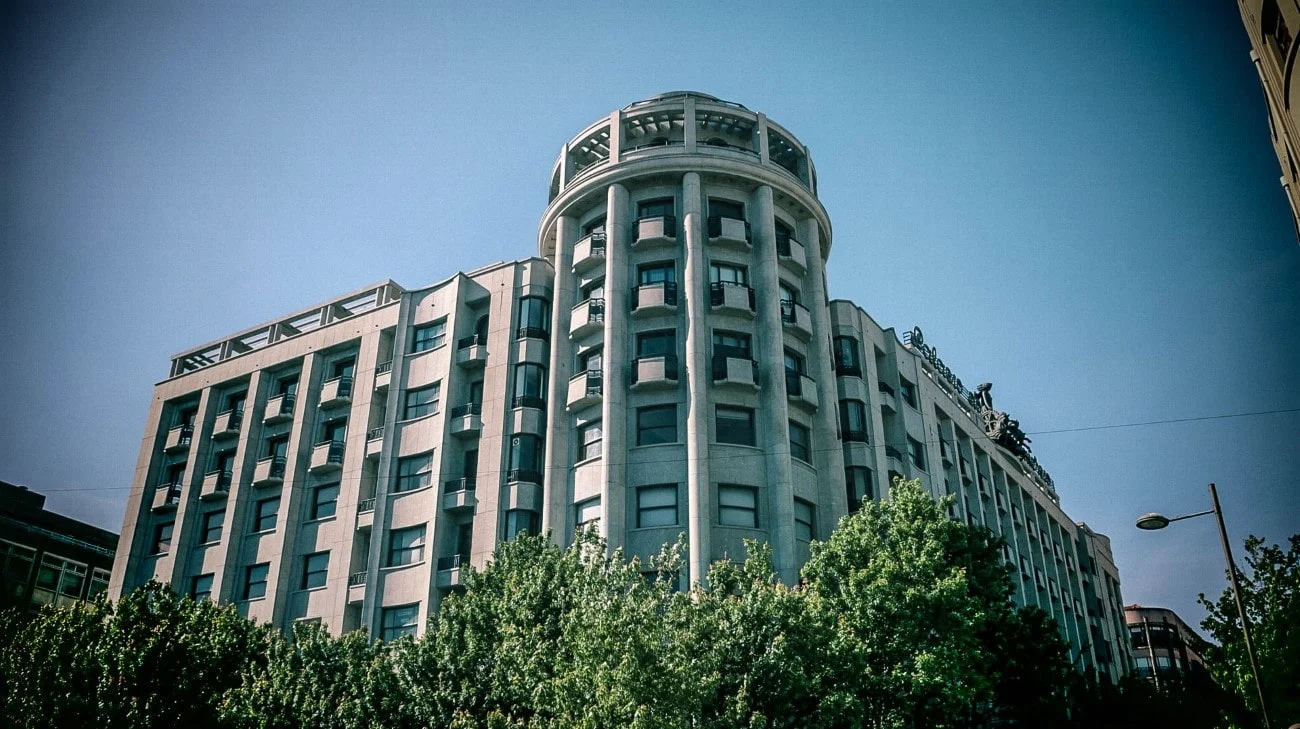
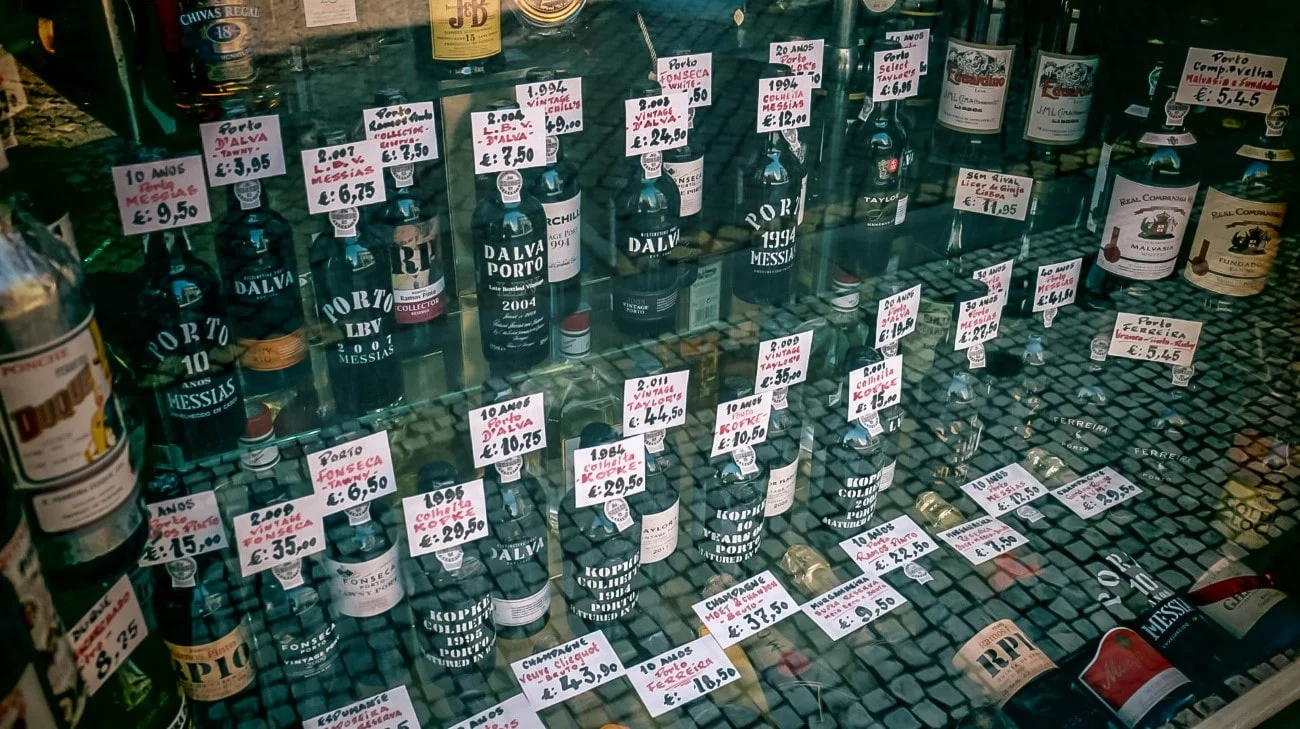
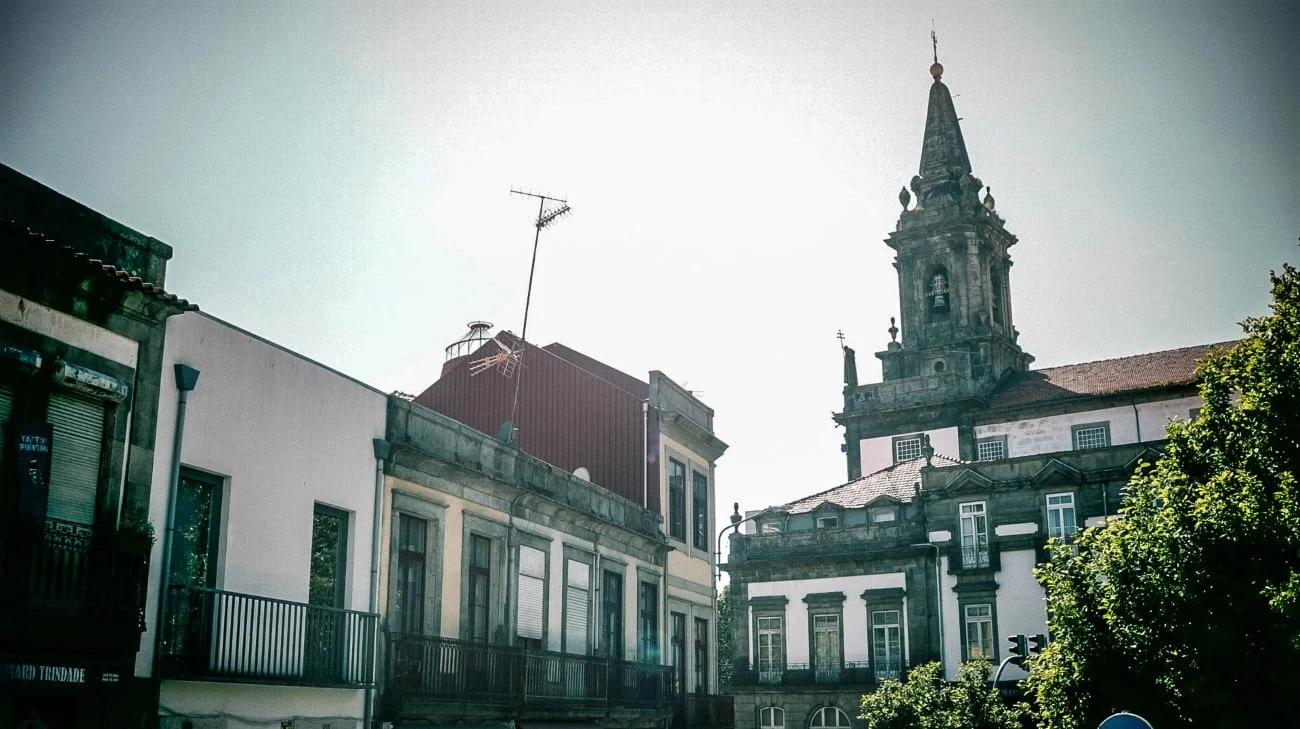
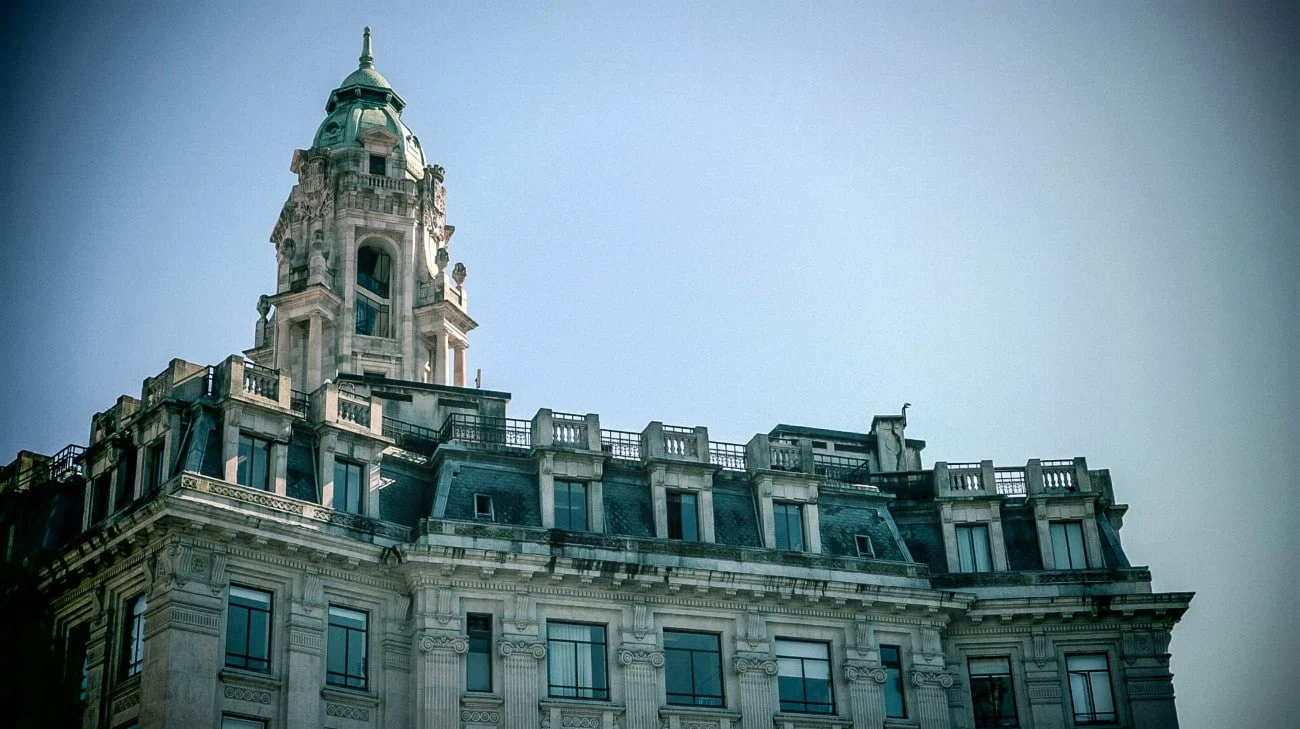
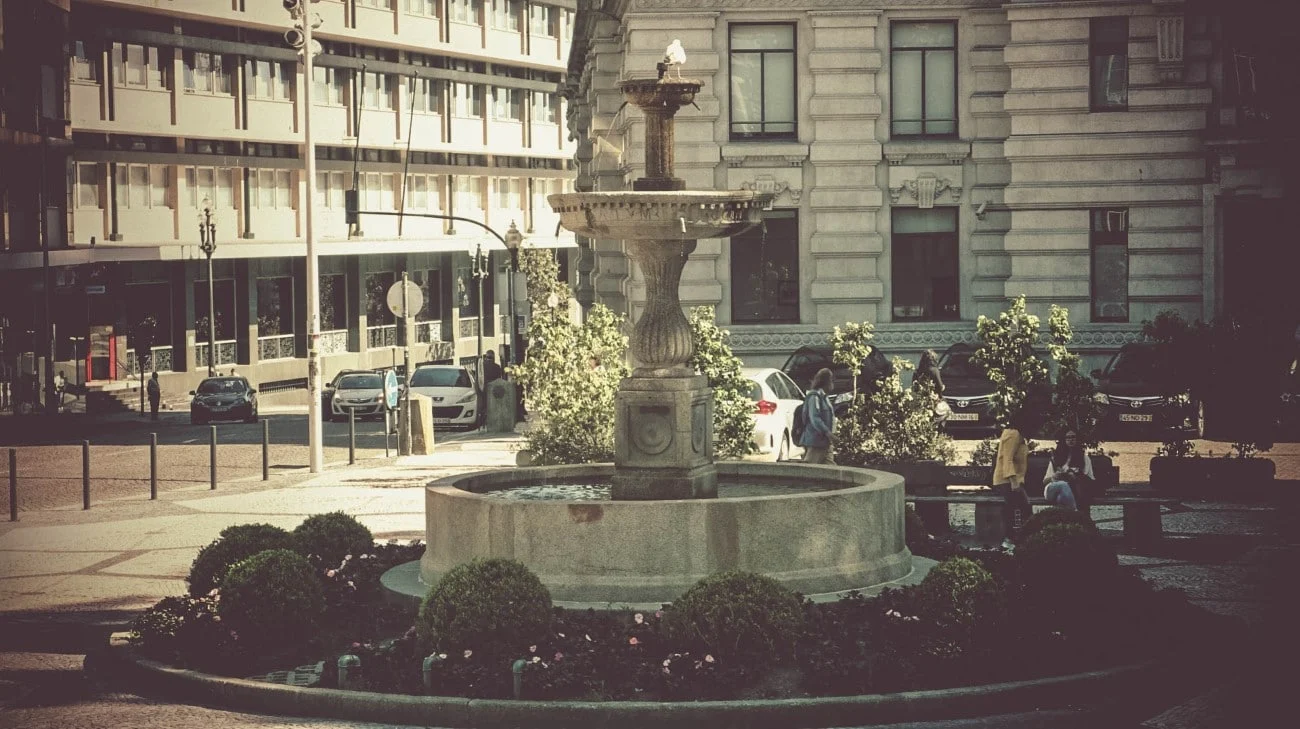
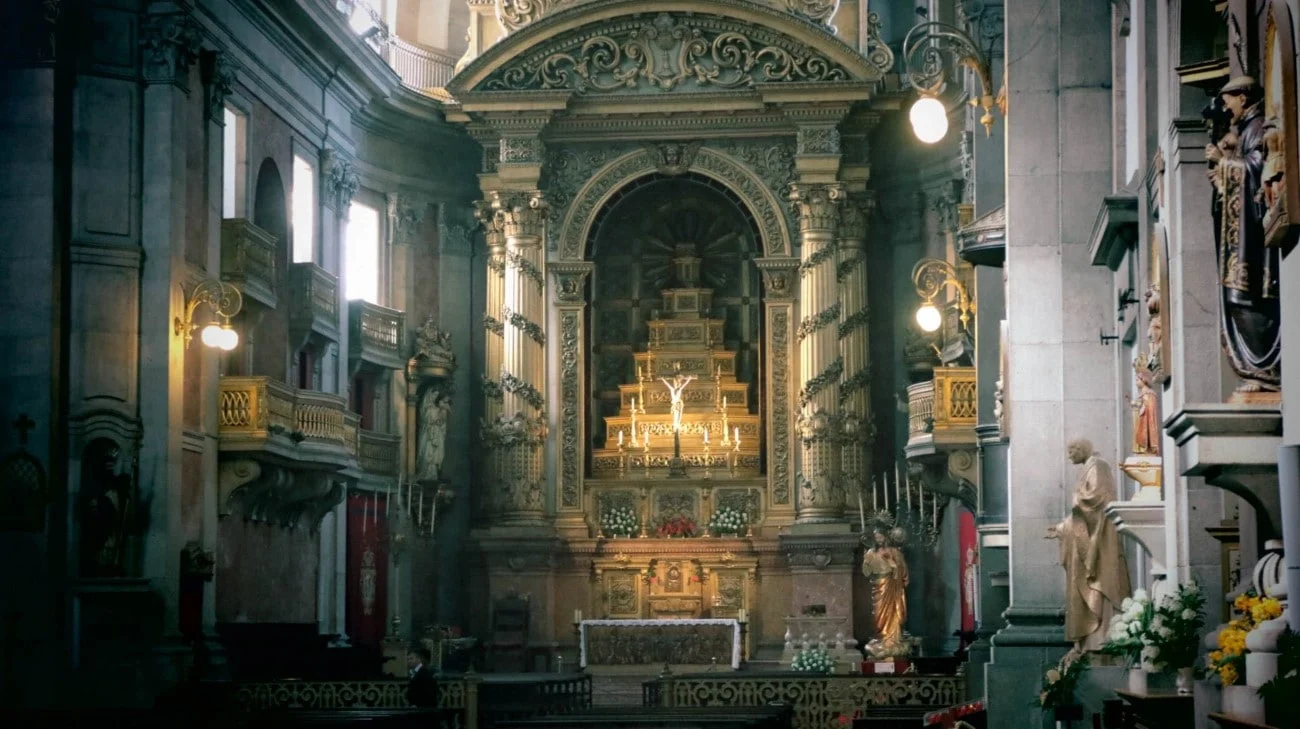
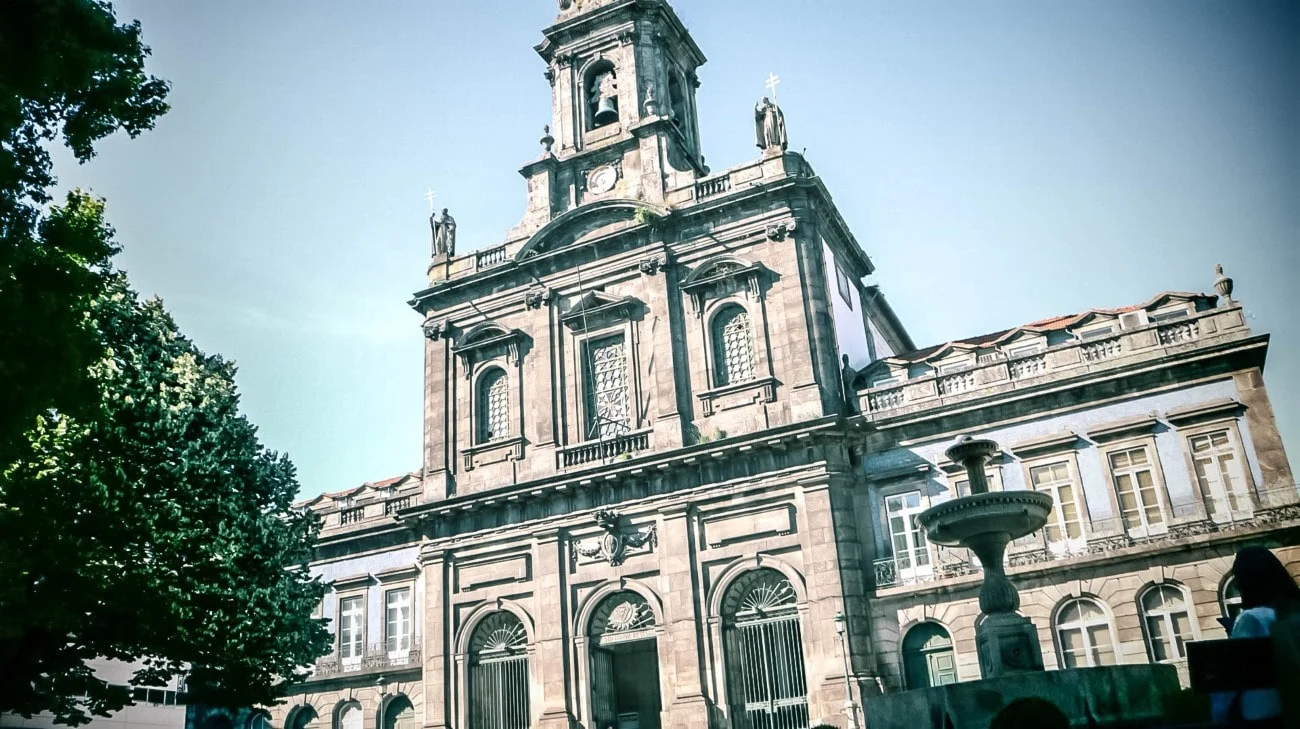
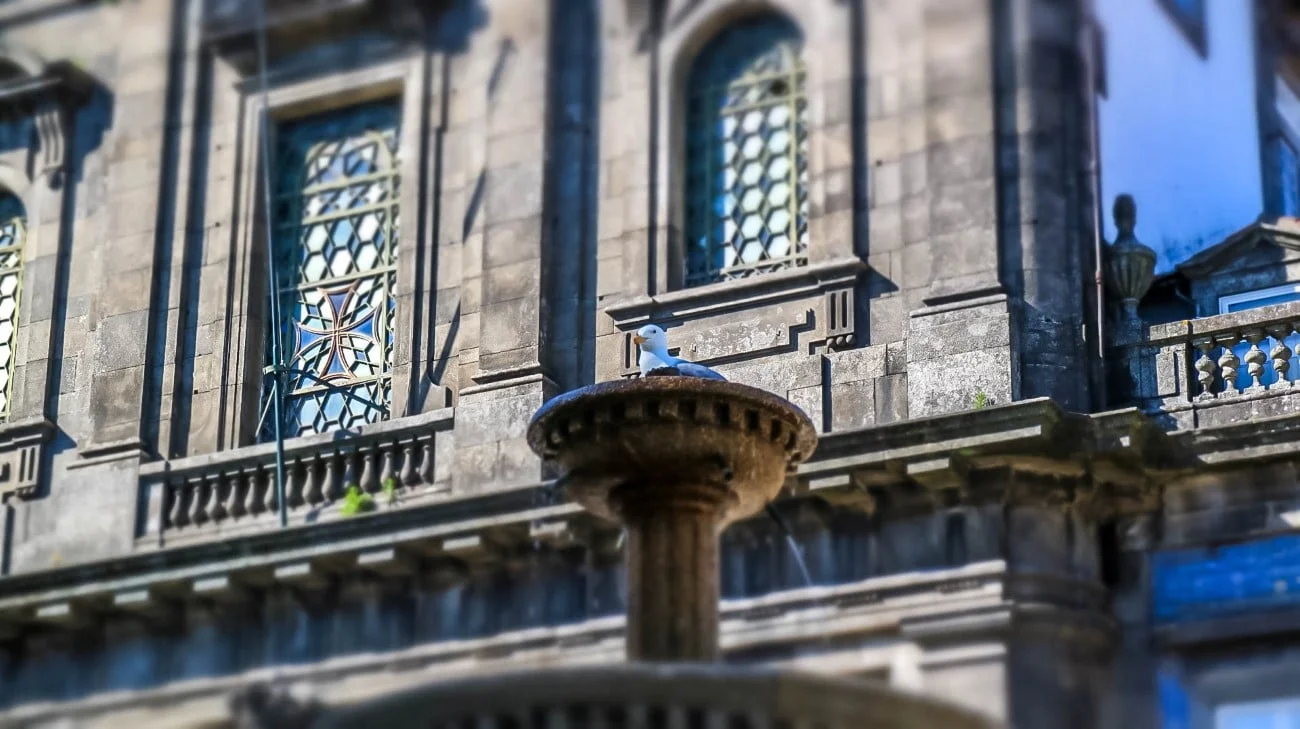
Port wine shops are everywhere. The fortified wine has been produced in the Douro Valley since 1756, making it the world’s first officially regulated wine region. A bottle of decent tawny Port runs about $10-15, which is one of many reasons Porto is cheaper than Lisbon.
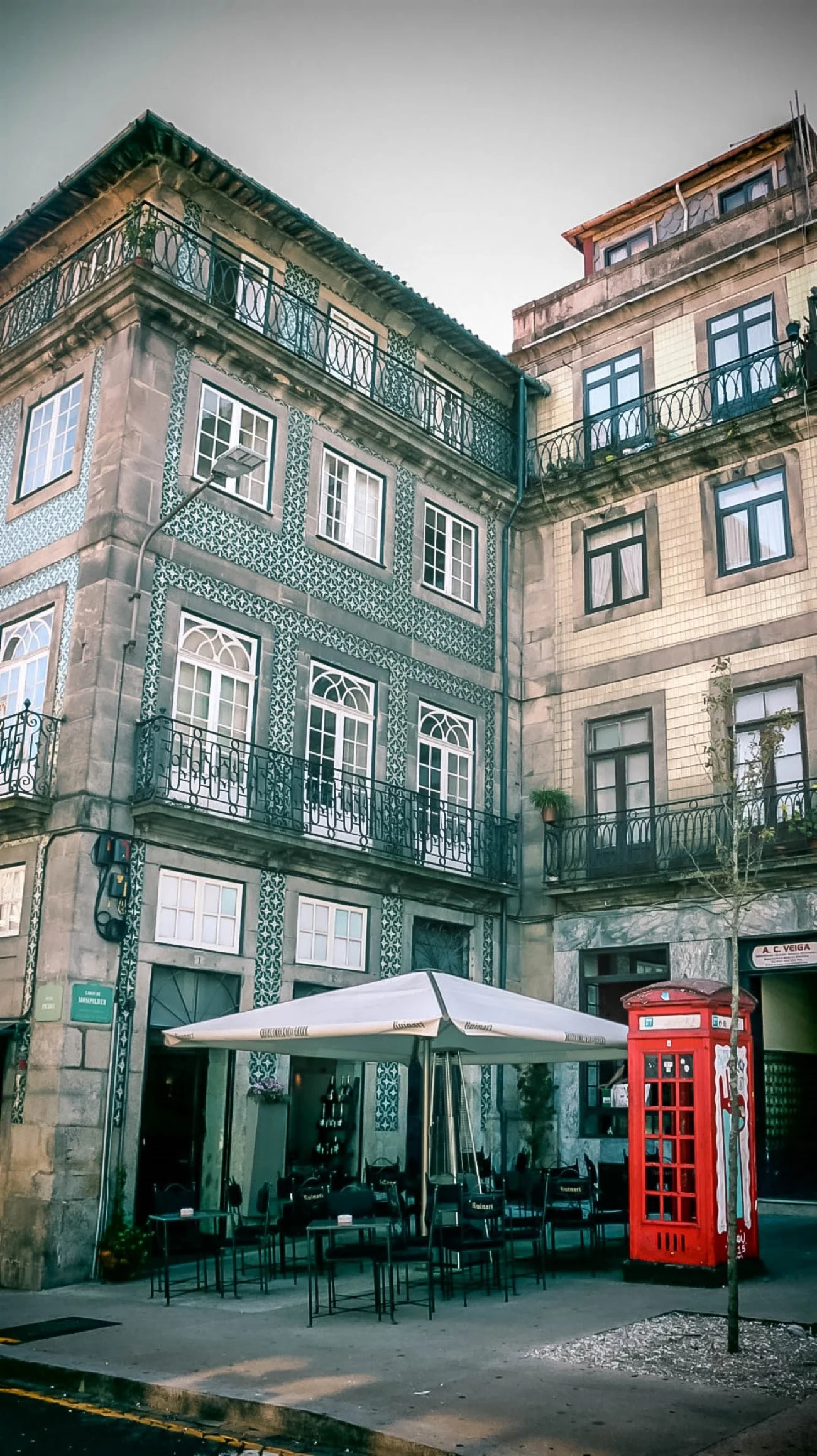
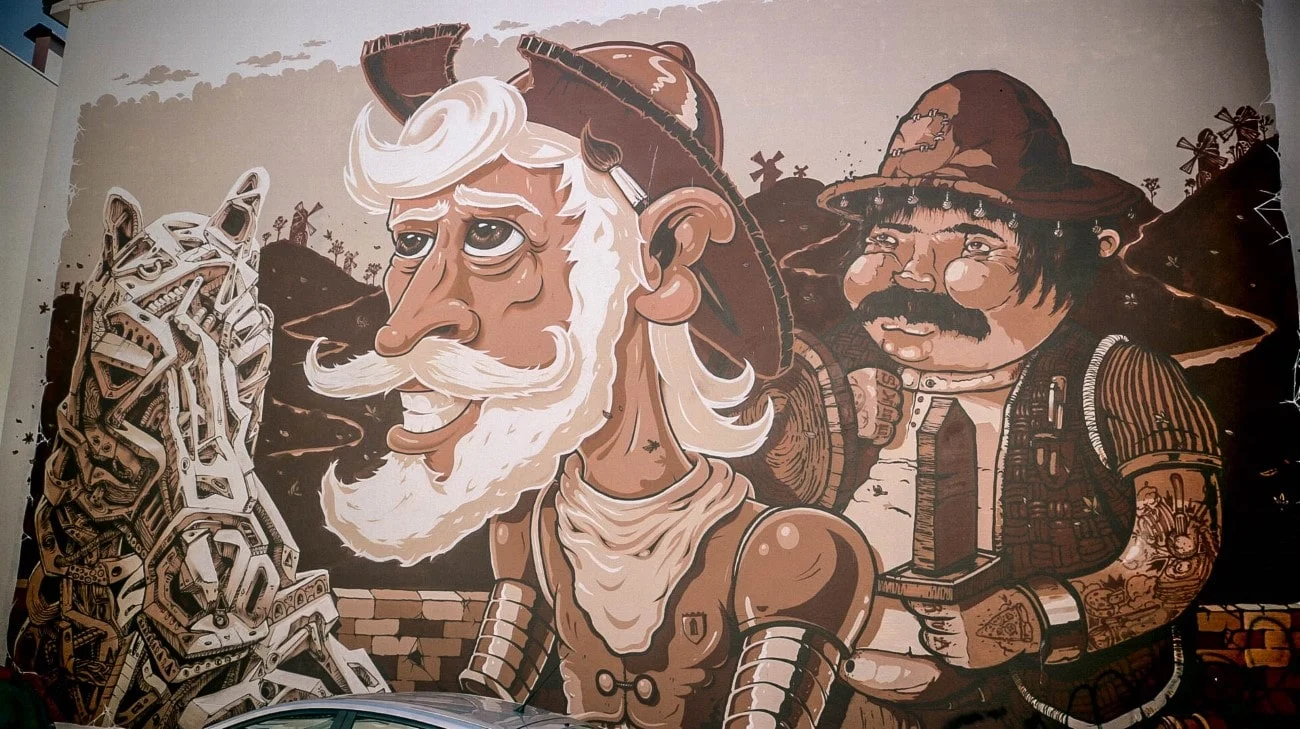
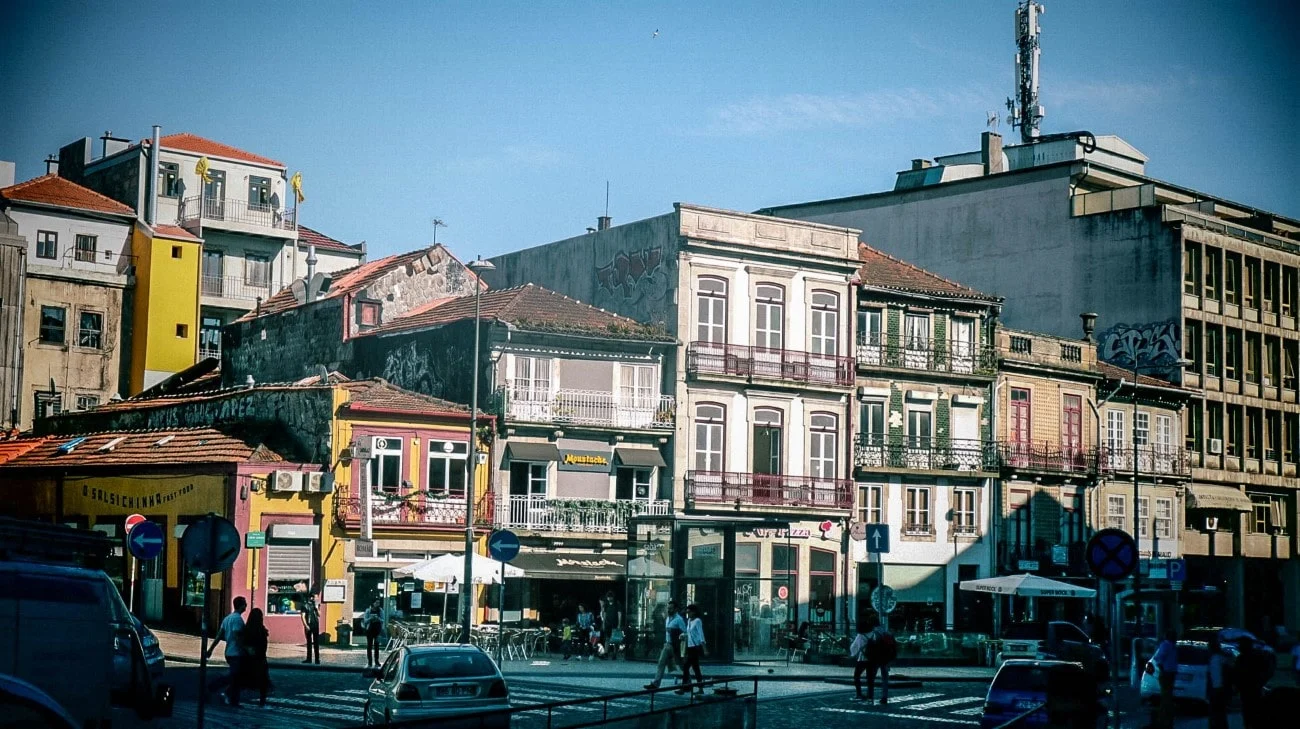
The Palácio da Bolsa (Stock Exchange Palace), built between 1842 and 1910, is worth a visit for the Arab Room alone. It’s a Moorish Revival hall that took 18 years to decorate. The building itself was commissioned by Porto’s merchant class to impress foreign traders, and it worked.
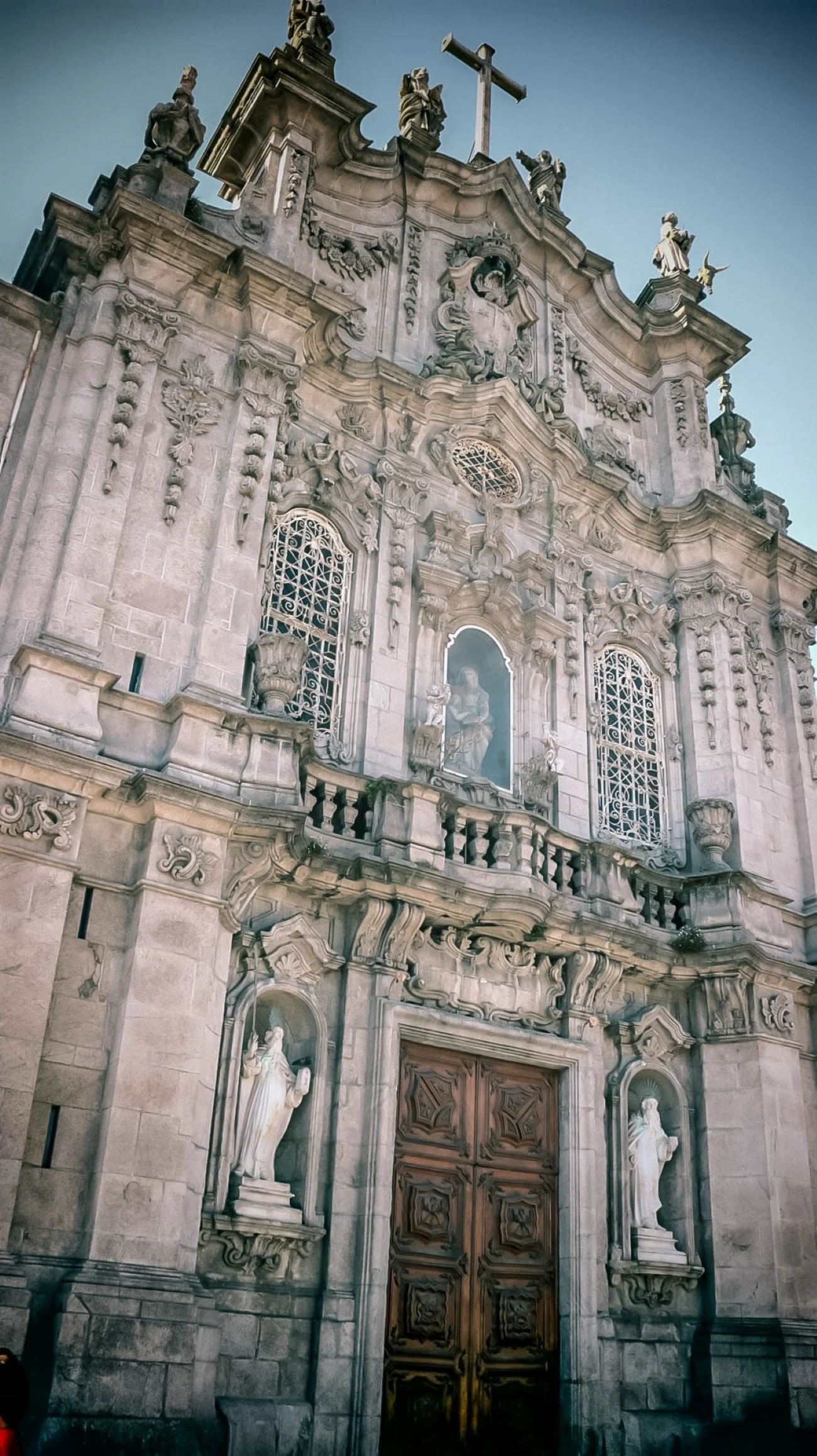
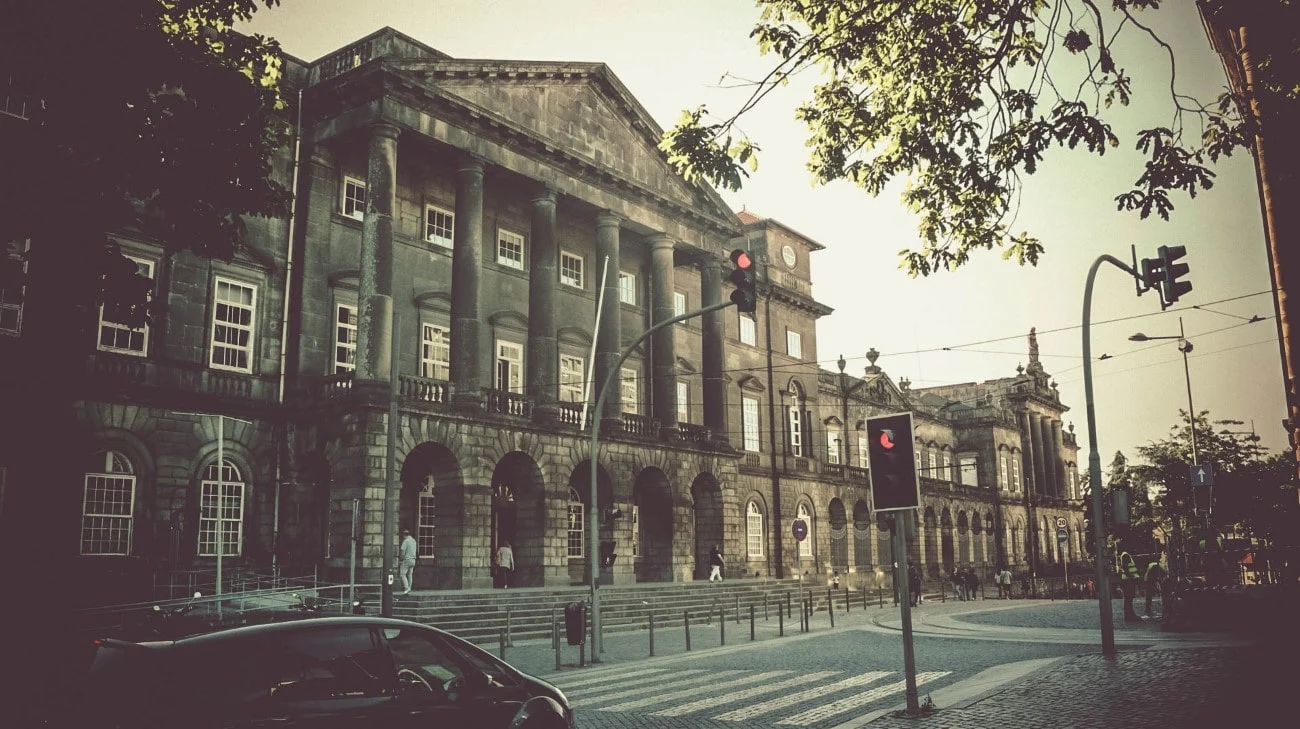
Torre dos Clérigos
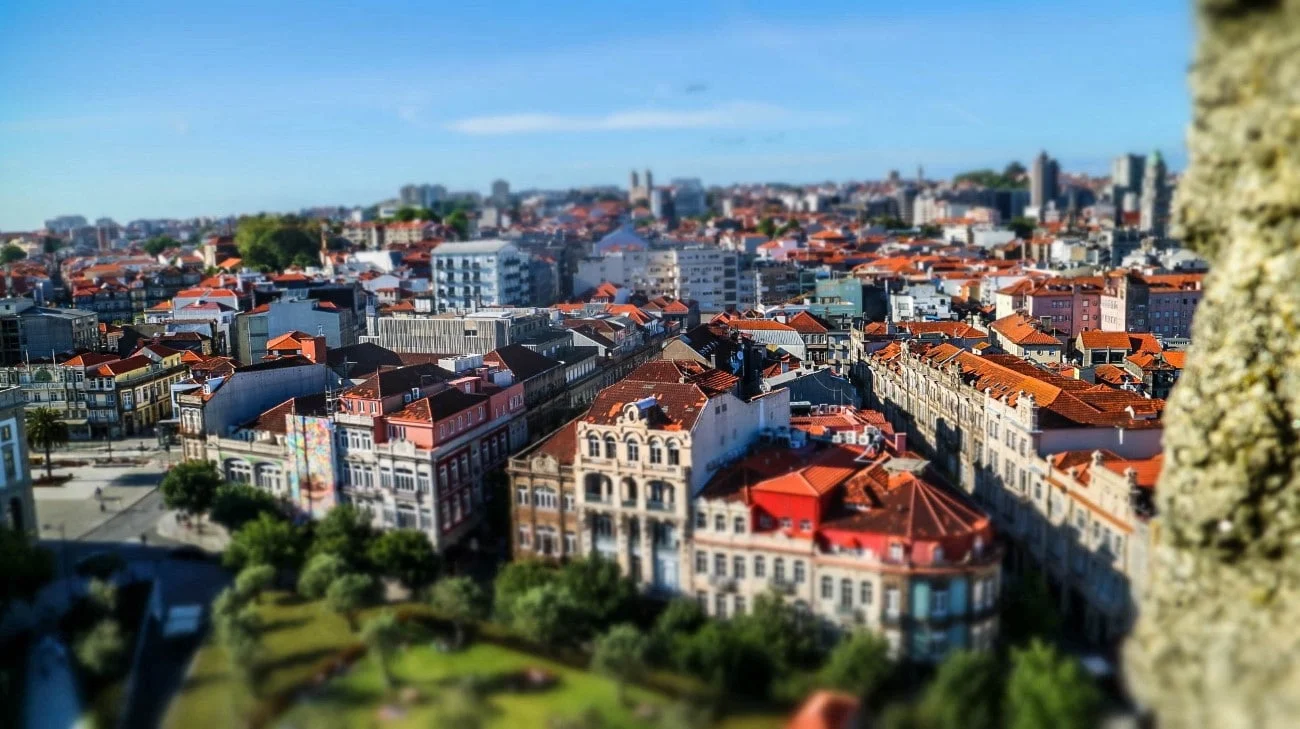
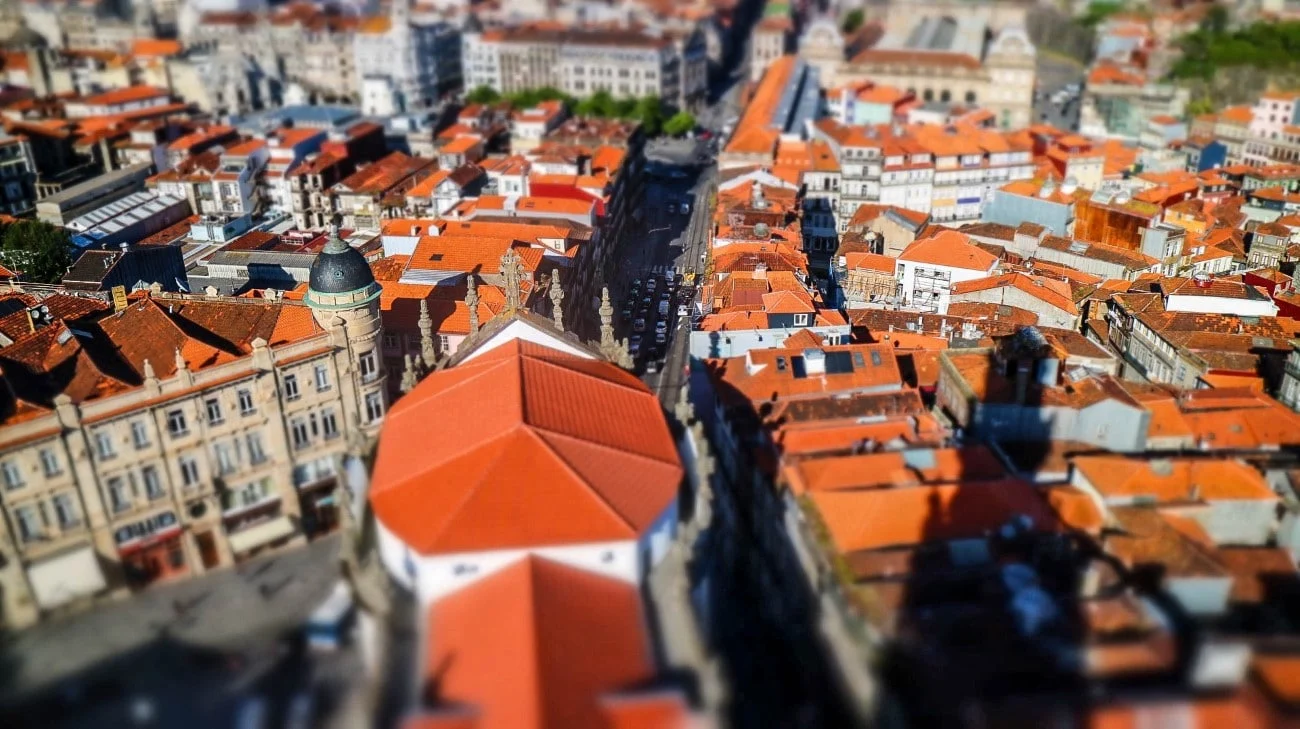
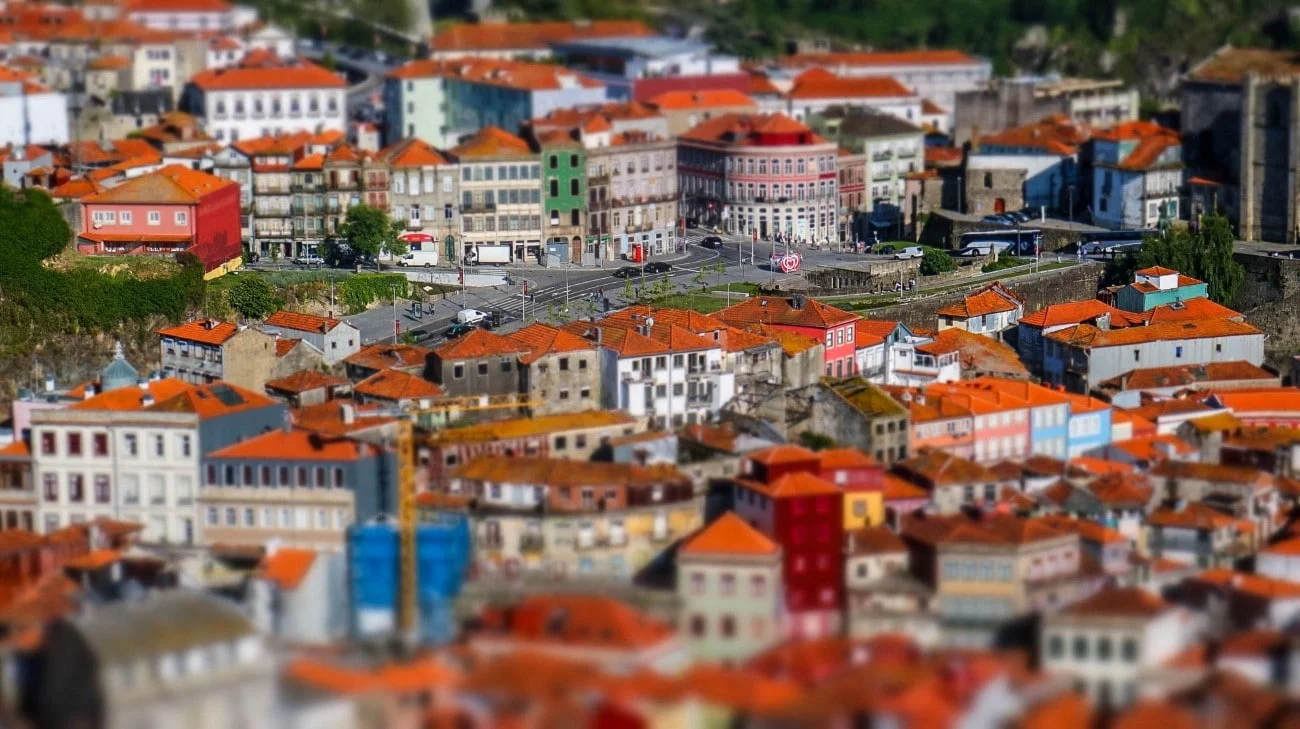
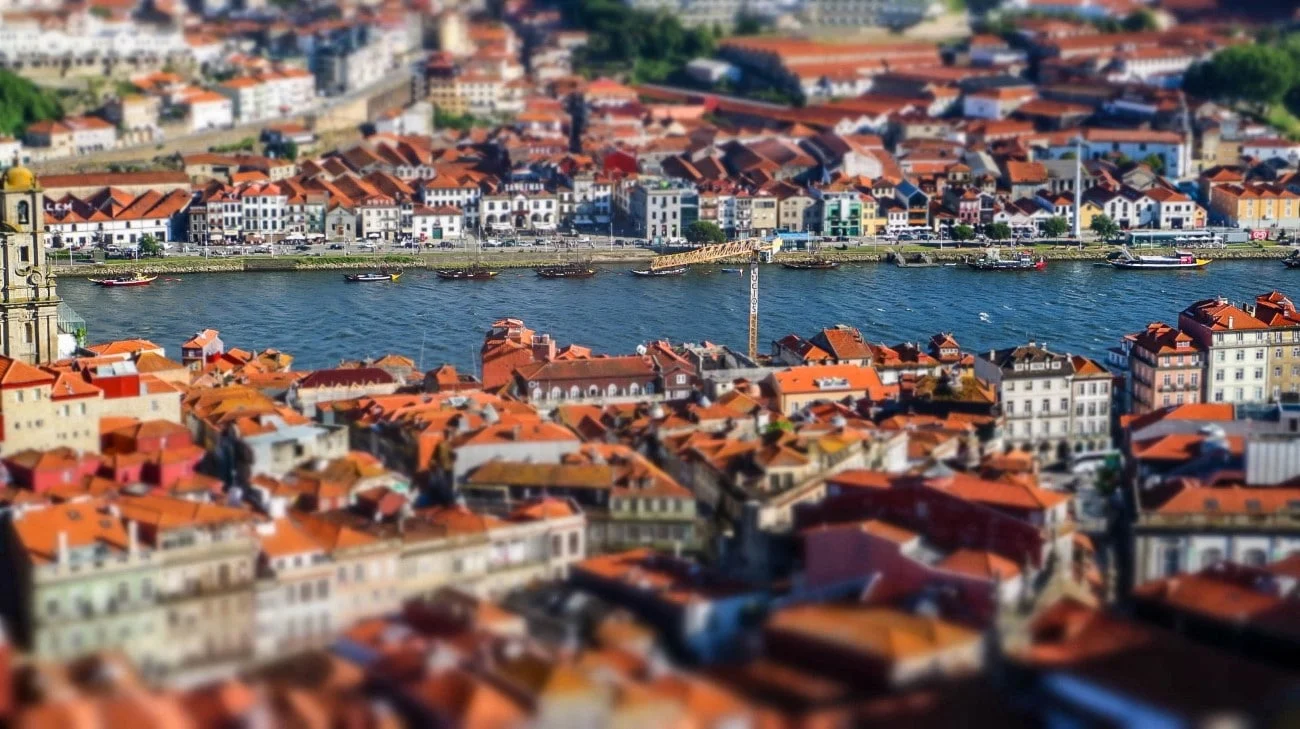
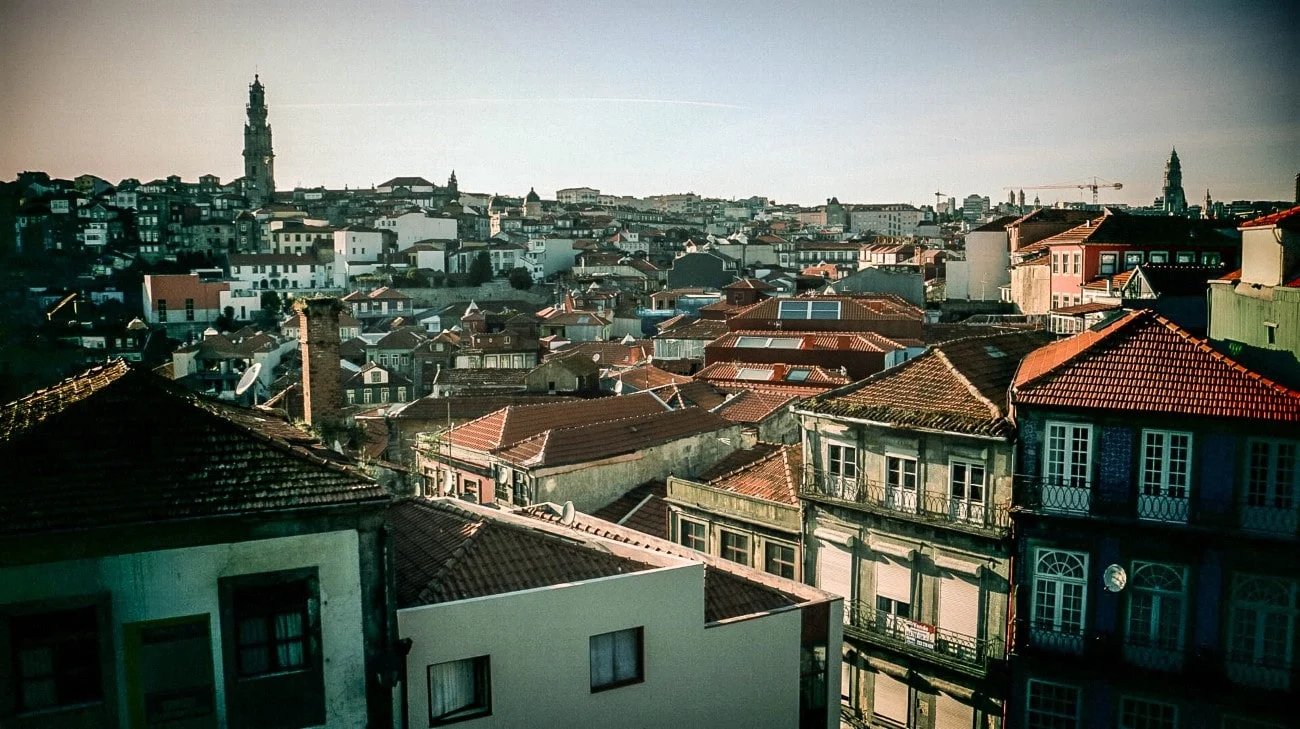
At 76 meters, the Torre dos Clérigos is the tallest church tower in Portugal and the best viewpoint in the city. Built between 1754 and 1763 by Italian architect Nicolau Nasoni, who designed half of Baroque Porto and is actually buried inside the church below. You climb 240 steps in a narrow spiral staircase (not recommended if you’re claustrophobic) and the reward is a 360-degree panorama of red rooftops, the Douro River, and Vila Nova de Gaia across the water.
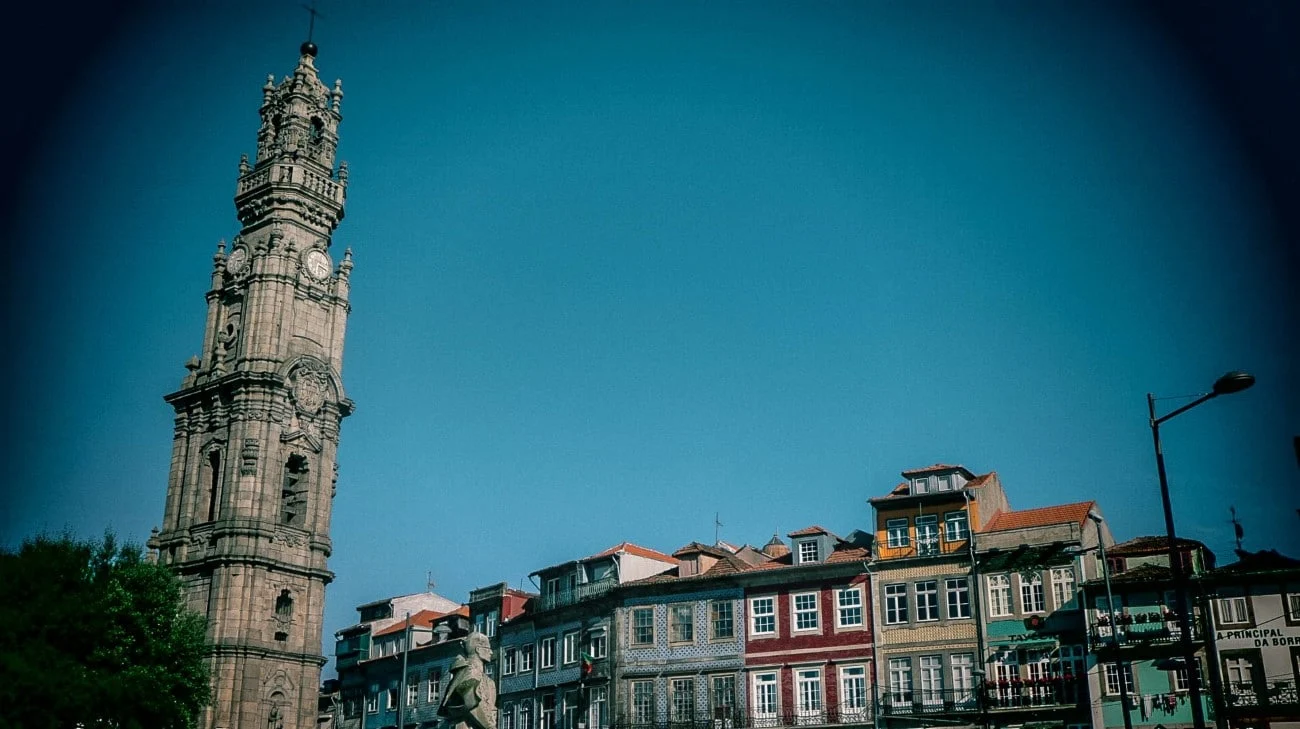
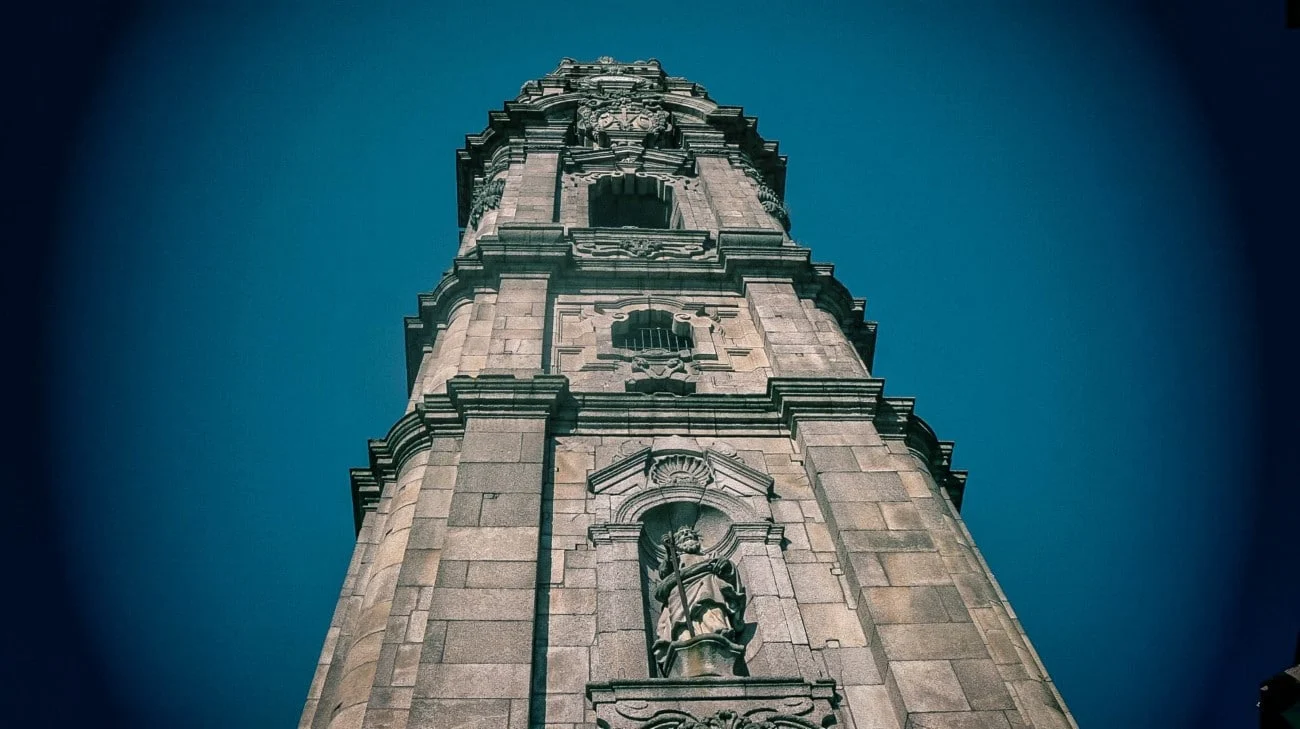
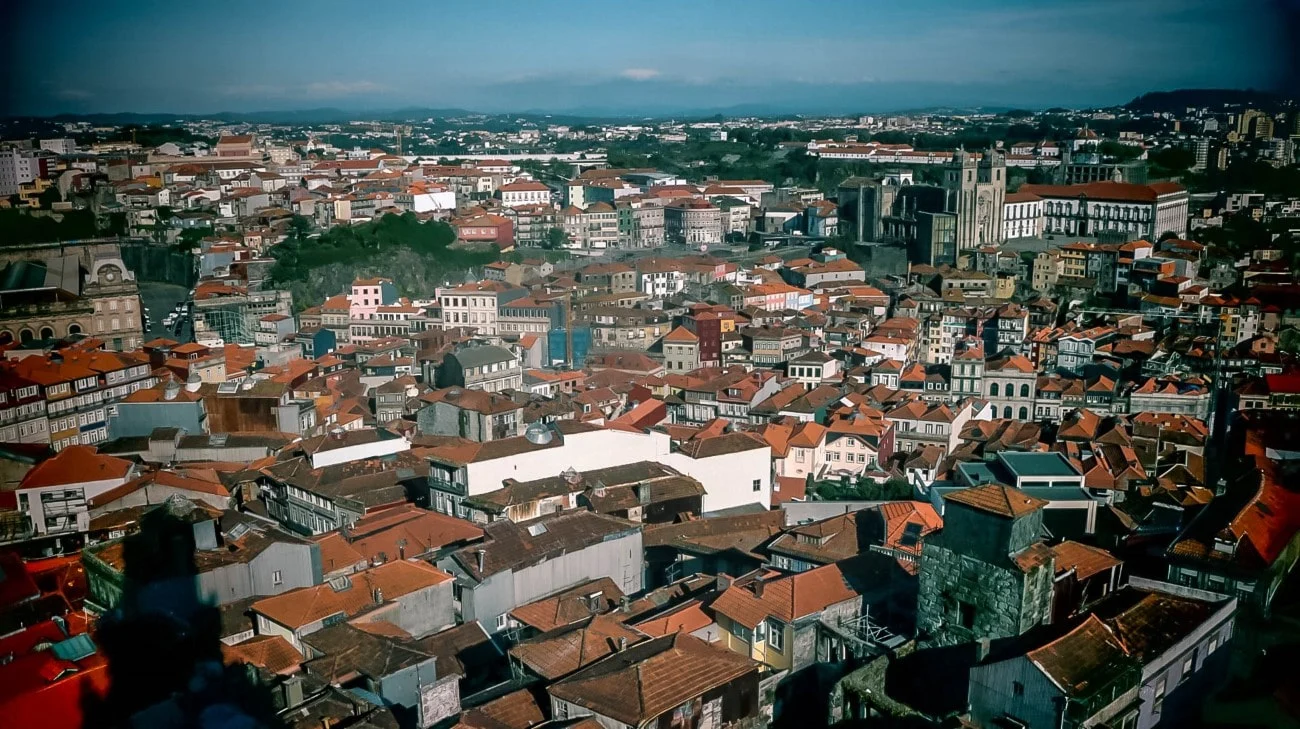
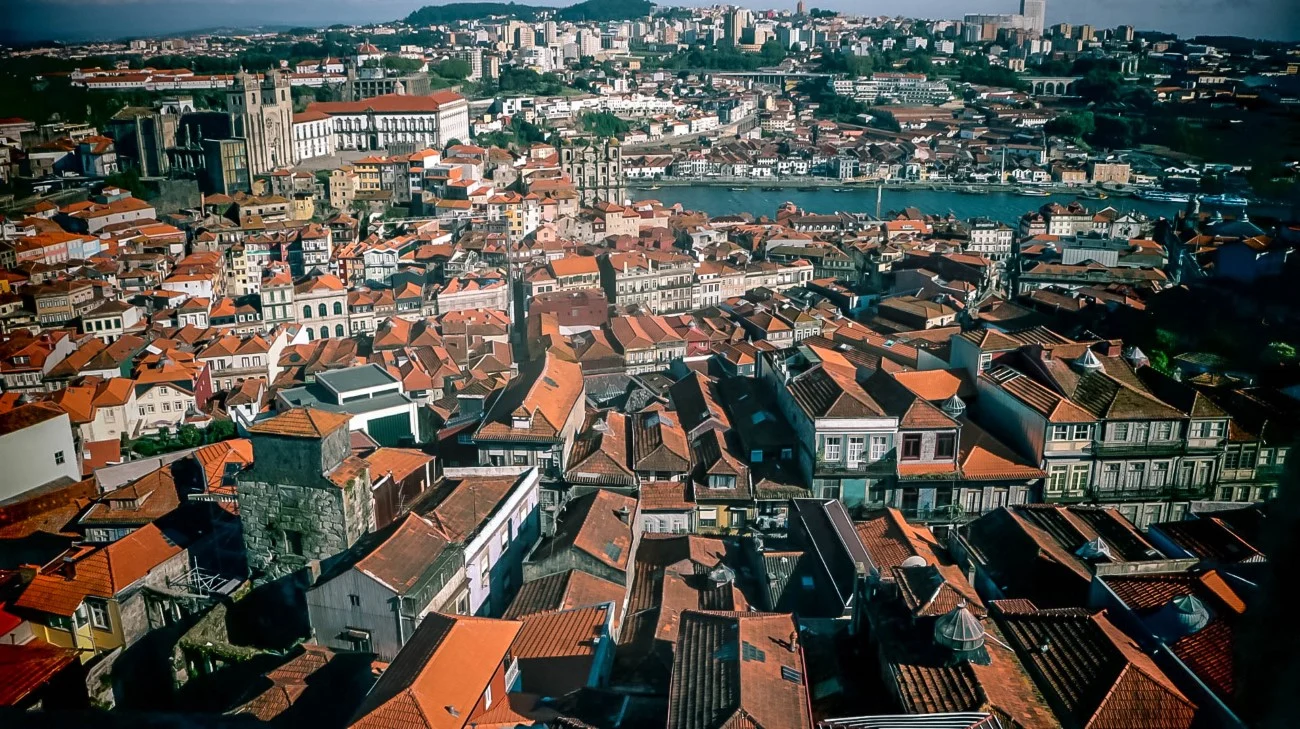
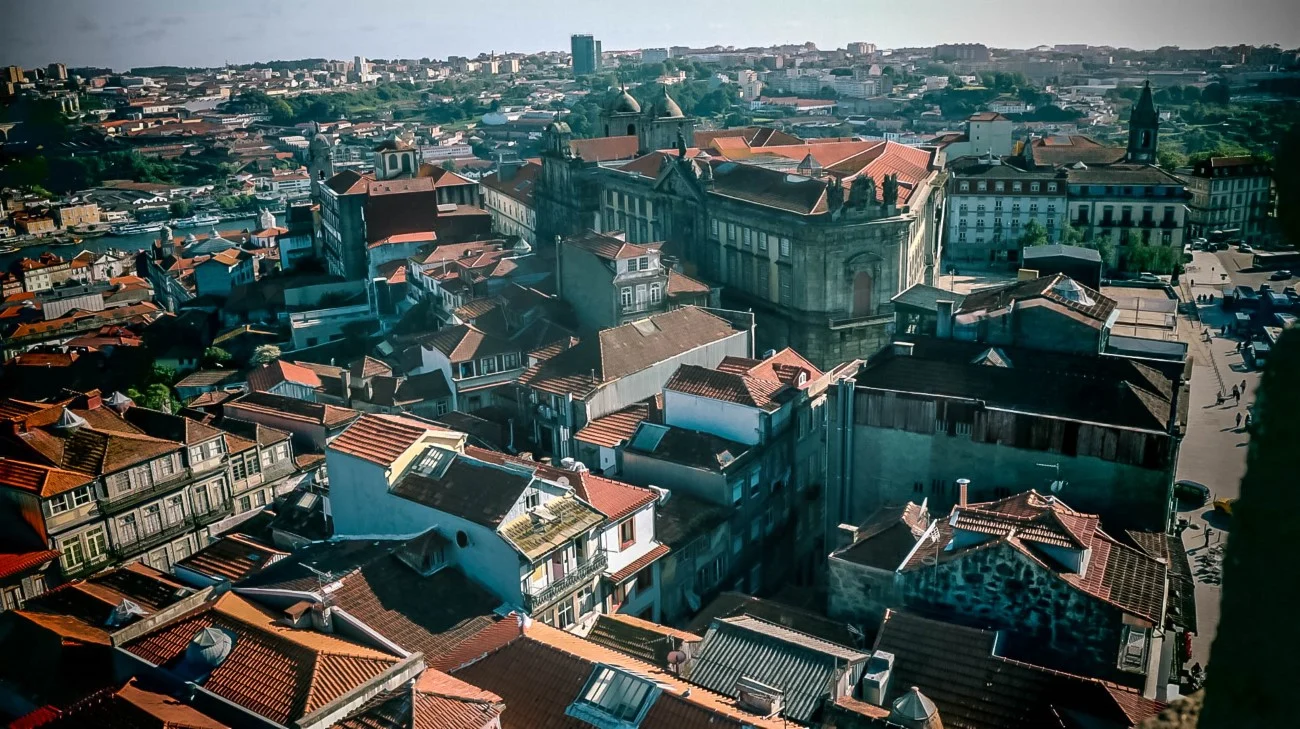
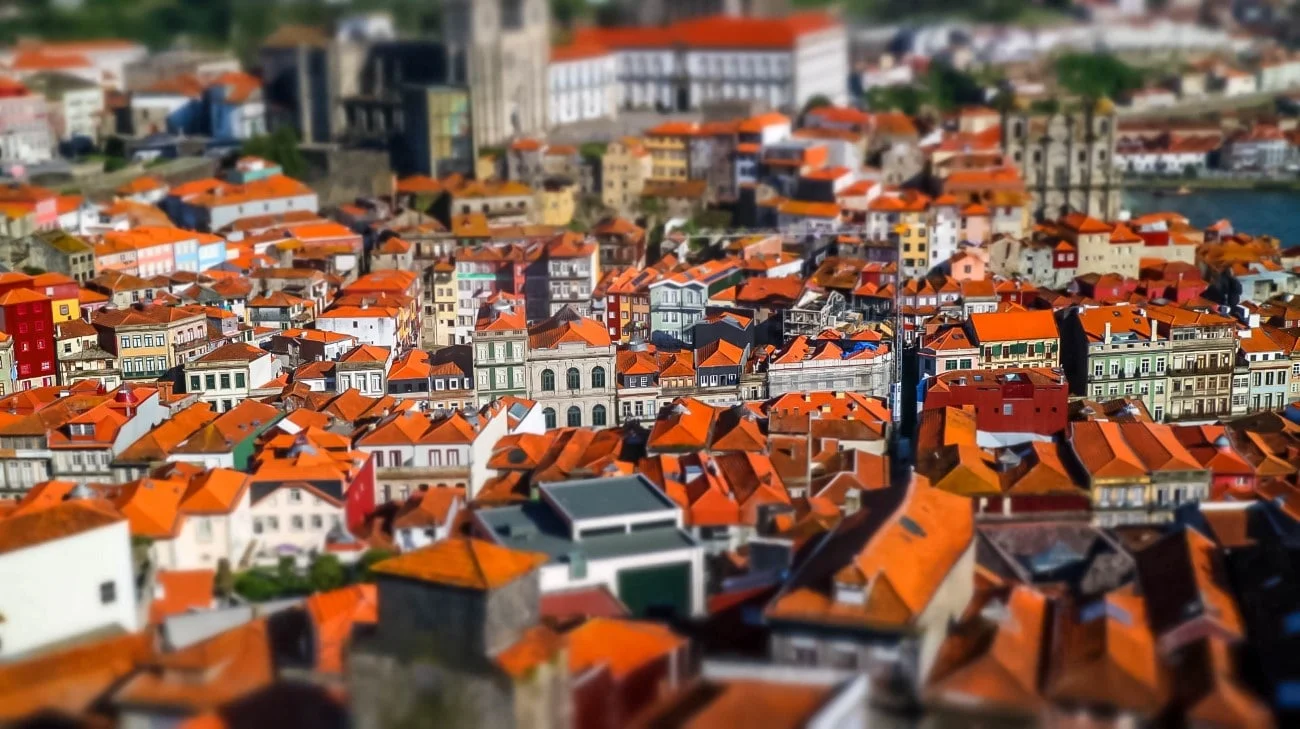
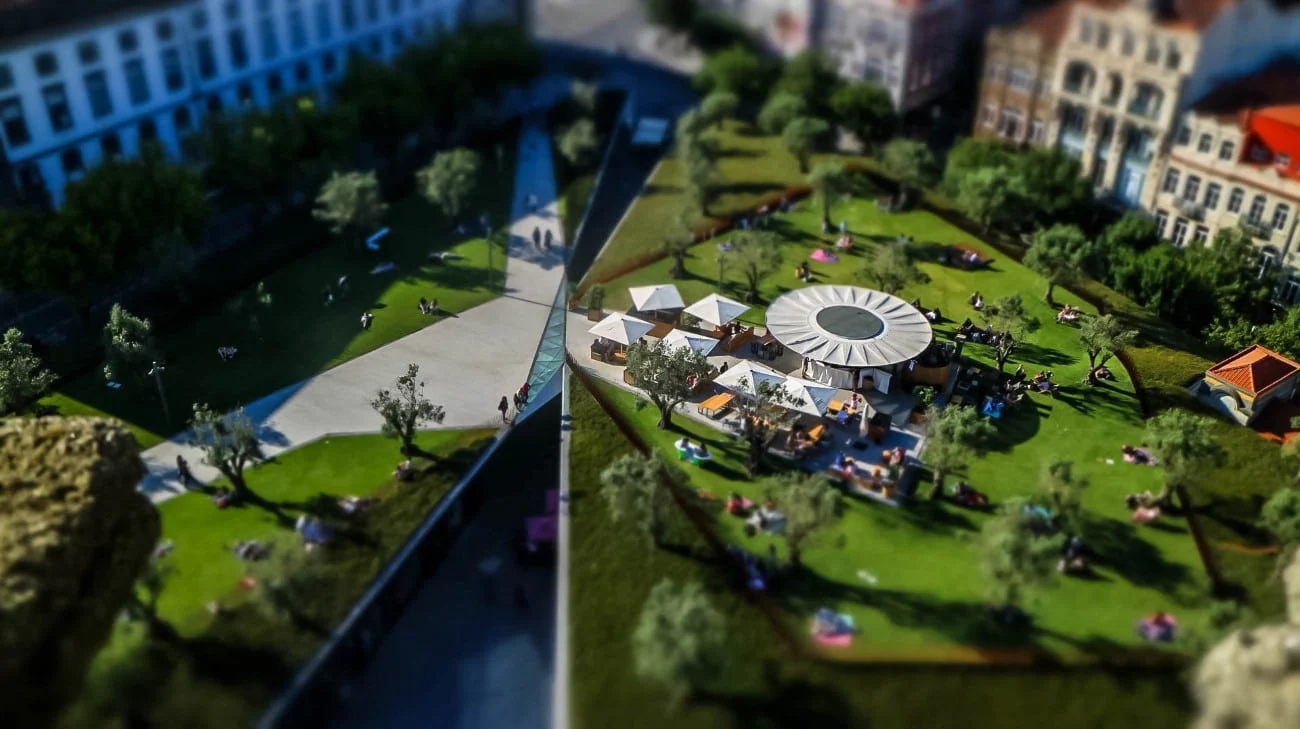
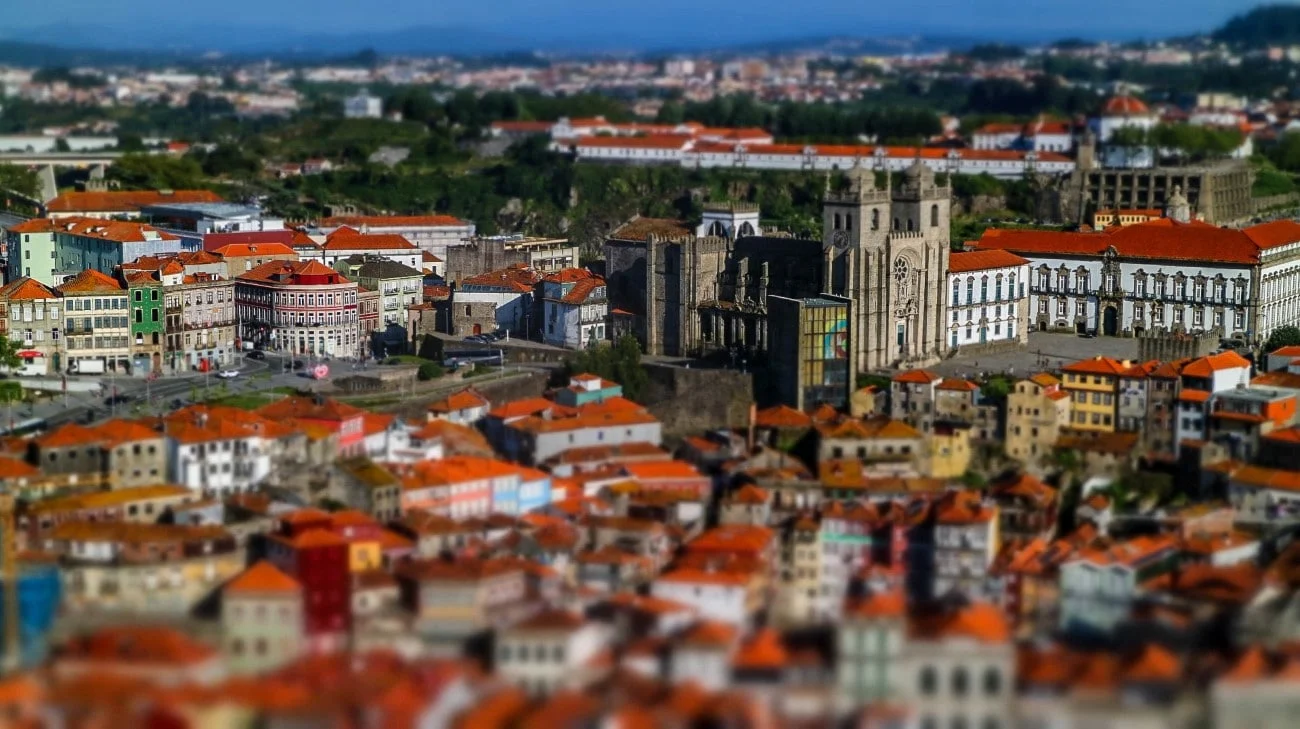
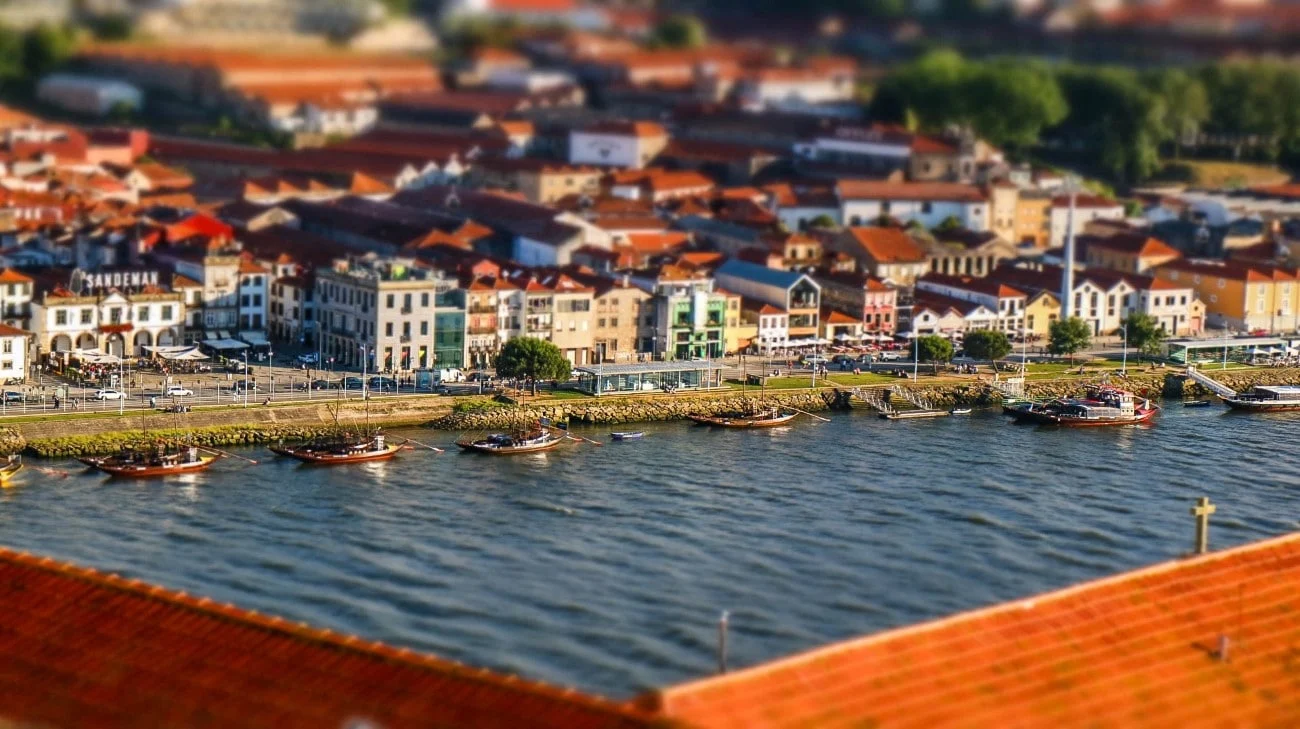
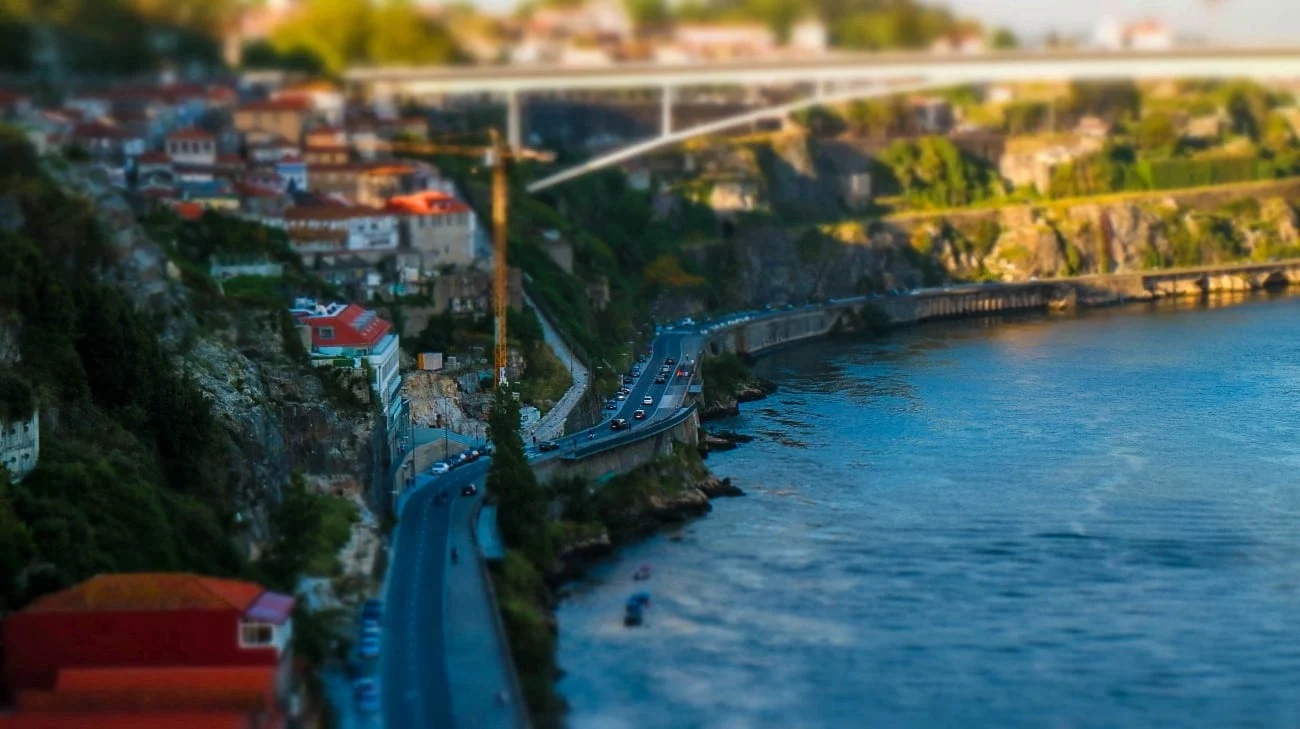
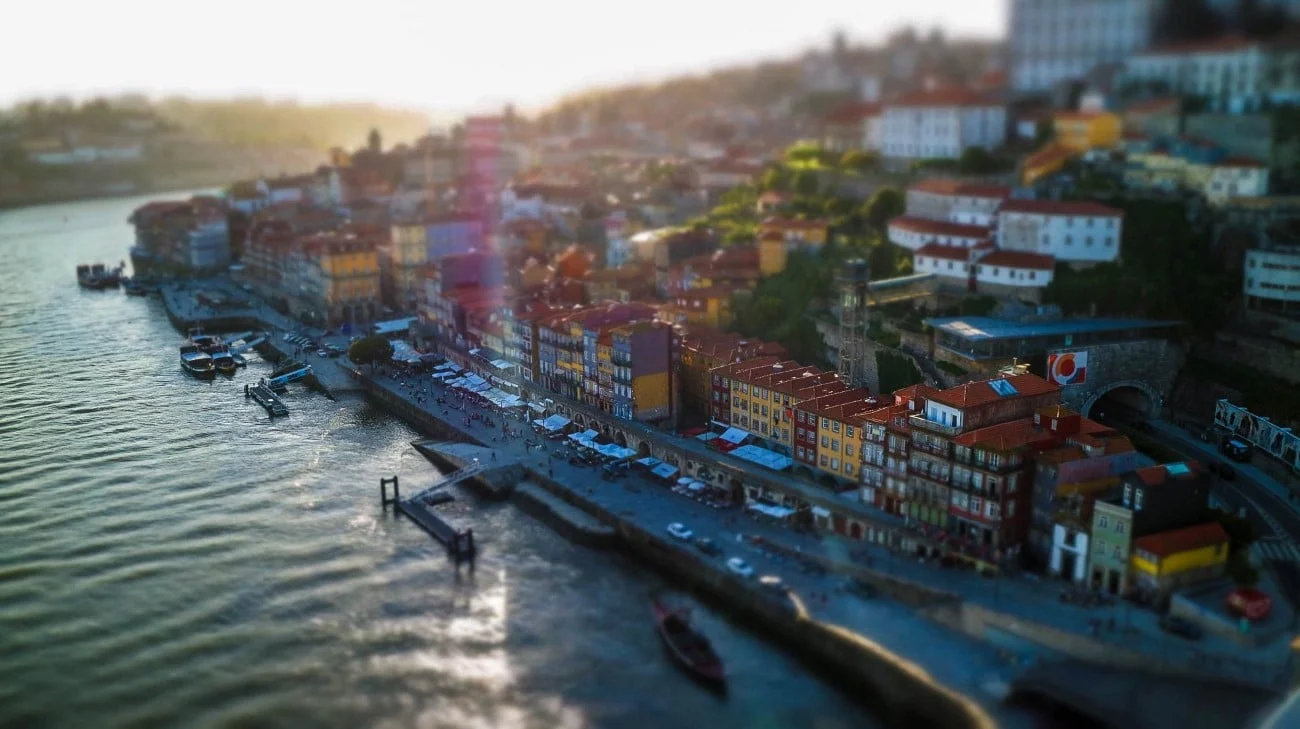
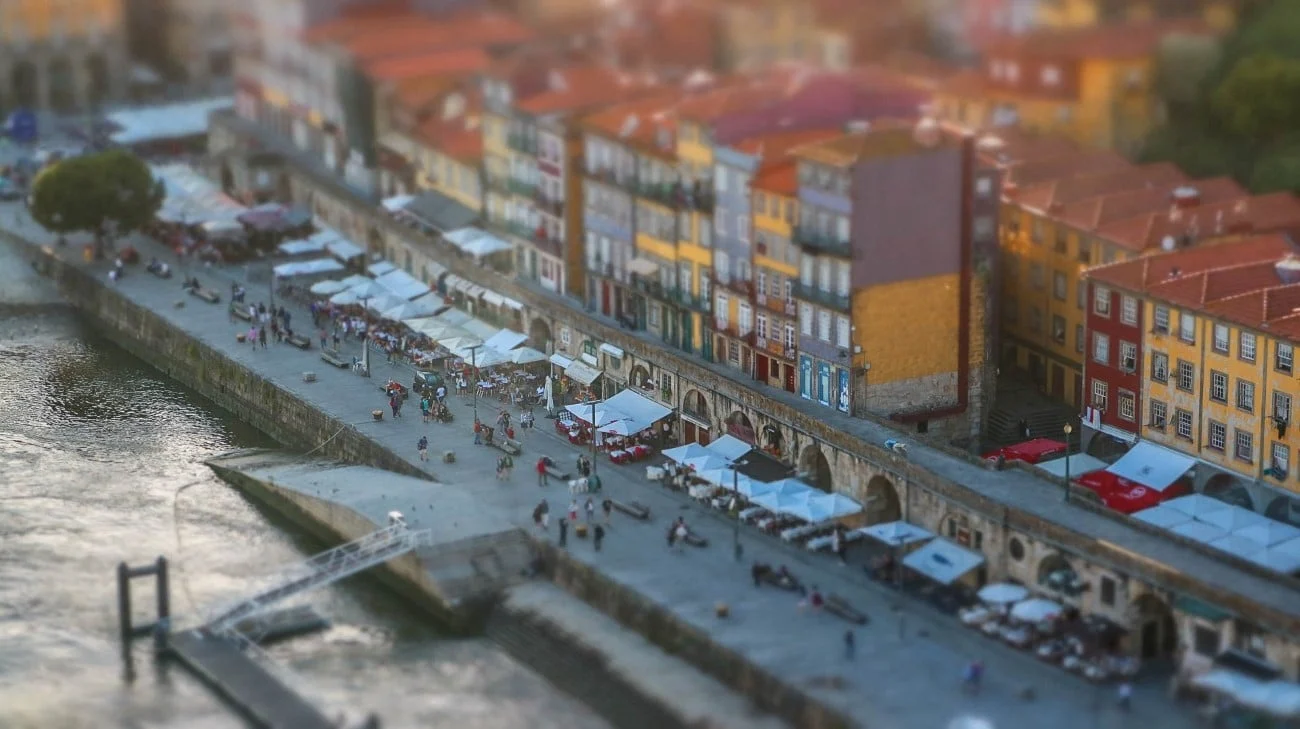
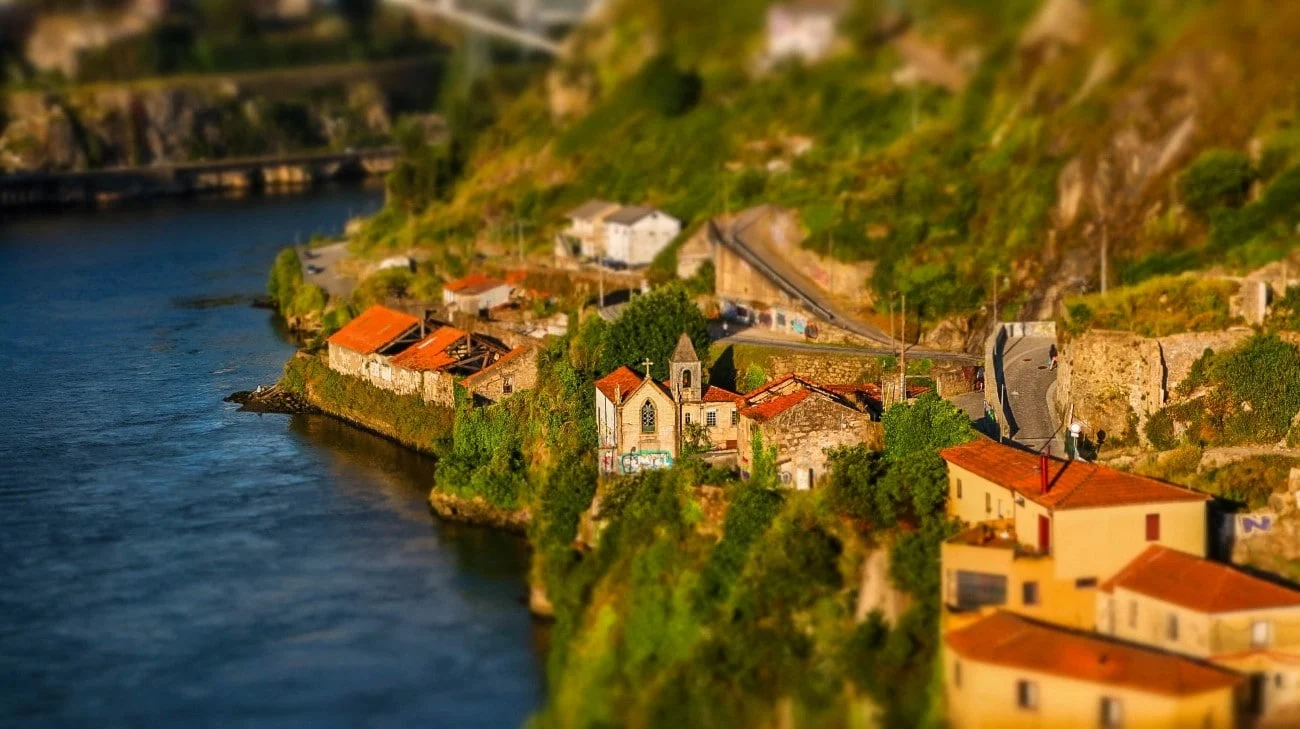
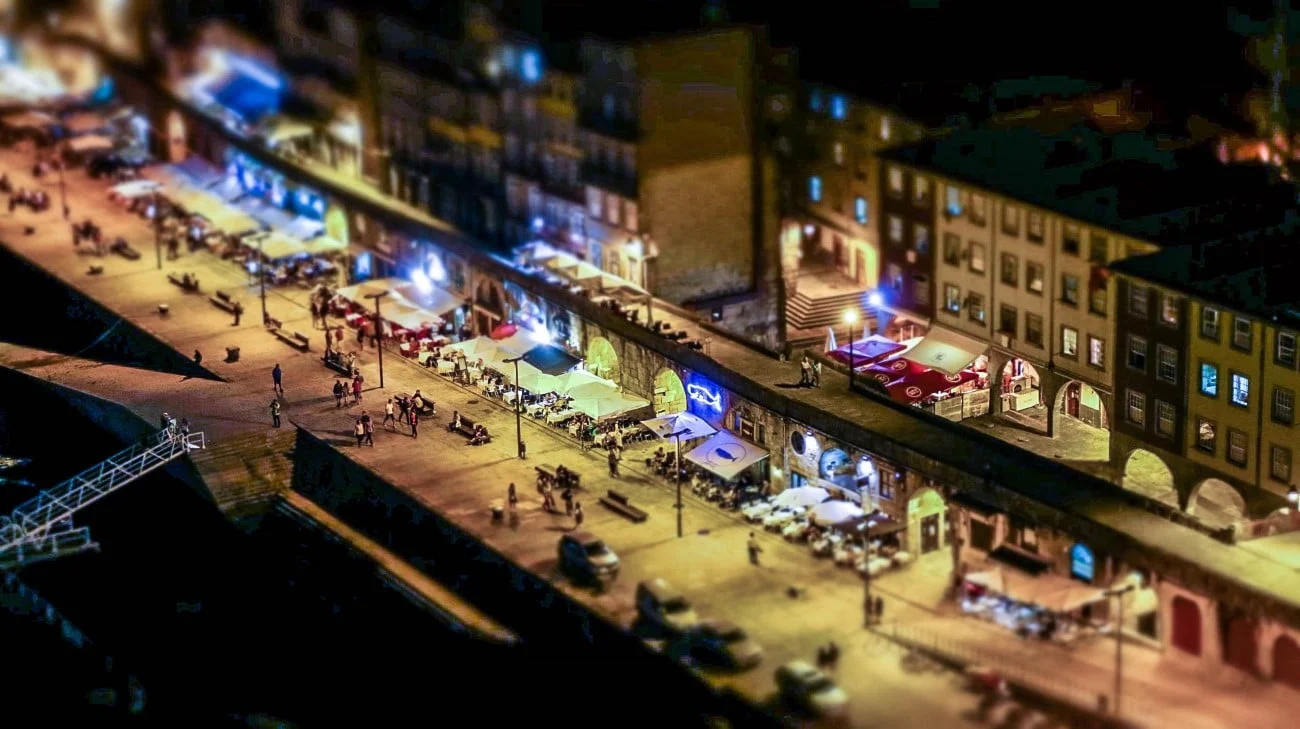
I brought a tilt-shift lens specifically for this tower, and it was worth it. The miniature effect turns Porto into something that looks like a handmade model city.
The Sé Cathedral & Old Town Alleys
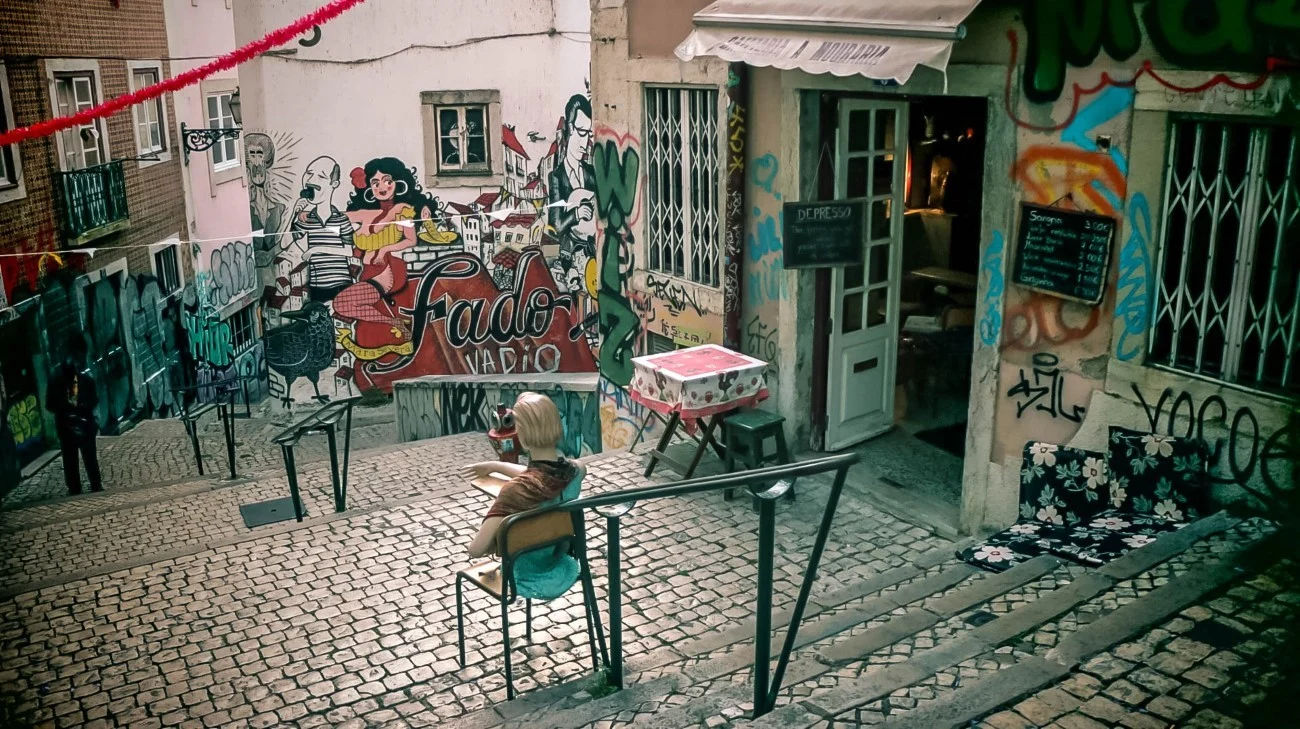
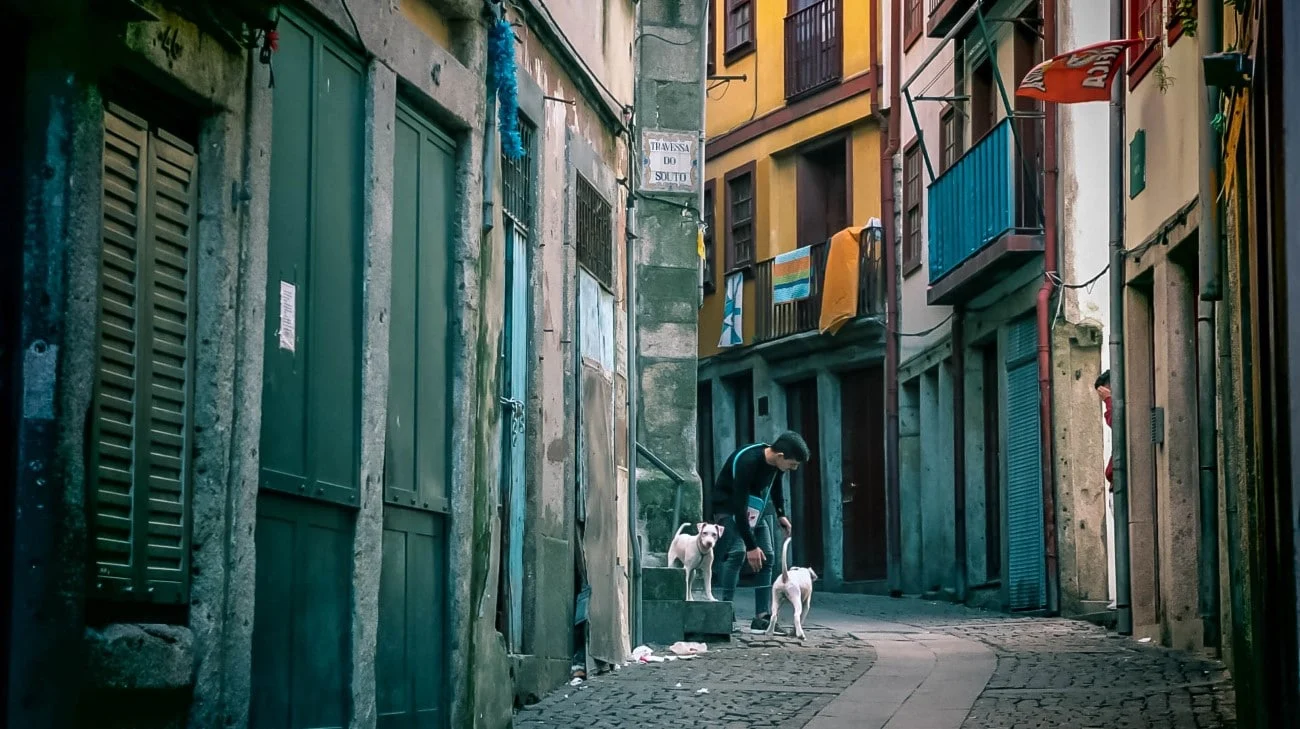
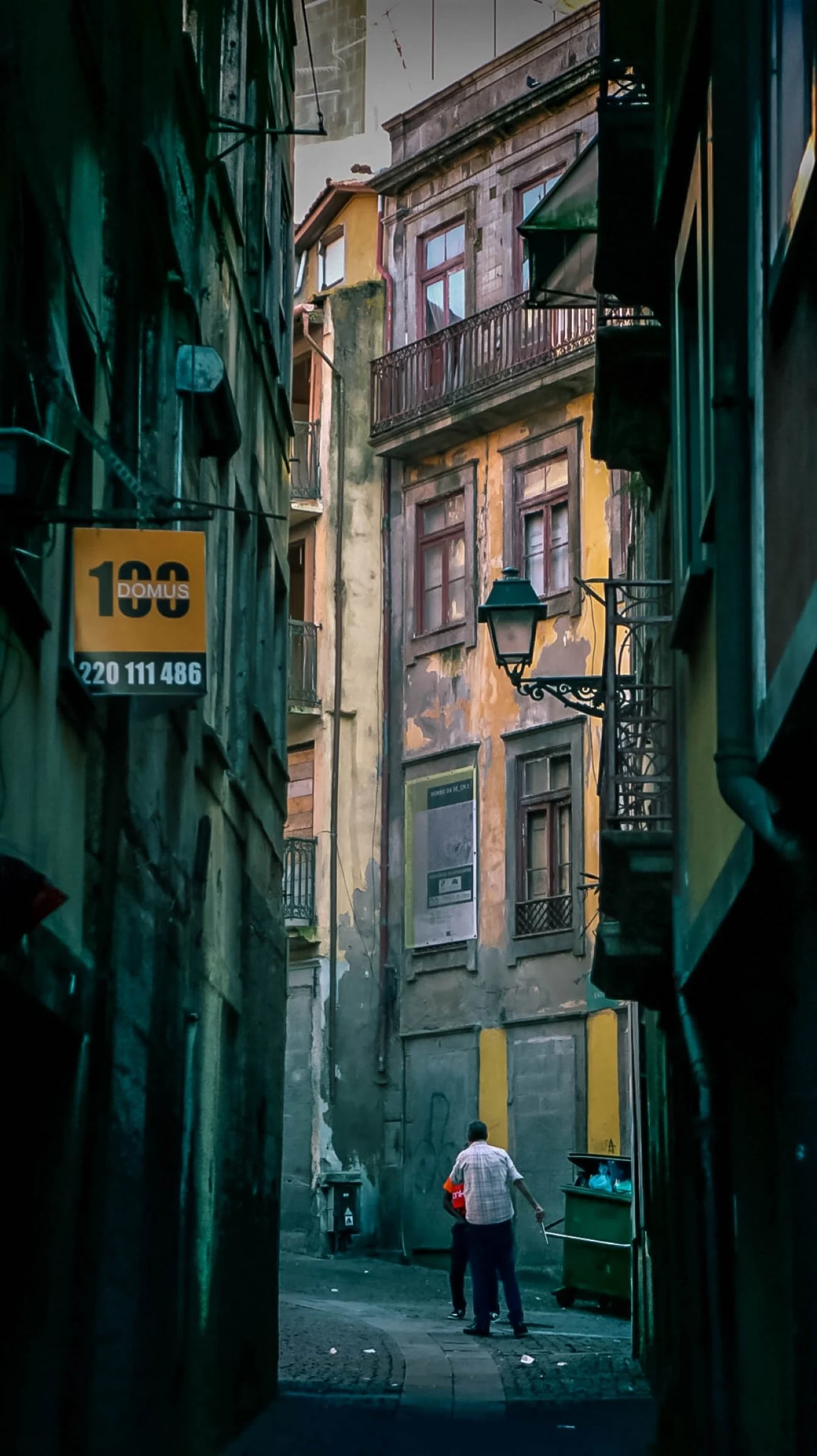
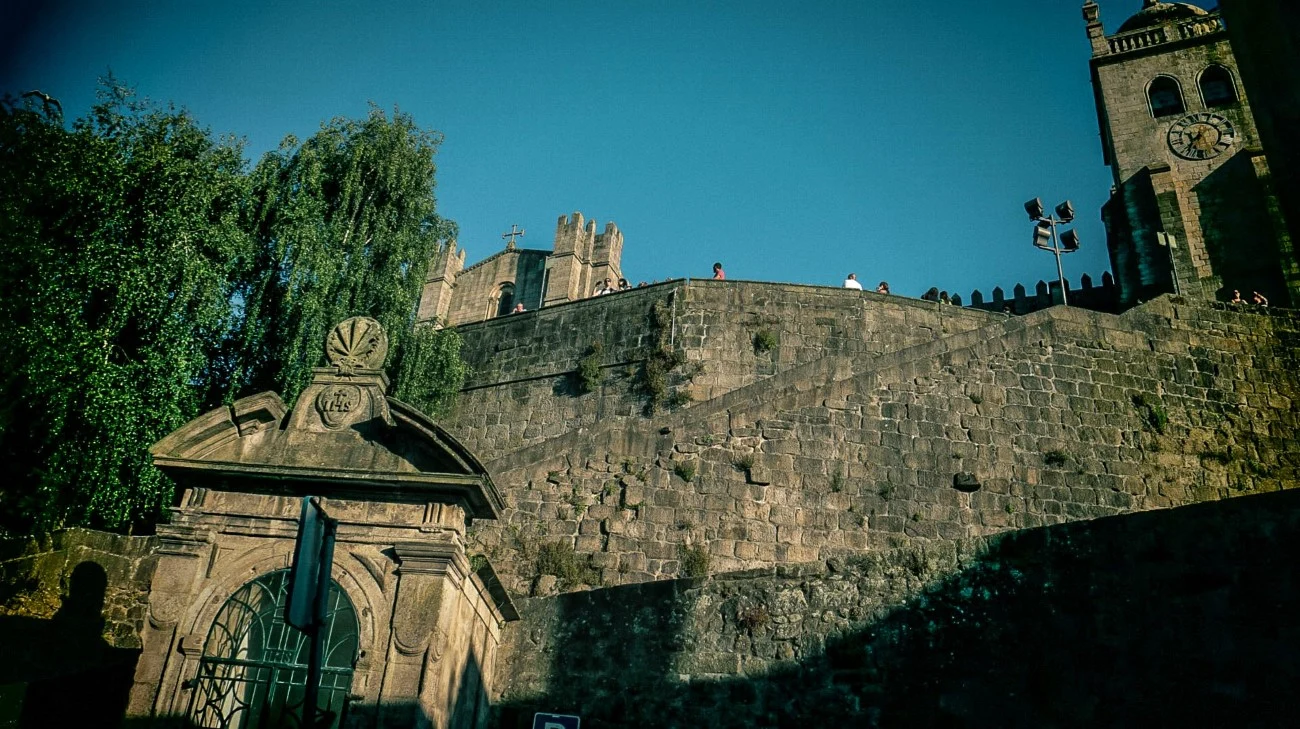
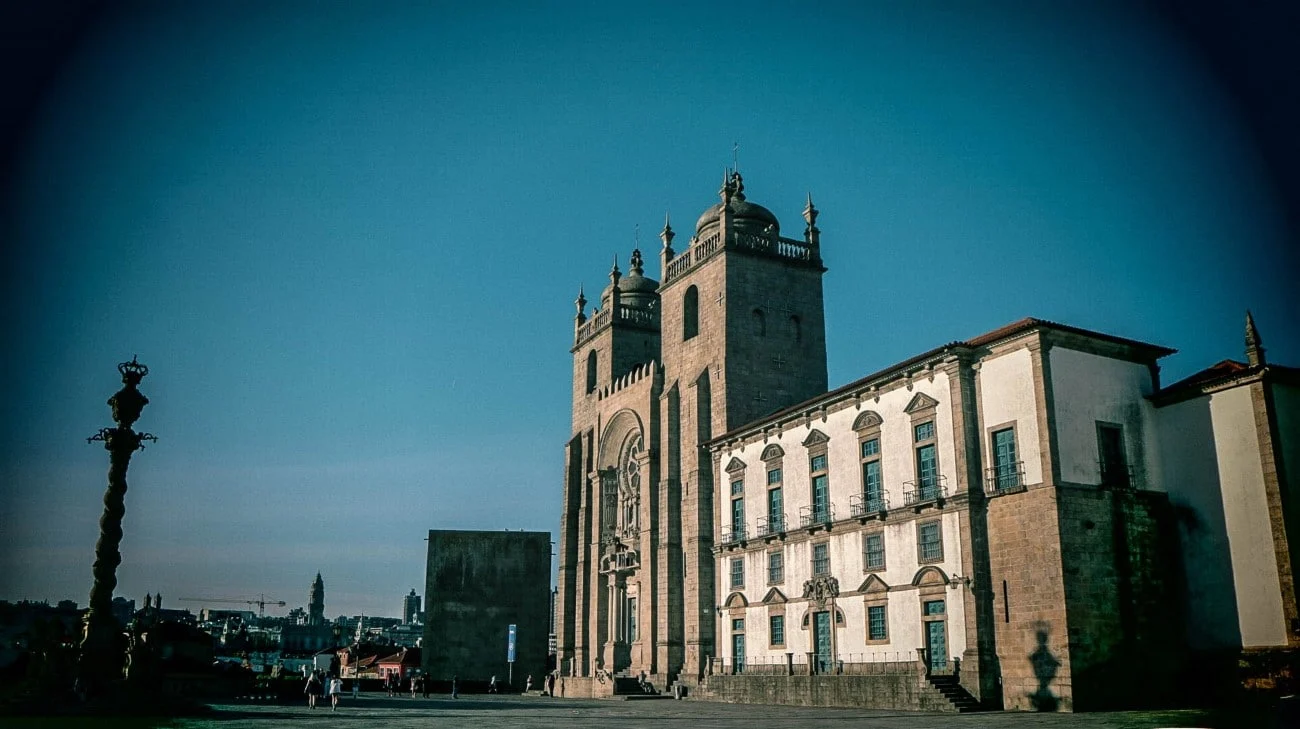
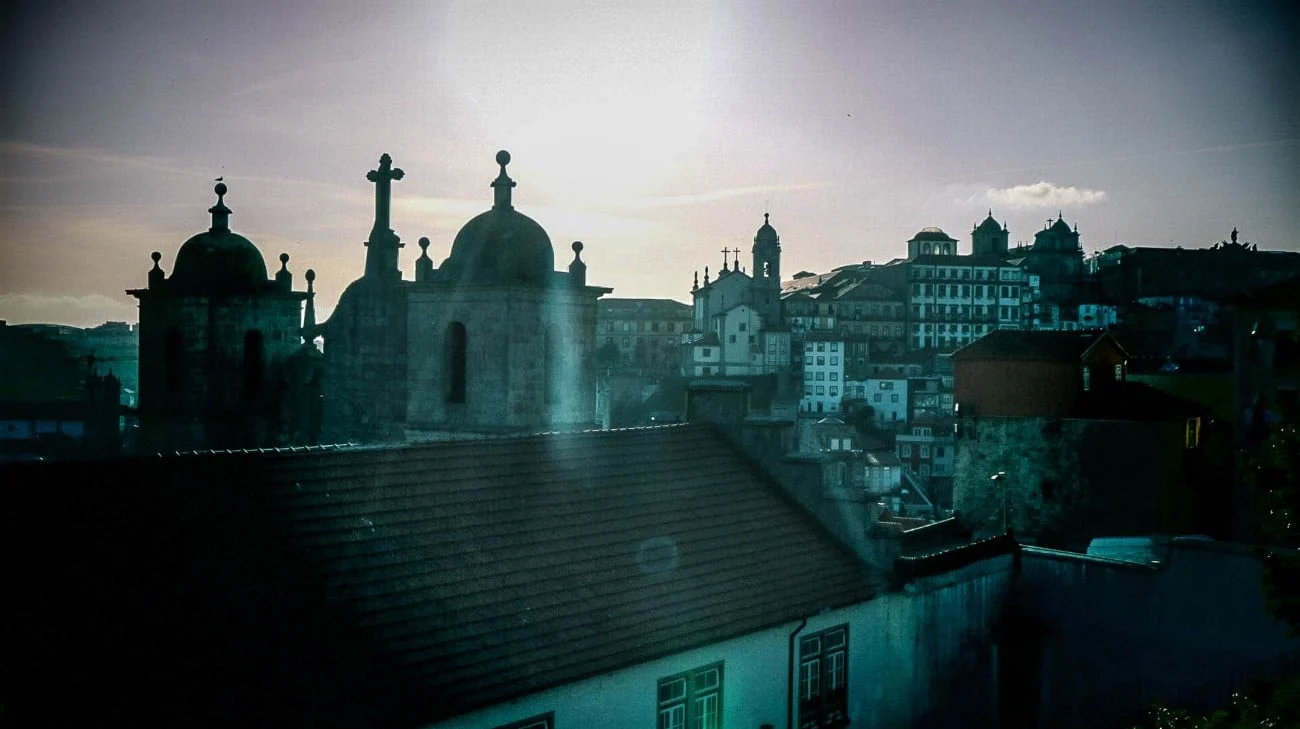
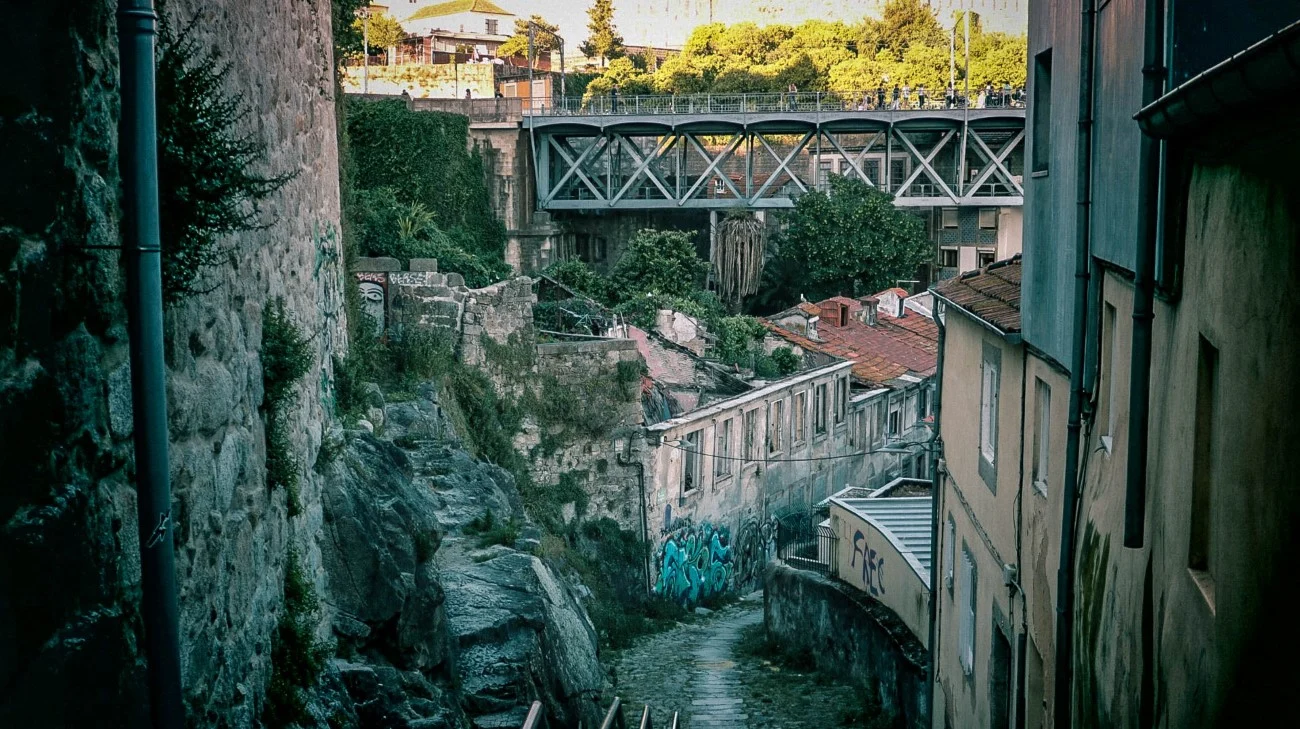
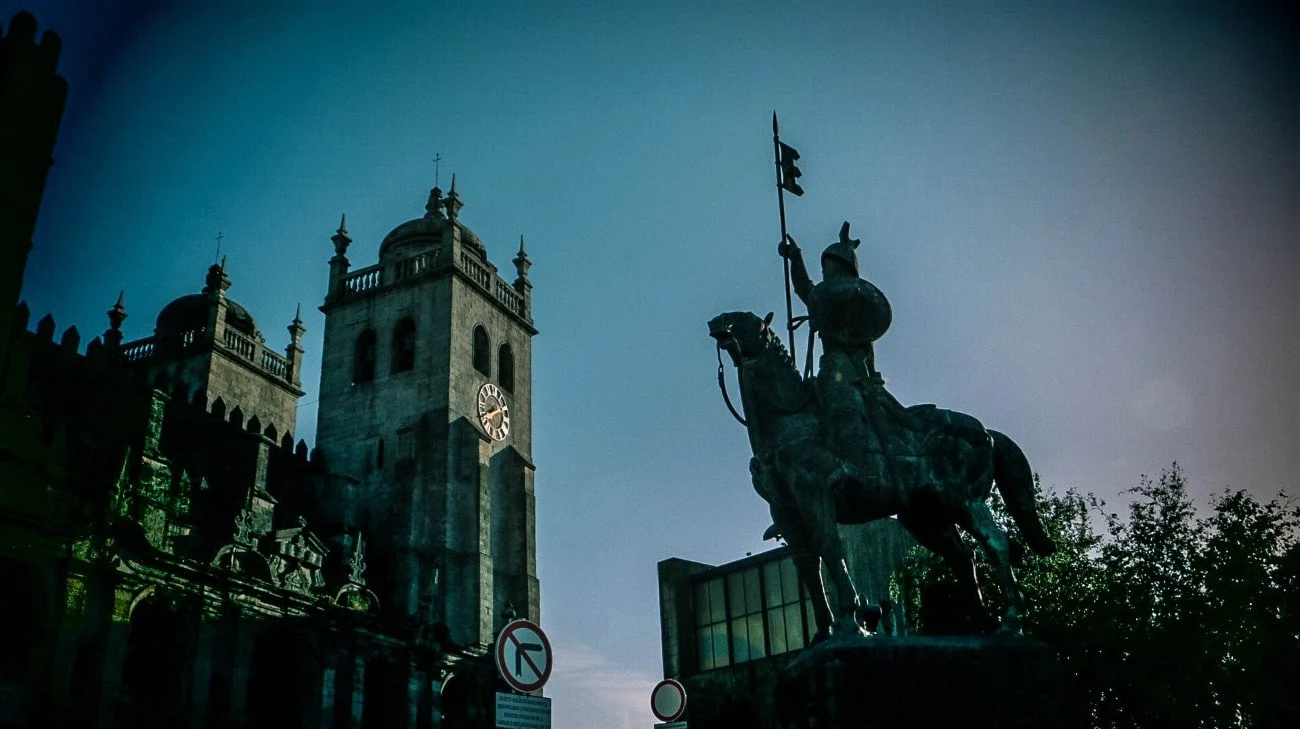
The Sé do Porto is the city’s oldest monument, a Romanesque fortress-church started in the 12th century. It sits on the highest point of the old town, and the surrounding alleys feel untouched by the last 400 years. Laundry hangs between buildings, stray dogs wander past, and the Fernandina Wall (built in the 1370s to defend against Castilian invasion) still stands at the base of the cathedral hill.

The Douro River & Ponte Luís I
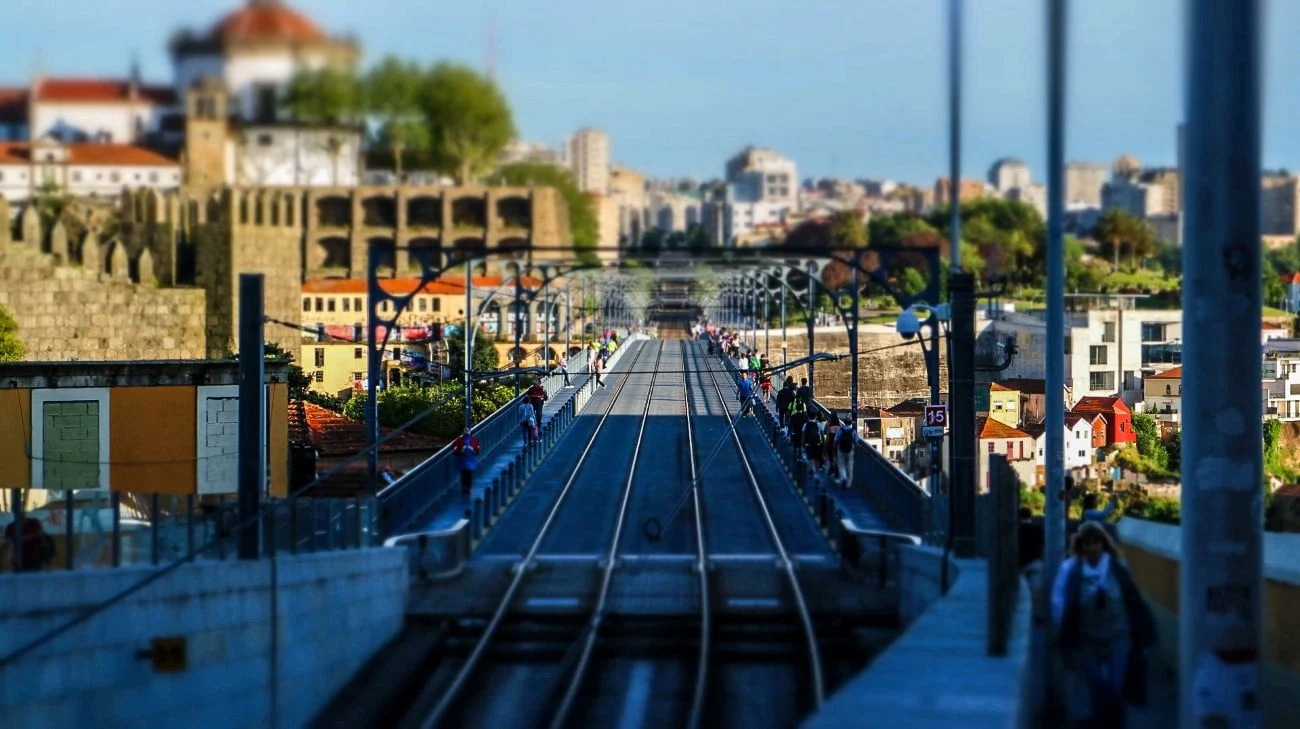
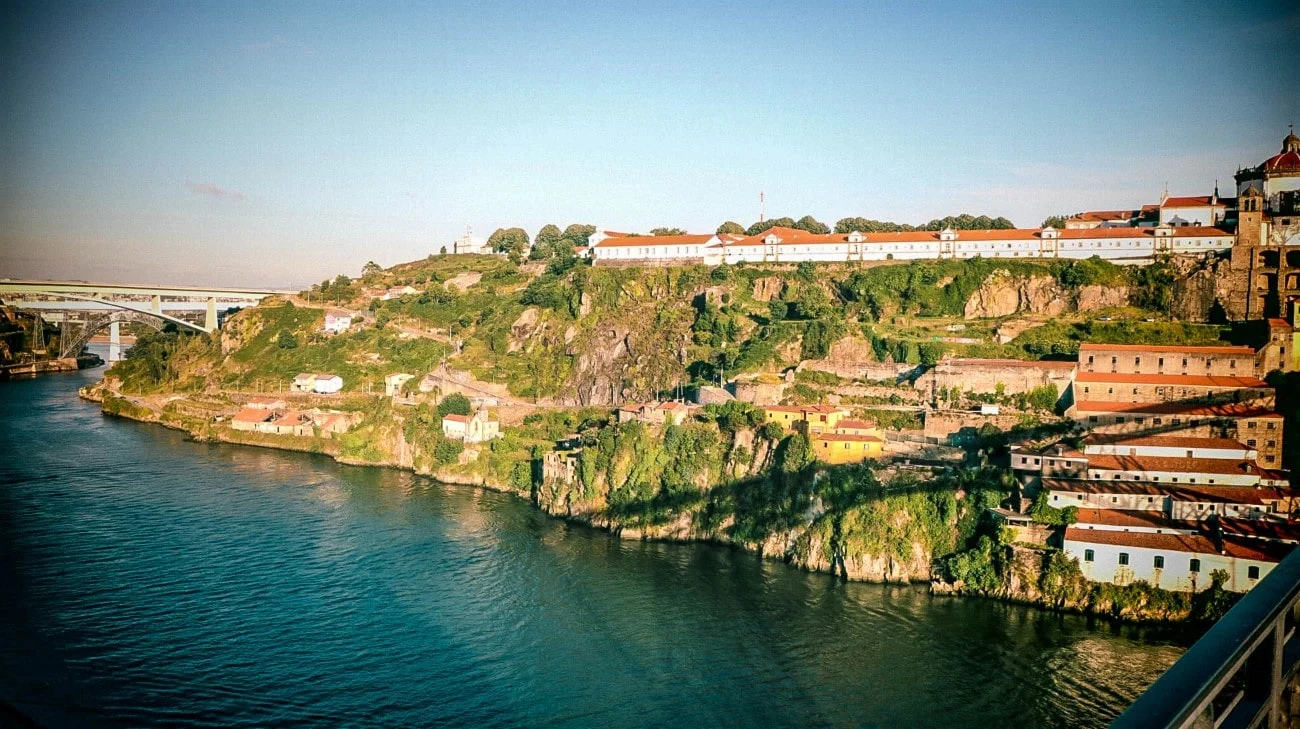
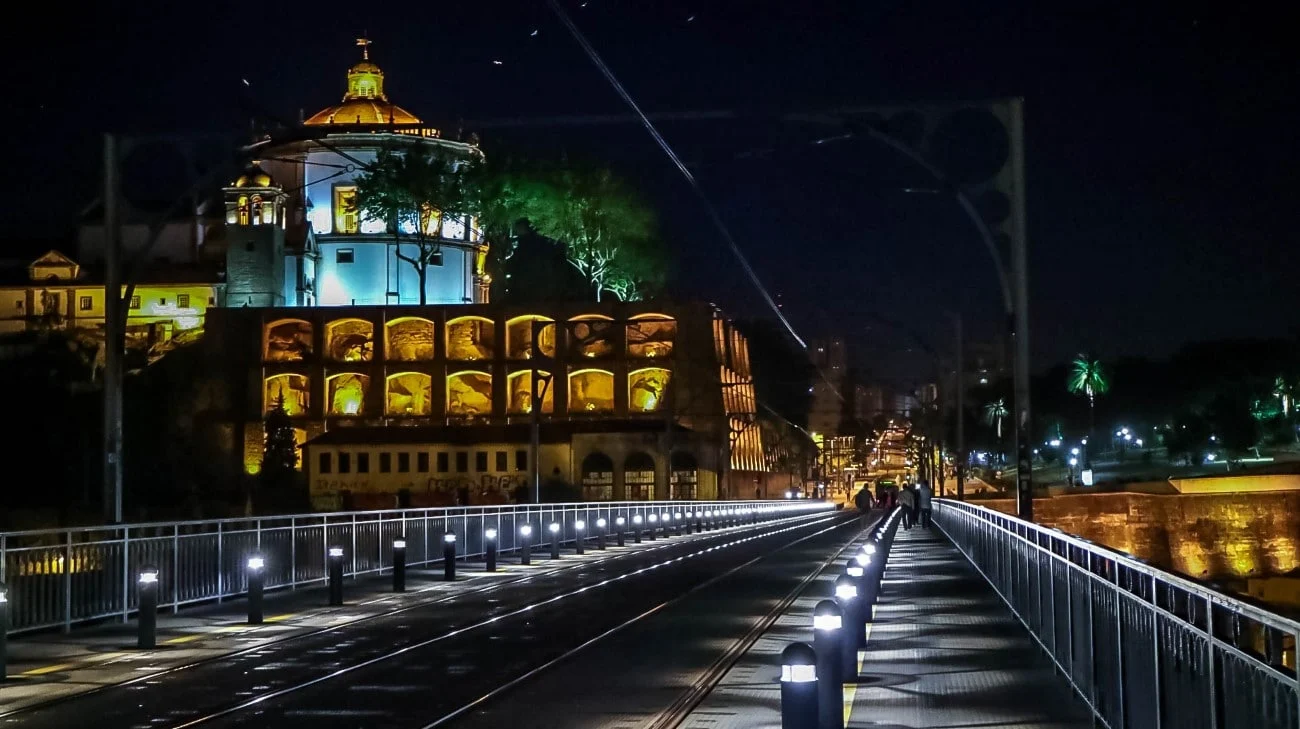
The Douro River is Porto’s defining feature. The Ribeira waterfront (the medieval neighborhood along the north bank) is where everyone ends up at sunset, watching the light hit the Port wine cellars across the water in Vila Nova de Gaia. The Ponte Luís I, designed in 1886 by Théophile Seyrig (who had previously worked with Gustave Eiffel on the nearby Maria Pia Bridge), spans 172 meters at a height of 45 meters. The upper deck carries the metro; the lower deck is for cars and pedestrians.

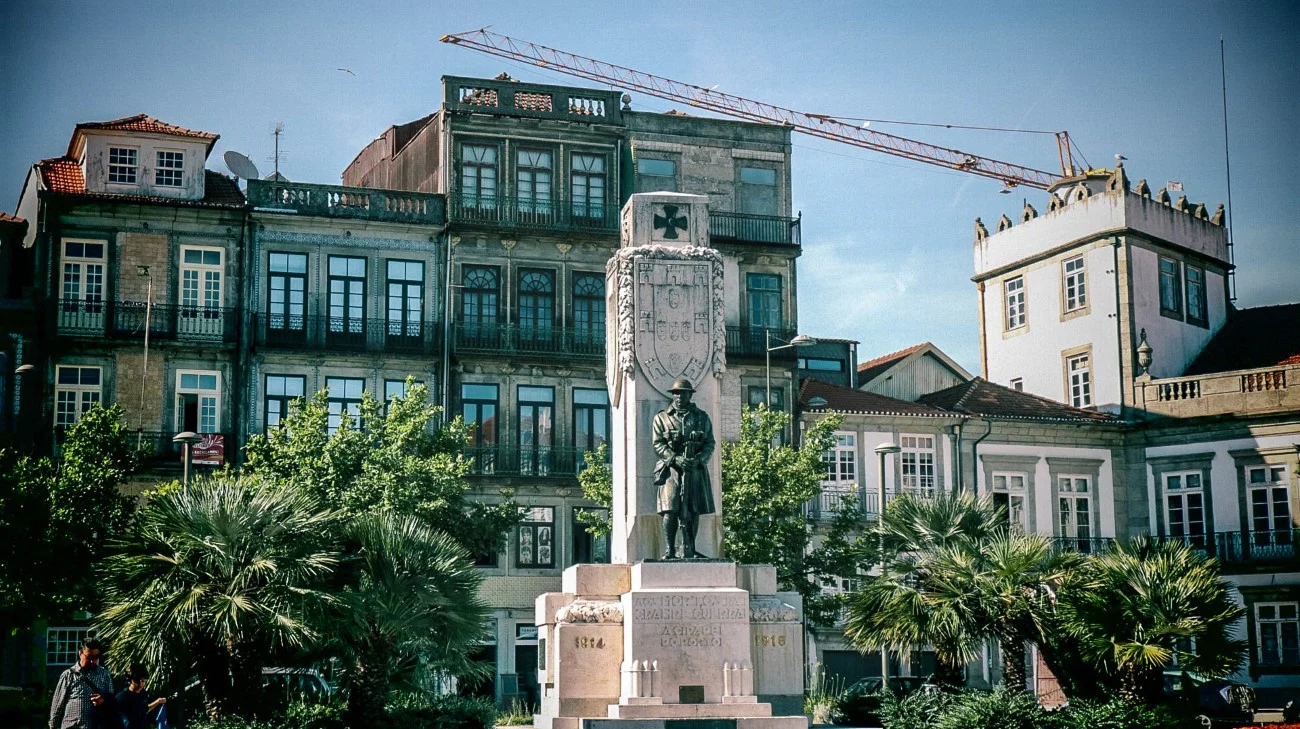
The statue of Vímara Peres near the Sé commemorates the nobleman who reconquered Porto from the Moors in 868 AD. That’s basically the founding event of Portugal as a political entity.
São Bento Station
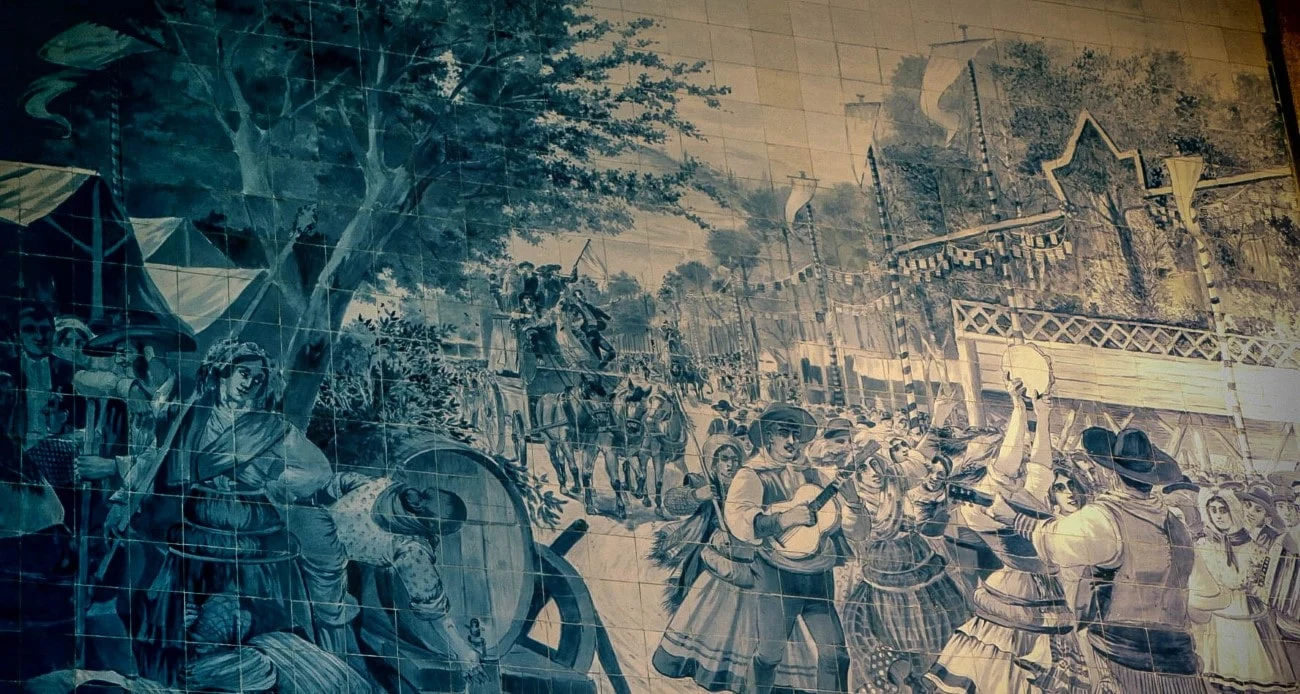
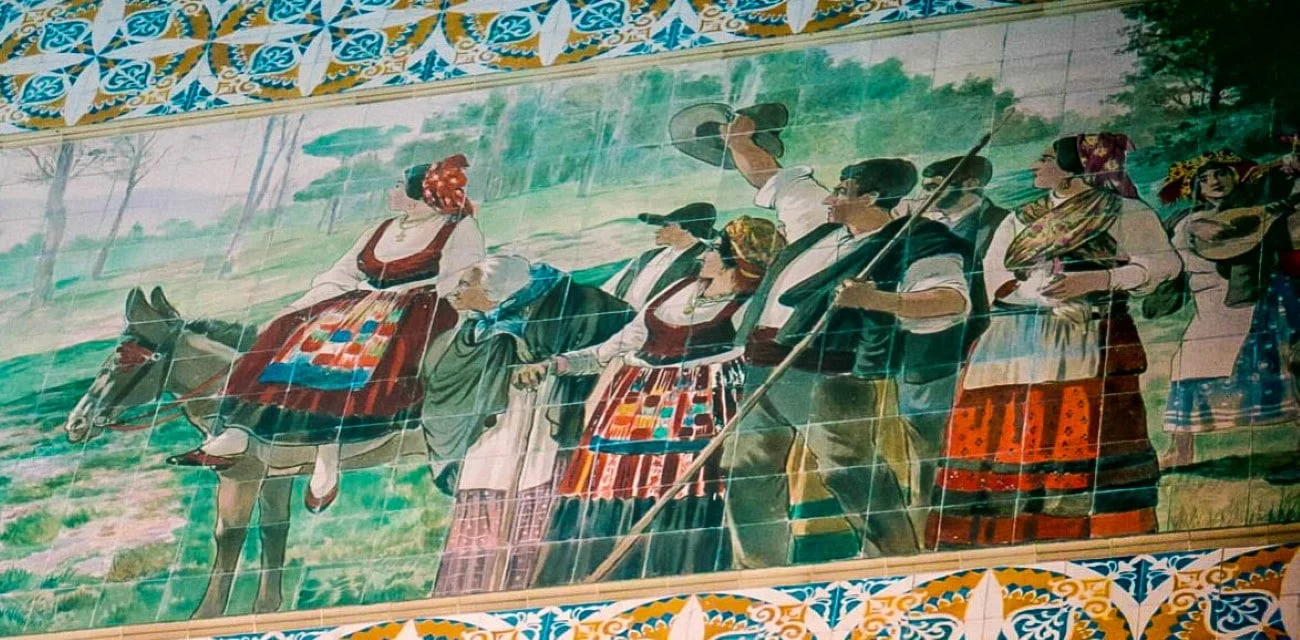
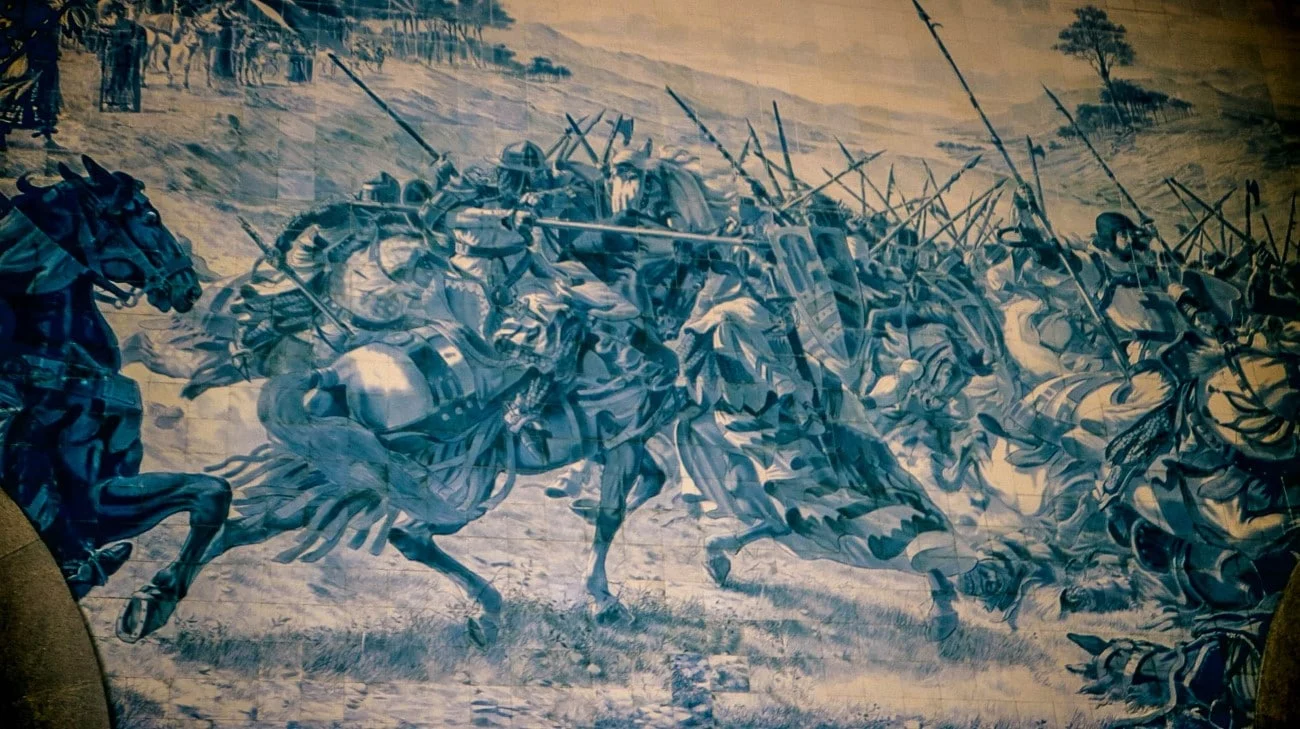
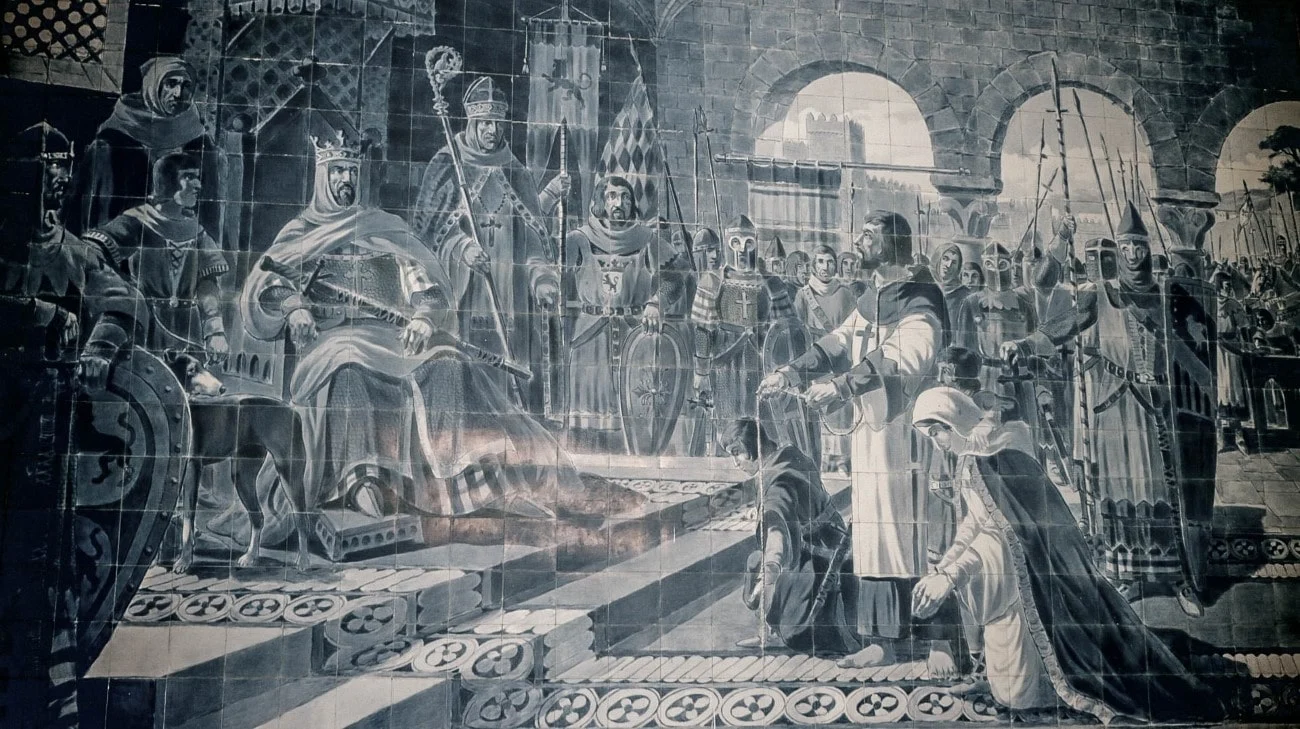
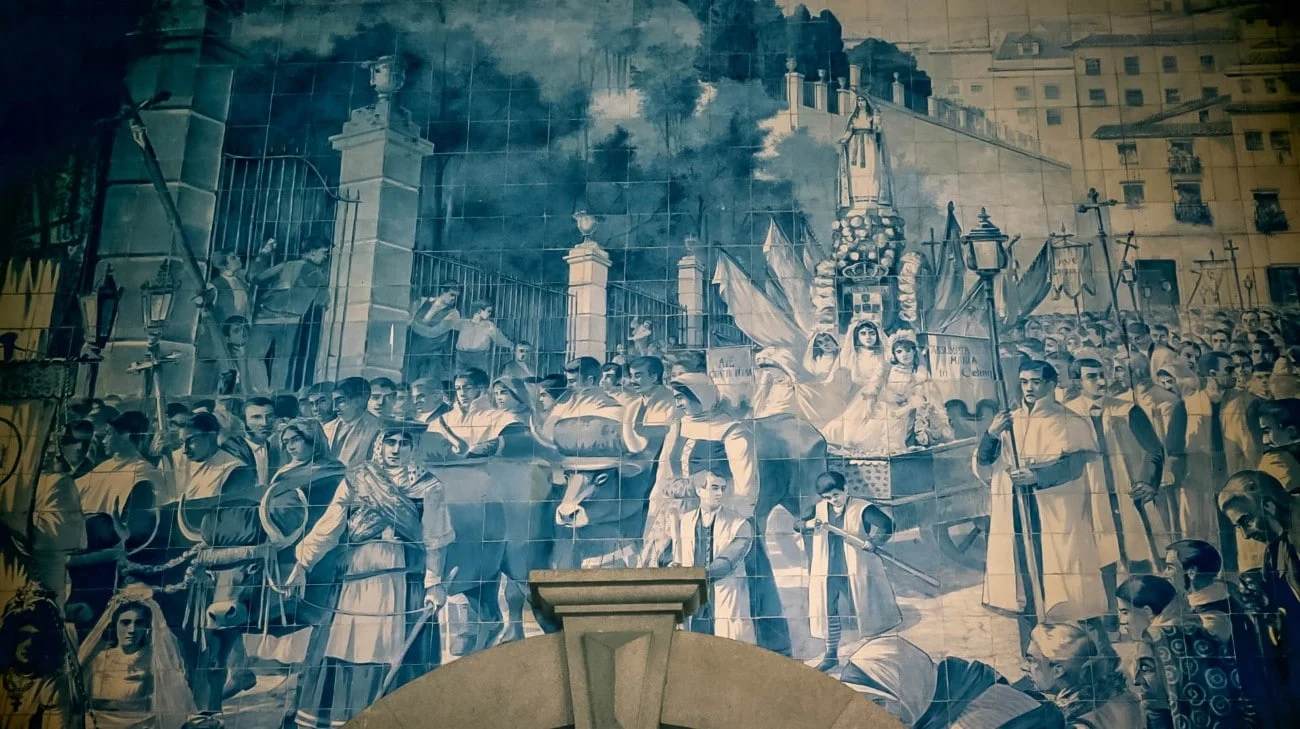
São Bento is a working train station that happens to contain one of the most impressive tile installations in the world. The entrance hall is covered in roughly 20,000 azulejo tiles painted by artist Jorge Colaço between 1905 and 1916. Each panel depicts a different scene from Portuguese history: medieval battles, royal courts, religious processions, and rural folk festivals. Most tourists take one photo and leave. Spend 15 minutes reading the scenes instead; it’s better than most museums.

Porto After Dark
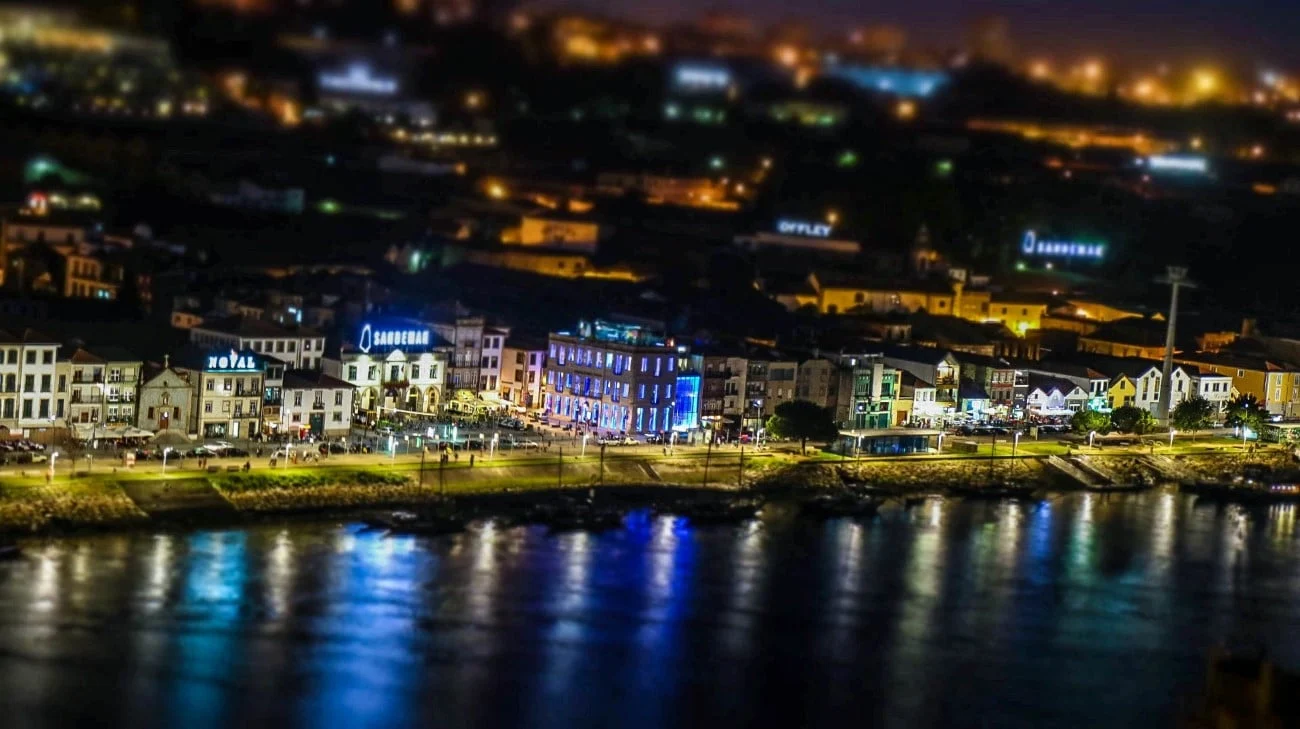
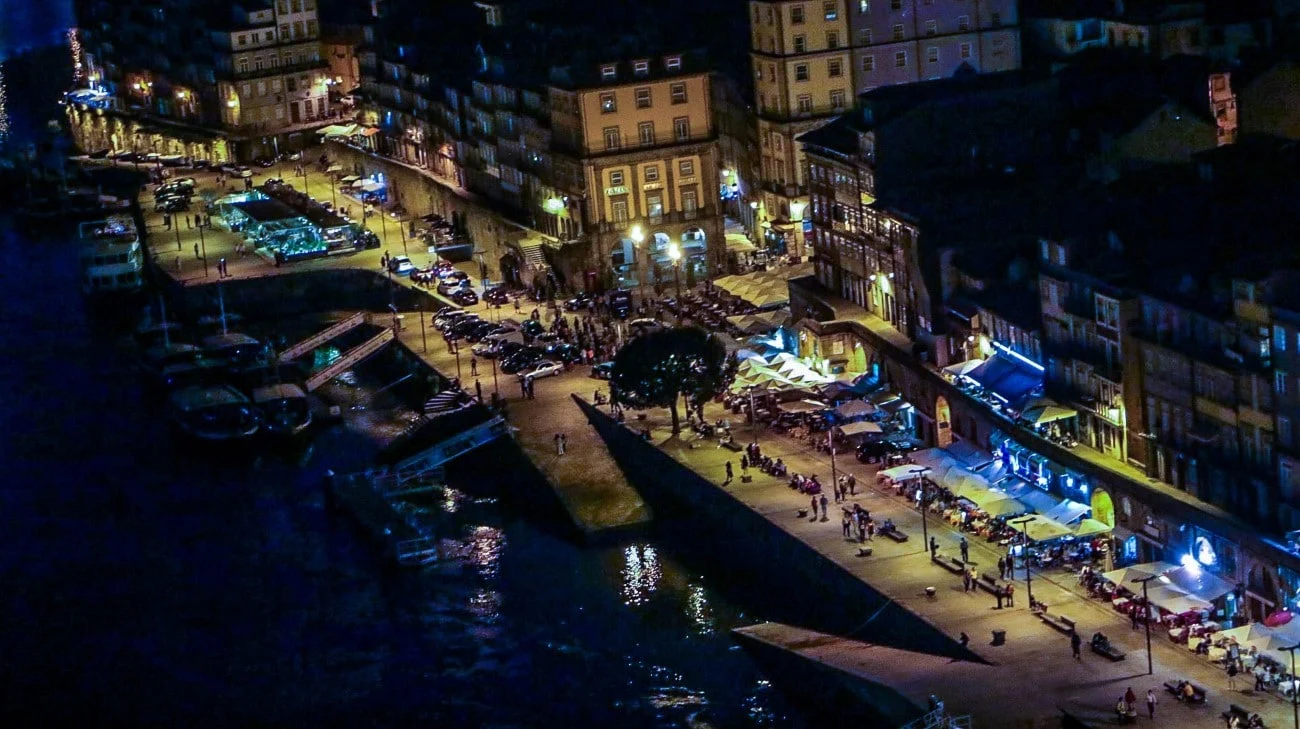
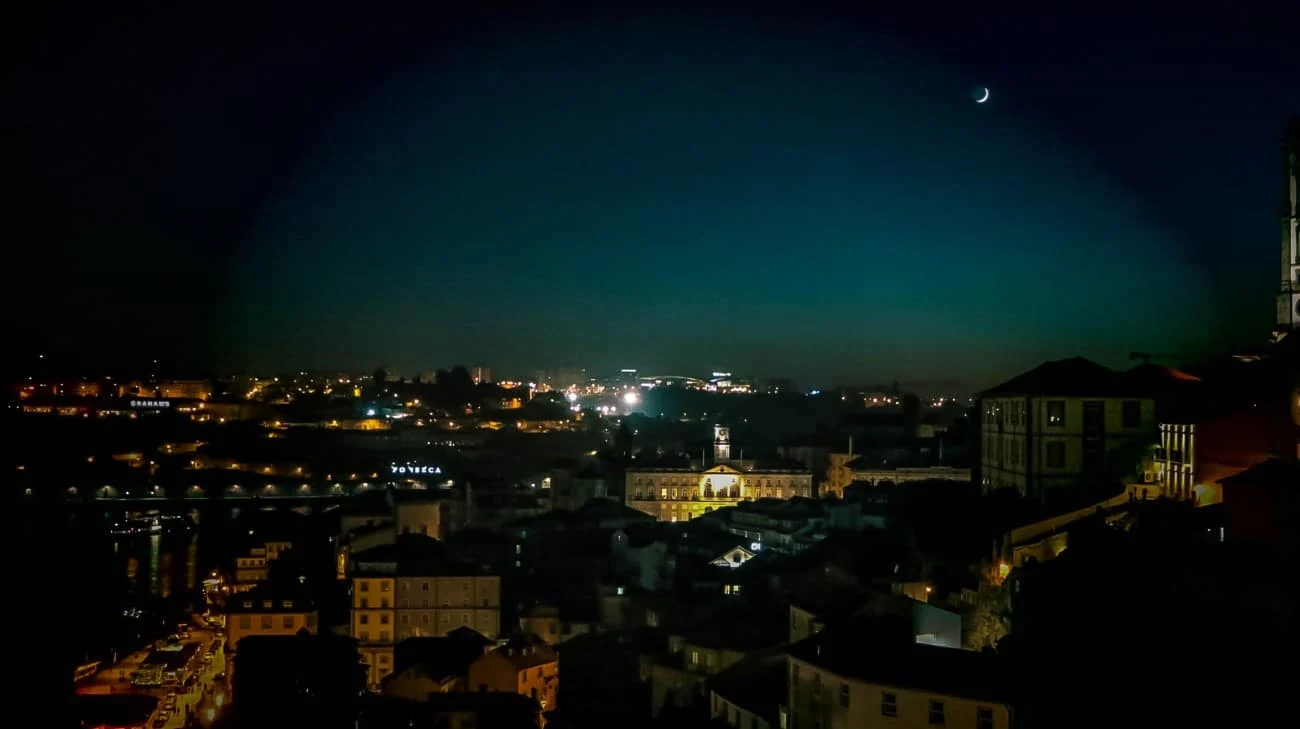
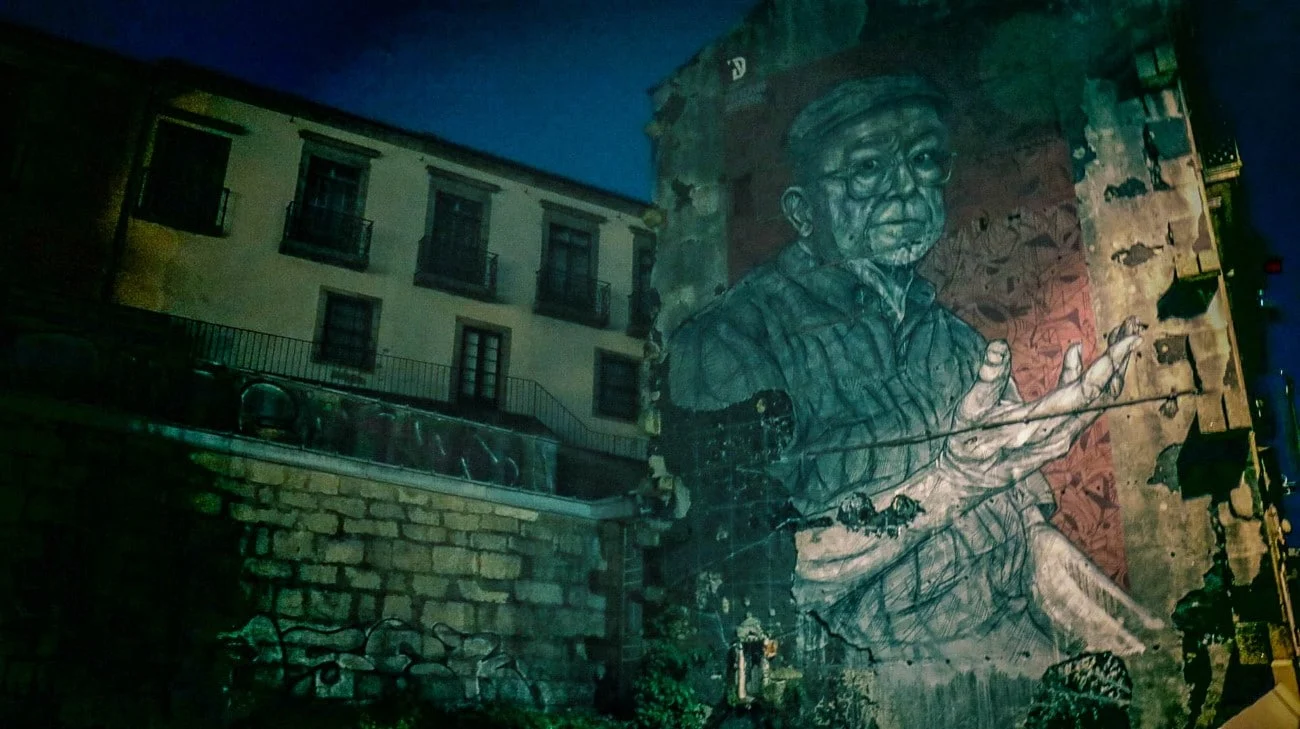
Porto transforms at night. The Port wine cellars across the river light up with neon signs, the Ribeira waterfront glows with restaurant lighting, and the Ponte Luís I becomes a lit-up frame for the whole scene. The Mosteiro da Serra do Pilar (a 16th-century circular monastery on the south bank) is especially striking when illuminated.
More Links
- Porto on Wikipedia
- Porto on Google Maps
- Photos from Lisbon, Portugal
- Photos from Salvador, Bahia, Brazil
- Photos from Porto Alegre, Brazil
Thanks for reading!
— Leo
